Blog for the international research project "Our Mythical Childhood… The Reception of Classical Antiquity in Children’s and Young Adults’ Culture in Response to Regional and Global Challenges", financed by the ERC Consolidator Grant led by Prof. Katarzyna Marciniak, Faculty of "Artes Liberales" of the University of Warsaw. Team members: Prof. Susan Deacy and Steve K. Simons, University of Roehampton; Prof. Elizabeth Hale and Dr Miriam Riverlea, University of New England; Prof. Lisa Maurice and Dr Ayelet Peer, Bar-Ilan University; Prof. Daniel A. Nkemleke, Dr Divine Che Neba and Dr Eleanor A. Dasi, University of Yaoundé I; Dr Elżbieta Olechowska, Dr Hanna Paulouskaya, Dr Sonya Nevin, Dott. Edoardo Pecchini, Marta Pszczolińska, Angelina Gerus and the Project Officers: Magdalena Andersen, Maria Makarewicz, and Olga Strycharczyk from the Faculty of "Artes Liberales" UW.
The book Teaching Ancient Greece, edited by Dr Sonya Nevin is available in Open Access.
Teaching Ancient Greece was edited by Sonya Nevin, Assistant Professor at the University of Warsaw’s Faculty of “Artes Liberaes”. Dr Nevin works with animator Steve K. Simons on the Panoply Vase Animation Project, making short educational animations from real ancient artefacts. Where an ancient amphora shows the hero Heracles holding a boar, the animation shows him capturing it; where another vase shows the rainbow goddess Iris, the animation shows her flying, leaving rainbows streaking behind her. Five vase animations and four short documentaries were created for the Our Mythical Childhood project. They are based on five Greek vases from the collection of the National Museum in Warsaw. Now the animations and documentaries have been joined by Teaching Ancient Greece which transforms watching into a multitude of activities.
Dr Sonya Nevin with her book and the famous Sappho vase (no. 142333) in the National Museum of Warsaw.
Teaching Ancient Greece contains activity sheets, including ones for learning the Greek alphabet, matching gods to their symbols, and for colouring in vases and creating new vase designs. These are joined by a set of ready-to-use lesson plans for teaching about the ancient world. Created by experienced educators all over the world, each lesson plan contains an introduction, a lesson including one of the animations, and an exciting activity to extend the learning experience. The target audience is secondary school pupils, but the lessons can all be adapted for older or younger groups.
Left, an ancient Athenian vase depicting the poet, Sappho, and (right) a screenshot from the animation created from that vase.
Igor Cardoso in Brazil created a lesson about the poet Sappho, with writing activities about facing difficult situations. Ancient music specialist Aliki Markantonatou in Greece brings us a lesson on composing lyric poetry. This complements her recording of a unique version of one of Sappho’s poems, based on the music that the ancient poem would have been sung to. Ron Hancock-Jones in the UK used the Sappho animation to develop a lesson on marriage and relationships in ancient Greece. Chester Mbangchia in Cameroon created a lesson that introduces the god of drama, wine, and transformation – Dionysus. Theatre facilitator Olivia Gillman in the UK used the Dionysus animation as the basis for a drama class. Barbara Strycharczyk of “Strumienie” High School in Poland established a project for pupils in multiple years of the school who each worked towards an exhibition about the hero Heracles. Jessica Otto, in Germany, used the Heracles animation to show how stories can be represented and decoded through visual clues. Sonya Nevin offers several lessons on learning to “read” the images in Greek pottery, including one on the Libation animation, which shows the gods Zeus and Athena performing a libation sacrifice. Michael Stierstorfer in Germany used the same animation in a lesson about sacrifice in ancient Greece: what was done, how, and what it all meant. As for Iris, Dean Nevin in Switzerland brings us a writing challenge – messages for the rainbow messenger goddess to carry. Terri Kay Brown in New Zealand (Aotearoa) created an introduction to anthropology – a chance to compare different cultures’ myths about the rainbow and to consider what is indicated by the differences and similarities between them.
Right, a vase made in Athens in around 450 BCE, depicting the rainbow goddess Iris (no. 142289), and left, a creative version of the vase made by Temperance, aged 7, Ireland, using an activity sheet from the book.
Other lessons explore the world of museumsthemselves. Museum educator Jennie Thornber in the UK offers a lesson for exploring museums in person or online and taking on the role of a curator. A PowerPoint on the Panoply site is one of several providing extra support for these activities. Louise Maguire in Ireland set an alternative curator’s challenge, asking learners to consider factors such as planning, budget, and accessibility in planning exhibitions.
The book includes a detailed guide to making stop motions.
The vase (no. EXC243) used in the Dionysus animation and the storyboard used to plan it. Storyboarding is a great way for students to revisit what they have learned in a creative way.
Perhaps all this talk of animation makes you feel like having a go at making your own stop-motion animation. Christina DePian, a museum educator based in Greece, provides a detailed and accessible guide to making stop motions. Accompanied by a set of animation resources, this guide makes it easy for anyone from 5 to 105 to try animation and create their own version of antiquity.
Elena Mignani (b. 2000) graduated in Classical Studies at the University of Bologna, she attended the first year of Master in Classics at Bologna and will move to Oxford University to conclude her studies. She took part in the public reading of Aristophanes, organized by Prof. Valentina Garulli, and in the translation workshop curated by Prof. Garulli with Davide Lamandini (Master student at the University of Bologna).
Once again this year, the customary Public Reading of the Classics was held in collaboration with the Festival Européen Latin Grec and coordinated by Valentina Garulli, Professor of Greek Language and Literature at the University of Bologna. On 15 March 2024, at the Enzo Biagi auditorium of Bologna’s municipal library, “Salaborsa”, students from the city’s two classical high schools, Marco Minghetti and Luigi Galvani, presented a reading of passages from the Ekklesiazuse, or Assemblywomenby Aristophanes, a text selected by the Festival for this edition. You can see a short reportage about the project here:
In Preparation for the Reading: The Introductory Lectures The public reading of the text, the final event of the project, was preceded as usual by four introductory lectures given by university professors in the previous weeks. The guests invited this year addressed the play from various perspectives, including that of the political utopia of women governing Athens (Prof. Vinicio Tammaro, University of Bologna), and how the new laws promoted by this revolutionary government curiously seem to be found in much the same form in the ideal city theorised by Plato in the Republic (Prof. Andrea Capra, University of Milan). This mundus inversus was analysed by Prof. Markus Janka (Ludwig-Maximilians Universität) in its grotesque component, seen as a field of experimentation and a deforming mirror of social antinomies, also looking at the more modern reception of the work. The lecture by Prof. Pietro Totaro (University of Bari), examined in detail some of the final iambic scenes of the play, such as the one in which two old women vie for the company of a young man, by focusing in particular on some textual problems and the comic ideology that can be derived from them.
Third introductory lecture, by Prof. Pietro Totaro. Phot. Mattia Belletti.
Around the Reading: How to Bring Aristophanes Back on Stage The choice of Assemblywomen was decidedly unexpected, but it was widely appreciated by both professors and students, who had the opportunity to experiment with new ways of translating and disseminating a classic text. Indeed, the first challenge began precisely when it came to choosing how to successfully translate an ancient work and, secondly, how to represent it in front of a contemporary audience. How can one gloss over the various unfamiliar proper names of politicians, strategoi, common citizens, that characterise the Aristophanic play and which, unfortunately, make it so inaccessible? How can one understand the historical context in which it was staged and at the same time equate a theatrical experience with a simple reading of the text?
Translation workshop. Phot. Mattia Belletti.
To achieve this goal, part of the project was dedicated to translation workshops run by master graduate students, in which high school students were able to test their translation skills, devising a translation that was not purely made for school but that was suitable for a public reading. The reading was also accompanied by photographic and musical aids that gave a clear picture of the scene being read and the actors involved. The participation of the students was essential also in these occasions: they contributed their musical and theatrical skills to the background music, to the two introductory and conclusive videos and some pictures, used during the reading itself. “A fruitful interweaving”, commented Domenico Alfano, an undergraduate student at the University of Bologna, which “significantly enhanced the visual experience of the spectator”.
Musical workshop. Phot. Mattia Belletti.
The Scenic and Visual Framework “They tell me to retire, that I am to be scrapped […]”. This is how the narrative framework chosen to accompany the comic text begins. Here, an old Aristophanes, played by Francesco Faccioli, and the Muse of the tragedy Thalìa, Noemi Coppola, discuss the possible plot of a play that was written after the decline of Athenian power in 392/1 BCE, Assemblywomen. The narrative frame perfectly introduces the play to the audience by setting it in its historical context. It also serves as a running thread that coherently connects the various textual sections chosen for reading. “A real added value to the reading”, commented Professor Sonia Stelluto of Luigi Galvani classical high school, “that helped to make the reading clearer and more accessible to a wider audience”.
Scenic Framework: Aristophanes and Thalia discussing about the plot of the play. Phot. Mattia Belletti.
And, while Aristophanes and Thalia imagine the plot of the future play in front of the audience, several Praxagora and Blepiros (the protagonists of the play) take turns on stage while being shown pictures that reflect the salient scenes read by the students.
Images of the reading: scene of Praxagora and Belpiros arguing. Phot. Mattia Belletti.
They are snapshots of a performance that is actually never performed but only imagined: in the introductory video (made by high school and university students coordinated by Mattia Belletti), under the notes of the can-can, the actors hurry to rehearse for the last time before the debut, while in the conclusive video the performance is already over, the audience applauds the actors and the musicians slowly prepare to leave the theatre. All we see on stage, however, are nothing more than the ideas of the playwright and the Muse taking shape and voice in the verses read by the students.
The Students’ Point of View: What Did It Mean for You to Participate? At the end of the reading, the high school and university students who participated or only attended the reading were asked for their opinion on the project. For the high school students, the value of a project such as the public reading lies very much in the impact it can have on their approach to the classics: “I believe that participation in projects of this kind is fundamental in order not to reduce classicism to a static and distant, and merely scholastic, dimension. We students, as readers, were given the opportunity to revitalise the words of Aristophanes and in doing so we understood the choral nature of the theatrical process, as well as experiencing the emotions” (Letizia Cela, student at Liceo Classico Marco Minghetti, translator and reader).
Equally significant was this initiative to a more specialised audience such as university students. How do you consider this experience from the point of view of a university student? “For a university student, the experience is instructive and formative for at least two further reasons: it brings the conscience of the ancients back to the centre of public attention and guides us, thanks to the young and attentive eye of the students at Bologna’s classical high schools, to a new and intriguing way of interpreting and rereading Aristophanes” (Domenico Alfano, undergraduate student of Classics at the University of Bologna).
What do you think about the participation of high school students in a university project? “I think that the involvement of high school students is praiseworthy: the opportunity to engage in translation work, to personally confront the works, also in terms of their updating, are all elements that I think can really make us reflect on the value of the classics even in today’s world” (Beatrice Bonazza, graduate student in Classics at the University of Bologna).
Hopes and Resolutions for the Upcoming Year This year’s reading, which was able to involve and entertain such a diverse audience, including high school and university teachers, students and a general audience, was therefore a great success that allowed, in the words of Domenico Alfano (undergraduate student), to “rediscover the beauty of going to the theatre: to purify oneself and reshape one’s spirit according to what one sees on stage”. Among the many goals for the next edition, which will have Seneca’s Medea as its text, there is certainly that of making the initiative accessible to an ever-wider audience so that, in the words of Beatrice Bonazza (master’s student), “the words of the classics and the reflections we can still draw from them reach more and more people”.
Link for the Reading:
Post by Elena Mignani, placed by Olga Strycharczyk
Katerina Volioti, Lecturer in History at the University of Roehampton, has many years of experience in designing and delivering modules that blend in perspectives from Art History, the Social Sciences, and Digital Humanities. One of these modules is Art & Life in the Ancient World, which has been particularly popular with international students in Spring Term 2024. Over to Katerina: “Here, we publish coursework for this module by Lauren Husz, our Study Abroad student from the USA. Lauren’s work is a nuanced reflective report on ancient sculptures: How did statues change from the Archaic to the Classical period? Discuss with reference to at least one Archaic statue (male or female) and one Classical statue (male or female). The latter could be a Classical statue that survives as a Roman copy. The report signals that Classical Art is for all in the modern world and that students without a background in Classics can learn quickly, develop deep insights, and submit coursework of a high academic standard. It is with great pleasure as module tutor that I introduce Lauren below.”
My name is Lauren Husz and I am currently studying abroad at the University of Roehampton in Southwest London. When not abroad, I am completing a dual major in Art and Education at Central College in Pella, Iowa, USA. When I complete my studies, I aspire to become a K-12 art educator. In my spare time, I love being with family and friends and coaching my high school’s color guard team. As an art student, I was initially intrigued by the course Art and Life in the Ancient World at Roehampton, as I was used to interacting with great works of art. However, after beginning the course, I quickly learned just how different studying Classics can be. In this course, led by Dr Katerina Volioti, we did not just look at works of art, but rather we connected the objects with their historical contexts. Diving into the lives of ancient people allowed me to learn just how adaptable Classics and Ancient History can be to us all today. While a lack of knowledge in this area of study may seem daunting to any university student, the learning process allowed me to see that Classical Art is for everyone, not just published Classicists. The lives of ancient individuals are far more relatable to our lives today than one might imagine – making this subject of study engaging to students like me.
We are indebted to Professor Katarzyna Marciniak, Faculty of “Artes Liberales”, University of Warsaw, for creating such a wonderful opportunity for Roehampton students to share their insights with wider audiences, following on from Prof. Marciniak’s talk about the new ERC Modern Argonauts project during Roehampton Futures week in Spring 2024.
Artistic styles evolve and shift from one period to the next. A specific shift in style is observable in stone bodies from the Archaic period (ca. 650–480 BC) and the Classical period (ca. 480–323 BC). Although such shifts in style have occurred numerous times throughout history, I will argue changes in any artistic style rely on the connected relationship between past and present periods. This concept is supported by several pieces of scholarship, which specifically suggest the Classical period is influenced by its predecessor, the Archaic period. To observe this change in stone bodies, what better example than the sculptures on the West and East pediments of the Temple of Aphaia? Using the Archaic example of a warrior on the West pediment and the Classical example of a warrior on the East pediment, I will highlight their contrasting styles and focus on the continuity that exists between both periods.
The historical context of the Temple of Aphaia helps us contextualize its pedimental sculptures. Built on the island of Aegina in ca. 500 BC, the Temple of Aphaia acted as a countryside shrine to the goddess Athena. In this case, Aphaia being an adjective for Athena, the word ‘aphaia’ means unseen. Although typically associated with fertility and agriculture, ceramics and other offerings such as “weapons, shields, and male figures” (Fendt 2019, 196) found in the temple suggest that visitors attended for the fertility of their community rather than for an individual. While there is an extensive history of people connected to this temple, the scope of this report does not allow for an in-depth analysis of such a history. Structurally, the temple represents the Doric order of Greek architecture. Its beautiful columns are topped with two triangular pediments on the West and East. Lavishly decorated and infused with sculptural battle scenes of the Trojan Wars, the pediments are the focus of this report.
Fig. 1 Warrior from West Pediment of the Temple of Aphaia, Aegina island, ca. 490 BC, Glyptothek, Munich [source].
Displaying an Archaic style of sculpture, the West pediment was completed ca. 490 BC. The first sculpture that I will be focusing on is the wounded warrior located in this pediment’s right corner (Fig. 1). This warrior has fallen back after being struck by a spear or arrow. Laying on his left hip and elbow, he is awkwardly propped up and presented forward to the audience. His right leg bends over the front of his body while he uses his right arm to pull out the weapon that is killing him. The warrior wears an animated smile typically referred to as an ‘Archaic smile’. In my opinion, this facial expression is an unnerving characteristic of the sculpture and prevents viewers such as myself from emotionally connecting with it. Realistically, a warrior who is dying on the battlefield would not be smiling. Although I believe the artist wants us to perceive the figure as dying in battle, his awkward posture and facial expression detract from the scene’s believability.
This proportional yet unrealistic body is similar to other sculptures of the Archaic period. A marble statue of a kouros youth (ca. 590–580 BC, Fig. 3) also depicts the ideal proportioned human body but lacks a realistic or natural quality. Consisting of a rigid stance with a singular leg pressed forward, “the pose provided a clear, simple formula that was used by Greek sculptors throughout the sixth century BC” (quote after the description at The Metropolitan Museum of Art, see below, Bibliography). Like the West pediment warrior, both sculptures focused on revealing the body rather than a natural human expression. Although rigid and unrealistic, the kouros body and the West pediment warrior are clear examples of the Archaic period.
Fig. 2 Warrior from East Pediment of the Temple of Aphaia, ca. 480 BC, Aegina island, Glyptothek, Munich [source].
In contrast with the Archaic period, the East pediment displays a Classical style of sculpture and was completed ca. 480 BC. This pediment also includes a reclined warrior (Fig. 2); however, its style makes the narrative more believable. While attempting to push himself off the ground, the warrior maintains a contrapposto pose. Asymmetrical poses, such as that of the Kritios boy (ca. 480) from the Athenian Acropolis (Fig. 4), mark the transition to the Classical period. Because such sculptures utilize asymmetrical body alignment, the figures seem to move more naturally. Returning to the East pediment warrior, the figure attempts to push himself off the ground, twisting his shoulders forward and extending his arm across his torso. He holds a sword in his right hand while his left-hand struggles to remain attached to his shield. Despite having the slightest hint of a smile like Archaic traditions, the warrior’s body language makes it clear that he is in pain. The warrior looks down at the ground below, making eye contact with viewers and connecting with them emotionally. Unlike sculptures on the West pediment that tipped forward to reveal the full body, this warrior holds a realistic pose and was created to focus on the human experience. His muscles flow one into the other. In my view, this develops a real sense of skin and feeling, allowing external viewers to connect with his pain.
Fig. 3 Marble Statue of a kouros (youth), ca. 590–580 BCE, The Met, New York [source]. Fig. 4 Kritios Boy, ca. 480 BCE, Athenian Acropolis [source].
To properly analyze both pediments and their respective styles, it is necessary to highlight their similarities and differences. Both depict men wounded in battle, interact with other sculptures around them, and are in reclined positions on the outer corners of the pediment triangles. However, this is where a majority of the similarities stop. Although the pediments are thought to have been created within only ten years of one another (scholars suggest a ten year difference between the pediments, but we cannot date them with certainty; the sculptures may also be works from different groups of sculptors), several style changes separate the Archaic West and Classical East pediments. For example, an uncomfortable warrior pose was changed to a more natural and realistic pose. Deep divisions between muscles changed to smooth and complex skin. The tilted presentation of human anatomy changed to a focus on the human experience. Scholars point out such differences, focusing on the Classical period’s representation of human emotion.
Scholars suggest the Classical period produced “figures who we can believe are part of a story. It’s a story that we can begin to feel for them; we can sympathize with them” (Khan Academy, 10:52). While I agree with scholars that emotional complexity deepened in the Classical period, I would argue that such statements fail to acknowledge the other areas of continuity that existed between the Archaic and Classical periods. As previously mentioned, the evolution of art brings about shifts in style over time. While we mark these shifts in time with various period names, it would be naive to think such changes simply happen overnight, or that new periods are always entirely different from their predecessors. In the case of the Archaic period, I do not find it plausible that a style so highly regarded by society for so long could have come to an end so suddenly (see also Morgan 1969, 205: “No style so deeply rooted for so long in the eyes of all Greeks everywhere could have come to an instant and universal end”). Instead, I suggest the period’s ideas were influential to Classical style and were simply expressed in different ways.
In his most influential book, which analyzes the emergence of the Classical style, The Emergence of the Classical Style in Greek Sculpture (2010), Richard Neer focuses on this transition of periods and continuity between ideas. Guy Hedreen’s review of Neer’s book notes that the “Classical style of Greek sculpture does not represent a fundamental break with the values embodied in Archaic sculpture. The development of the Classical style was rather an intensification of the Archaic style in terms of its effects” (Hedreen, 2010: par. 2). In other words, the Classical style and all its physical and emotional changes were not brand-new. Rather, these changes were complex renditions of former Archaic principles. Without the Archaic period, we would not have the Classical period. Therefore, Neer’s conclusions emphasize the value of observing the differences and similarities in style.
Neer’s seminal book also highlights the value of ‘wonder’ across both Archaic and Classical sculpture. Hedreen is right to suggest that if a sculpture possesses wonder, it should seem simultaneously alien and familiar, far and close, inert and alive, absent and present (Hedreen, 2010: par. 2). When looking at the pedimental warriors in the Temple of Aphaia, ‘wonder’ may not seem obvious. Formerly painted in color, the white marble sculptures do not sparkle or catch the viewer’s eye. Despite this, ‘wonder’ can be perceived in the ‘alive’ qualities of the bodies. Their strange poses become understandable. However, the warriors seem bland compared to bodies from the Parthenon (ca. 447 BC). Parthenon sculptures include a more heightened sense of naturalism and wondrous effects. Displaying the Classical style at its best, Neer’s ‘wonder’ may be more easily identified in these later bodies. To reflect on this, I would argue that although major style changes are not immediately obvious between the two pediment warriors, changes in wondrous effects can be observed between the pediments and the art of the Parthenon.
In conclusion, I believe the Archaic and Classical periods maintain a connected and influential relationship – despite their many differences. If viewed in the context of sculptural stone bodies, it is clear that a continuity of ideas exists between both periods. The Temple of Aphaia specifically provides a unique opportunity to compare two similar sculptural scenes. Reportedly created only ten years apart, the pediments capture a moment of transition between Archaic and Classical sculptural styles. A depiction of two warriors dying in battle, the Archaic body uses proper proportions to present the human anatomy, whereas the Classical body uses complex musculature and expressions to present the human experience. Supported by scholars such as Richard Neer, it is clear that the Archaic and Classical periods depend on one another. Amidst all of these conclusions, there is something to be appreciated in both styles of sculptural bodies. Their wondrous effects allow present-day viewers a glimpse into the past.
Bibliography
Fendt, Astrid, “The Sculptures of the Temple of Aphaia on Aegina in their Contemporary Context”, in Olga Palagia and Elisavet P. Sioumpara, eds., From Hippias to Kallias: Greek Art in Athens and Beyond 527–449 BC, Athens: Acropolis Museum Editions, 2019, 193–204.
Hedreen, Guy, “Richard Neer, The Emergence of the Classical Style in Greek Sculpture”, BrynMawr Classical Review, Chicago–London: University of Chicago Press, 2010, https://bmcr.brynmawr.edu/2011/2011.07.42 (accessed July 5, 2024).
Introduction Katerina Volioti, Lecturer in History at the University of Roehampton, has many years of experience in designing and delivering modules that blend in perspectives from Art History, the Social Sciences, and Digital Humanities. One of these modules, Art & Life in the Ancient World, has been particularly popular with international students in Spring Term 2024.
For their 2nd assignment, students had to complete a demanding task. They had to give a compact 7-minute presentation that addressed two complex questions about ancient and modern entanglements with objects in museum collections. This assessment was designed with a view to bypass the use of generative Artificial Intelligence. Students had to think outside the box to: – envisage contexts of viewing and using artworks, – evaluate museum online entries, – reflect on pros and cons of Digital Humanities. The assignment in full was as follows: Select either an Etruscan or a Roman object from the collections of either the British Museum in London or the Metropolitan Museum of Art in New York. Address the following questions: 1) How did people interact bodily with the object in ancient times? 2) How do people interact digitally with the object today?
It is with great pleasure to publish below work of a high academic standard by our Study Abroad student Rhianna Wallace. As you can see from Rhianna’s presentation, now adapted for the purpose of a blog, Rhianna navigates magnificently between the general and the specific, engages extremely well with relevant scholarship, assumes a comparative perspective in discussing collections, voices confidently her own views and observations from field trips, and brings together the two parts of the question. Over to Rhianna.
Rhianna Wallace I am in my second year at Macquarie University, studying for a Bachelor’s in Ancient History. I have just completed a semester of exchange at the University of Roehampton, where I undertook Art and Life in the Ancient World by Dr Katerina Volioti. I have taken this opportunity to study overseas for the semester to immerse myself in a new place, travel Europe, and explore its many museums and archaeological sites so far from Australia! My following presentation originated as an assessment task I completed in the previously mentioned class and addresses one of the underlying themes. I was motivated to choose the topic of wall paintings for this task because I wanted to demonstrate the transparency of provenance and context museums such as the British Museum provide to their audience.
Acknowledgements Rhianna Wallace: Professor Marciniak’s project looks incredible, and I am extremely grateful for including my work!
Katerina Volioti: We are, as always, most grateful to Professor Katarzyna Marciniak and the wonderful OMC Team for this fantastic opportunity to publish undergraduate student work. Professor Marciniak has repeatedly offered her time generously to talk and inspire our students at Roehampton about the reception and relevance of Classical Antiquity in the modern world. The idea of this blog post originated during Professor Marciniak’s talk on the Modern Argonauts ERC Project during Roehampton Employability Week in February 2024.
I will discuss the modern and ancient entanglements of the Roman wall painting, which portrays Ulysses resisting the song of the Sirens. The images used in the presentation are listed in the bibliographical section.
The painting is a mythological depiction of a popular Roman epic. Ian Hodder (Entangled: An Archaeology of the Relationships between Humans and Things, 2012) defines entanglement as a bodily engagement, not merely visual. Therefore, the wall painting’s pictorial narrative aids in encouraging interaction with its ancient audience.
Ancient Entanglements This painting was once part of a wall in a Roman villa in Pompeii. It would have been displayed where it could entertain guests and the inhabitants of the villa. Moreover, due to its underlying moralistic allegory, it was also a tool of education and thus provoked interest and philosophical thought among viewers. For its ancient audience, the mythological scene would have conjured a sensory experience to transport them to a familiar, illusory world. They would have recognised representations of mysticism and felt the intended ambiguous sense of fear through the blurring depictions of mortal and immortal beings. They would have appreciated the animation of the scenery and the abstract atmosphere, which contributed to both the physical and the intangible entanglement.
Fabled characters such as Ulysses and his quests were common imagery exhibited in the domestic sphere, as they projected a narrative of Roman societal standards, as argued by Zahra Newby (Greek Myths in Roman Art and Culture: Imagery, Values and Identity in Italy, 50 BC–AD 250, 2016). Not only did an art-filled house exude wealth and status, but it also added to the pretence that the owners were highly educated and knowledgeable about Greek myth. It contributed to a program of otium. This Roman concept of leisure used luxury villas, emblematic of the elite lifestyle, to create a materialistic reflection of the inhabitants’ identities.
These two wall paintings are companions. From this depiction of Icarus and Dedalus, we can draw similarities, as both are representative of fictitious episodes. Due to the artist’s technique, we categorise these paintings as belonging to the third style of Roman wall painting, as defined by the German historian and archaeologist August Mau (1840–1909). Attributes of this style span whole walls within a house, incorporating stylised architecture to frame the mythological scenes housed within. We can also draw similarities in their functional and symbolic attributes that come together to communicate a message of morality in a warning against the dangers of temptation. Although they display differing scenes, the two paintings are both of mythological calibre and would have been extremely recognisable to Roman society and, hence, interacted with in everyday life.
Modern Entanglements The wall painting is now owned by the British Museum. In its modern context, the object is not currently on display (see below, A Note from Warsaw); therefore, this online collection’s entry provides the only available information. It offers a clinical spotlight on the object; however, the page is not user-friendly and is cluttered. The harsh, contrasting stylistic choices interfere with the object’s limited view of the three low-quality images provided. It does not bridge the past to the present or provide the contextual background modern visitors require to guide their understanding.
The principal loss of the online entry is the sensory aspect that accompanies viewing the wall painting in both its ancient context and real life. Likewise, displays in a museum, where objects are behind glass, and you are not allowed to touch them (for the safety of the artefacts, of course), such as these other Pompeiian wall paintings, provide an artificially created context of overbright lights and fragmentary surrounding collections. As purely stand-alone art objects, they are stripped of their status as functioning objects of an ancient society. It disrupts the sensory connection and eliminates the ancient bodily interactions, the physical touch and the intangible immersion of sounds, sights, smells, and feelings that ancient connections would have endorsed. Evoking emotional connection through this sensory imagery fosters entanglement between the object and the observer, which is lost in current Roman Galleries displays.
Lastly, I would like to touch on the unfortunate lack of innovation in modern entanglement that the British Museum is partaking in for this particular object. The British Museum markets itself as “the first national public museum of the world”. As technological advances and the digital humanities discipline grow, the Museum is obligated to devote resources to this sphere, or it risks failing to contend with other greater contributors, like the Metropolitan Museum of Art, New York, and losing touch with its audience.
At the Fitzwilliam Museum at the University of Cambridge, the Lansdowne relief is a stone carving of the same story of Ulysses and the Sirens. The Fitzwilliam addresses the limitations of a stone relief to be lacking in entertainment due to its absence of colour. Instead, they take the opportunity to find value in encouraging the object’s digital humanities output. They do so by utilising the relief in an educational YouTube video, which not only gives the object a digital footprint but also broadens its exposure and visibility.
Currently, the British Museum has a broader digital humanities initiative for objects of the Roman Empire. The new engagement opportunity successfully encourages families to find objects, interact with them, and discuss with others. This initiative is a part of the Museum’s Mission, which fosters reflection, dialogue, and creativity, and ultimately allows for open interpretations.
Conclusion In conclusion, the entanglements of this wall painting, both ancient and modern, illuminate the dynamic interactions between humans and objects that transcend visual consumption. In its ancient context, the painting was a tool emblematic of Roman intellectual entertainment and was employed within a program of literary objects to represent status and wealth. Comparably, as a collection item of the British Museum, the fresco is treated as artwork that is primarily appreciated through vision. Ultimately, the juxtaposition of both ancient and modern entanglements highlights the significant interactions between object and audience.
Bibliography All links were active on 6 July 2024
Archer, William C., “The Paintings in the Alae of the Casa Dei Vettii and a Definition of the Fourth Pompeian Style”, American Journal of Archaeology 94.1 (1990), 95–123, https://doi.org/10.2307/505527.
Bruder, Kurt A., and Ozum Ucok, “Interactive Art Interpretation: How Viewers Make Sense of Paintings in Conversation”, Symbolic Interaction 23.4 (2000), 337–358, https://doi.org/10.1525/si.2000.23.4.337.
Cameron, Alan, Greek Mythography in the Roman World, Oxford: Oxford University Press, 2004.
Federici, Angelica, and Joseph Chandler Williams, Digital Humanities for Academic and Curatorial Practice”, Studies in Digital Heritage 3.2 (2020), 117–21, https://doi.org/10.14434/sdh.v3i2.27718.
Newby, Zahra, Greek Myths in Roman Art and Culture: Imagery, Values and Identity in Italy, 50 BC–AD 250, Cambridge, United Kingdom: Cambridge University Press, 2016, https://doi.org/10.1017/CBO9781139680387.
Olivito, Riccardo, M. Zarmakoupi, Designing for Luxury on the Bay of Naples: Villas and Landscapes (c. 100 BCE–79 CE), “Oxford Studies in Ancient Culture and Representation”, Oxford: Oxford University Press, 2014.
Szubielska, Magdalena, Kamil Imbir, and Anna Szymańska, “The Influence of the Physical Context and Knowledge of Artworks on the Aesthetic Experience of Interactive Installations”, Current Psychology, June 15, 2019, https://doi.org/10.1007/s12144-019-00322-w.
Theobald, William F., Global Tourism. Abingdon, Oxon–New York, NY: Routledge, 2016.
Post by Rhianna Wallace, placed by Olga Strycharczyk
A Note from Warsaw (by Professor Katarzyna Marciniak) Interestingly enough, when Rhianna Wallace, a student from the Macquarie University in Australia, was working on this paper for the module by Dr Katerina Volioti at the University of Roehampton in London, the fresco Ulysses Resists the Song of the Sirens was at display at the excellent exhibition curated by Dr Mikołaj Baliszewski, The Awakened. The Ruins of Antiquity and the Birth of the Italian Renaissance in the Royal Castle in Warsaw.
Photos by Katarzyna Marciniak.
Some taste of the immersive character of this exhibition is offered by this clip:
This exhibition is also a wonderful example of a cooperation between the museums from various parts of the world, incl. The British Museum, that are ready to share their treasures in order to make it possible for the viewers from other countries to engage with the ancient world. While the museum curators work intensively on developing new approaches and techniques in displaying the artefacts, one aspect does not change and may it never change! – the community spirit and the sense of mission in giving us all, as much as possible, access to the world cultural heritage. (KM)
Anna Baranek is the final year student of the Cultural Studies – Mediterranean Civilization programme at the Faculty of “Artes Liberales”, University of Warsaw. Their academic interests are centred around interactions with the past in digital games, with aparticular focus on the reception of Antiquity.
When studying classical reception, we often focus on how others interact with the broadly understood Antiquity and what is created as a result. Rarely is there an opportunity to “switch sides” and explore this process from the other end as well; to not just analyse, but to, colloquially speaking, pick a myth, open a new, blank page, and see where it will take us.
I had an unexpected, but exciting possibility to do so in the academic year of 2023/24 when I participated in the “Our Mythical Childhood” seminar led by Prof. Katarzyna Marciniak at the Faculty of “Artes Liberales” of the University of Warsaw. The main theme of the meetings was the presence of Antiquity in children’s literature, which, after exploring the theoretical background and analysing some of the already existing examples, was then transformed into the creative work of students attending the seminar.
First edition (1924) of Mythology by Jan Parandowski – photo by Katarzyna Marciniak; Historie nie z tej ziemi (1987, Eng. Stories Not from This World) by Anna M. Komornicka .
Inspired by the so crucial to Polish education Mythology (1924) by Jan Parandowski, and the children’s book Historie nie z tej ziemi (1987, Eng. Stories Not from This World) written by Anna M. Komornicka, from December 2023 till April 2024 we worked on our own short stories focused on the theme of the connections between Greek Antiquity and the contemporary world. In the end, the collection Mythology Just Around the Corner was composed of three stories: The Music of Souls (Anna Baranek, Veranika Dzemyanovich), Hearth and Home (Maciej Adamczyk), and Where the Daffodils Grow (Léa Piroird), three introductions (Katarzyna Zero Cholewa, Davide Iengo, Jakub Nojszewski), and afterwords (Krzysztof Rybak).
Mythology Just Around the Corner, the collection of three stories, by Anna Baranek, Veranika Dzemyanovich, Maciej Adamczyk, and Léa Piroird, created at the “Our Mythical Childhood” seminar. Covers designed by Zbigniew Karaszewski.
Combining the myths of Orpheus and Eurydice, Hestia, and Demeter and Kore with the reality of contemporary Poland allowed us to not only show our own interpretations of stories so grounded in European history and culture but to also explore the connections those very stories can have with themes seemingly far-removed from the world of the Mediterranean. We found Hestia in the depths of a snow-covered forest, the Thracian musician in the crowds of Warsaw’s underground passage, and the tragedy of a separated mother and daughter echoed in the dreamlike adventure of a girl growing up without her parents. Although it was not our intention, all our stories ended up being connected not just by those mythological motifs, but also by the theme of being lost, both literally and on a more metaphorical level of identity, and the characters’ attempts at finding a sense of belonging in the worlds where, perhaps, their places aren’t immediately obvious. I think that, in this way, the texts we wrote echo the needs of the modern world that mythology might help to answer – or at least, point us in the right direction during our search.
Aside from “just” writing and illustrating the stories, the later process of editing proved to be incredibly crucial to our overall experience. Reading parts of our texts in front of the entire group, listening to and offering feedback, adding the necessary changes and constantly checking whether everything looked as we intended was, in a sense, at times very intimidating – yet also educational, and happening in the atmosphere of mutual respect and understanding.
Presentation of the book during the 100th anniversary of Parandowski’s Mythology celebrated at the Faculty of “Artes Liberales” at the University of Warsaw – photos by Mirosław Kaźmierczak.
Our book was presented for the first time in April 2024, during the symposium organised at the Faculty of “Artes Liberales” to celebrate the 100th anniversary of Parandowski’s Mythology being published. A month later, we also had the incredible opportunity to talk about our project during “The Modern Argonauts” conference held in Warsaw as a part of the ERC Proof of Concept Grant The Modern Argonauts: AMulticultural Educational Programme Preparing Young People for Contemporary Challenges through an Innovative Use of Classical Mythology. Doing so required us to translate our short stories to English, which encouraged us to confront our own writing in entirely new ways – a process we found as challenging as it was insightful (translators: Anna Baranek, Weronika Bielkiewicz, Davide Iengo, Jakub Nojszewski, Léa Piroird, Marta Pszczolińska, Milena Pszczolińska; linguistic review: Dr Elżbieta Olechowska).
Presentation of the book at the ERC “Modern Argonauts” international conference at the University of Warsaw – photos by Katarzyna Marciniak (first from the left) and Mirosław Kaźmierczak (all others).
We were also invited by Dr Maria Wiśniewska and her team to the “Festiwal Sztuk Wyzwolonych” (Eng. Liberal Arts Festival), which was held at our Faculty at the beginning of June. During this event, we had the joy of listening to a performative reading of our stories prepared by the actors’ group Laboratorium Per-FORMY led by Kalina Rzeźnik, which not only truly brought them to life, but also offered another, unexpected connection to our work’s mythical origins – the experience of telling stories while gathered in a group, rather than quietly reading them alone.
Liberal Arts Festival 2024 programme – photo by Katarzyna Marciniak – and the session of performative reading of our stories prepared by the actors’ group Laboratorium Per-FORMY led by Kalina Rzeźnik – photo by Mila Markiewicz.
A lot more could be said about this entire project, which combined classical reception theory with very insightful, creative practice, but instead, I’d like to simply leave you with the links to our collection of stories, all available in Open Access, both in English and Polish, so that you can experience them for yourself.
The authors with Dr Maria Wiśniewska, Dr Elżbieta Olechowska, Prof. Katarzyna Marciniak, Marta Pszczolińska, and Kalina Rzeźnik with the actors’ group Laboratorium Per-FORMY – photo by Mila Markiewicz.
Post by Anna Baranek, placed by Olga Strycharczyk
Mitologia tuż za rogiem
Anna Baranek jest studentką ostatniego roku kulturoznawstwa – cywilizacji śródziemnomorskiej na Wydziale „Artes Liberales” Uniwersytetu Warszawskiego. Jej zainteresowania naukowe skupione są wokół interakcji z przeszłością w grach cyfrowych, ze szczególnym uwzględnieniem elementów recepcji antyku.
Podczas studiów nad recepcją antyku często skupiamy się na tym, jak przebiegają interakcje innych osób z szeroko rozumianą starożytnością i co powstaje w ich wyniku. Rzadko kiedy pojawia się jednak okazja by „przejść na drugą stronę” i zbadać ten proces również z odwrotnej perspektywy; by nie tylko analizować, lecz również, mówiąc kolokwialnie, wybrać mit, otworzyć nową, pustą stronę i zobaczyć, dokąd nas to zaprowadzi.
Ja miałam niespodziewaną, ale niezwykle ekscytującą możliwość podjęcia takiej próby w roku akademickim 2023/24, kiedy uczestniczyłam w seminarium „Nasze Mityczne Dzieciństwo”, prowadzonym przez profesor Katarzynę Marciniak na Wydziale „Artes Liberales” Uniwersytetu Warszawskiego. Tematem przewodnim spotkań było funkcjonowanie antyku w literaturze skierowanej do młodych odbiorców, co, po wstępie teoretycznym i analizie już istniejących tekstów, przełożyło się na pracę twórczą osób studenckich uczęszczających na zajęcia.
Pierwsze wydanie (1924) Mitologii Jana Parandowskiego – fot. Katarzyna Marciniak; Historie nie z tej ziemi (1987) Anny M. Komornickiej [źródło].
Zainspirowani zarówno tak kluczową dla edukacji polskiej Mitologią (1924) Jana Parandowskiego, jak i książką dla dzieci Historie nie z tej ziemi (1987) Anny M. Komornickiej, od grudnia 2023 do kwietnia 2024 roku przygotowywaliśmy nasze własne opowiadania podejmujące temat spotkań pomiędzy greckim antykiem a światem współczesnym. Ostatecznie w skład kolekcji Mitologia tuż za rogiem weszły trzy historie: Muzyka dusz (Anna Baranek, Veranika Dzemyanovich), Ognisko domowe (Maciej Adamczyk) i Tam, gdzie rosną narcyzy (Lèa Piroird), trzy przedmowy (Katarzyna Zero Cholewa, Davide Iengo, Jakub Nojszewski) i posłowia (Krzysztof Rybak).
Mitologia tuż za rogiem, zbiór trzech opowiadań autorstwa Anny Baranek, Veraniki Dzemyanovich, Macieja Adamczyka i Léi Piroird, przygotowany na seminarium „Nasze Mityczne Dzieciństwo”. Projekt okładek: Zbigniew Karaszewski.
Zestawienie mitów o Orfeuszu i Eurydyce, Hestii oraz Demeter i Korze z rzeczywistością współczesnej Polski pozwoliło nam nie tylko przedstawić nasze interpretacje opowieści tak głęboko osadzonych w europejskiej historii i kulturze, ale też przyjrzeć się połączeniom, jakie mogą funkcjonować pomiędzy ich treściami a motywami na pierwszy rzut oka bardzo oddalonymi od świata Śródziemnomorza. Odnaleźliśmy Hestię w głębi zaśnieżonego lasu, trackiego muzyka w zatłoczonym przejściu podziemnym w Warszawie, a tragedia rozdzielonych matki i córki odbiła się echem w sennej przygodzie dziewczynki dorastającej bez swoich rodziców. Choć nie było to naszym zamiarem, wszystkie te opowieści ostatecznie zostały połączone nie tylko przez motywy mitologiczne, ale również temat zagubienia, zarówno dosłownego, jak i na bardziej metaforycznym poziomie tożsamości, oraz prób odnalezienia się bohaterów w światach, w których ich miejsce być może nie jest do końca oczywiste. Myślę, że w ten sposób nasze teksty odzwierciedlają potrzeby współczesnego świata, na które mitologia może odpowiedzieć – lub przynajmniej wskazać nam właściwą ścieżkę podczas poszukiwań.
Oprócz „tylko” pisania i ilustrowania opowiadań, dla naszego doświadczenia niezwykle kluczowym okazał się późniejszy proces redakcji. Czytanie fragmentów tekstów przed całą grupą, słuchanie opinii innych i oferowanie własnych sugestii, wprowadzanie koniecznych zmian i ciągłe sprawdzanie, czy wszystko wygląda tak, jak byśmy tego chcieli, było momentami bardzo onieśmielające – ale jednocześnie jednak pouczające, a wszystko odbywało się w atmosferze wzajemnego szacunku i zrozumienia.
Prezentacja książki na obchodach stulecia Mitologii Jana Parandowskiego na Wydziale „Artes Liberales” Uniwersytetu Warszawskiego – fot. Mirosław Kaźmierczak.
Nasza książka została po raz pierwszy zaprezentowana w kwietniu 2024 roku podczas sympozjum zorganizowanego na Wydziale „Artes Liberales” z okazji setnej rocznicy wydania Mitologii Parandowskiego. Miesiąc później mieliśmy wspaniałą możliwość opowiedzenia o naszym projekcie podczas konferencji „The Modern Argonauts” zorganizowanej w Warszawie w ramach grantu ERC Proof of Concept Grant The Modern Argonauts: A Multicultural Educational Programme Preparing Young People for Contemporary Challenges through an Innovative Use of Classical Mythology. Na potrzeby tego wystąpienia musieliśmy przetłumaczyć nasz zbiór na język angielski, co otworzyło nam możliwość spojrzenia na własne teksty w zupełnie nowy sposób – był to proces zarówno odkrywczy, jak i wymagający (tłumacze: Anna Baranek, Weronika Bielkiewicz, Davide Iengo, Jakub Nojszewski, Léa Piroird, Marta Pszczolińska, Milena Pszczolińska; korekta językowa: Dr Elżbieta Olechowska).
Prezentacja opowiadań podczas międzynarodowej konferencji „The Modern Argonauts” – fot. Katarzyna Marciniak (pierwsze od lewej) i Mirosław Kaźmierczak (wszystkie pozostałe).
Zostaliśmy również zaproszeni przez Dr Marię Wiśniewską i jej zespół na „Festiwal Sztuk Wyzwolonych”, który odbył się na początku czerwca na naszym Wydziale. Podczas tego wydarzenia mieliśmy przyjemność posłuchania czytania performatywnego naszych opowiadań, przygotowanego przez aktorów z grupy Laboratorium Per-FORMY prowadzonej przez Kalinę Rzeźnik, które nie tylko naprawdę ożywiło wszystkie historie, ale też zaoferowało kolejne, niespodziewane nawiązanie do mitycznych korzeni naszych prac – doświadczenie opowiadania mitów w grupie, zamiast czytania ich w ciszy i samotności.
Program Festiwalu Sztuk Wyzwolonych 2024 – fot. Katarzyna Marciniak – oraz sesja czytania performatywnego naszych opowiadań przez aktorów z Laboratorium Per-FORMY pod kierunkiem Kaliny Rzeźnik – fot. Mila Markiewicz.
O całym projekcie, który połączył teorię badań nad recepcją antyku z wnikliwą, kreatywną praktyką, można by mówić dużo więcej. Jednak zamiast tego, chciałabym Was zostawić z linkami do naszego zbioru opowiadań, dostępnego w wersji polskiej i wersji angielskiej w Open Access, byście sami mogli ich doświadczyć.
Autorzy z Dr Marią Wiśniewską, Dr Elżbietą Olechowską, Prof. Katarzyną Marciniak, Martą Pszczolińską oraz Kaliną Rzeźnik i grupą aktorską Laboratorium Per-FORMY – fot. Mila Markiewicz.
Post Anny Baranek, umieszczony przez Olgę Strycharczyk
Władysław Hasior High School of Visual Arts in Koszalin – aschool with an almost 50-year long tradition which educates students in various fields of art; in addition to traditional artistic specialisations it offers room for a variety of unconventional projects.
Wojciech Konieczny – Polish language teacher with over a dozen years of experience, Counsellor of the Student Council, enthusiast of cinema (for almost a decade has been running a Film Discussion Group at school) and mythology (a subject he writes about on his blog); a literary critic by education, seeker of new roads through the school reality by vocation.
Polish lesson on mythology at Władysław Hasior High School of Visual Arts in Koszalin [source].
Nobody needs convincing about how great a role Greek mythology still plays in the modern world – its presence can be seen practically everywhere and without knowledge of it, it is difficult to imagine a full understanding of many texts of culture or linguistic expressions. Yet, teaching it at school in such a way that it reaches young audience is a huge challenge, because although an interest in the myths seems to be something natural, it often takes unconventional measures to make the world of Greek myths break through hardships of everyday school life. An excellent inspiration to approach the subject in a slightly different way, putting aside the school textbook, was provided by this year’s centenary of the publication of Jan Parandowski’s “Mythology”. The Centre of Studies on the Classical Tradition – OBTA – of the University of Warsaw suggested a ton of inspiring ideas which influenced several initiatives at the Władysław Hasior High School of Visual Arts in Koszalin.
Polish lesson on mythology at Władysław Hasior High School of Visual Arts in Koszalin [source].
First-year students learned in Polish language classes about myths both in the classic way, through reading Parandowski’s book, and in a less obvious manner: each student selected one of the 40 designated mythological characters to incarnate in class: an activity which included preparation a costume and the necessary props, as well as a presentation of the character in front of the class. This way the Polish language lesson became a stage of the appearance of Poseidon wielding a trident, talking about his disputes with Zeus, of Orpheus with a cardboard lyre, despairing after Eurydice’s death, or of Narcissus, who had little interest in the audience, glancing constantly at the mirror and checking how many more likes he gained on Instagram.
Another challenge for the students was to prepare cards of characters they chose – some of them are in the pictures. The essence of the task was to process the information on the discussed characters in the attractive and familiar to the students form modelled on role-playing games that many of them enjoy.
Role-playing cards of mythological characters made by students at Władysław Hasior High School of Visual Arts in Koszalin – phot. Wojciech Konieczny.
Additionally, students also prepared movies inspired by mythology, which were later screened and discussed in class. They also wrote short essays on the contemporary reception of myths, tracking reflections of mythology in such non-obvious places as K-pop and American series for teens.
However this is not all. A Mythology Week was held at the High School in the spring and the students’ works were displayed at an exhibition during the symposium “My z niej wszyscy… Sto lat Mitologii Jana Parandowskiego” [“We are all made of it… One hundred years of Jan Parandowski’s Mythology”] at the Faculty of “Artes Liberales” of the University of Warsaw. Furthermore, the school joined the group of over 20 educational institutions participating in the European Research Council Proof of Concept Grant “The Modern Argonauts” project at the Faculty of “Artes Liberales” UW. The coordinator of the activities associated with the year of Jan Parandowski’s “Mythology” and the “Modern Argonauts” project at the Koszalin school was the Polish language teacher, Wojciech Konieczny; all of his students took part in the events!
Role-playing cards of mythological characters made by students at Władysław Hasior High School of Visual Arts in Koszalin – phot. Wojciech Konieczny.
Post by Wojciech Konieczny, translated and placed by Olga Strycharczyk, proofread by Elżbieta Olechowska
Gry z mitologią w koszalińskim Plastyku, czyli jak mówić o mitach w szkole
Państwowe Liceum Sztuk Plastycznych im. Władysława Hasiora wKoszalinie – szkoła zblisko 50-letnią tradycją, kształcąca uczniów wróżnorodnych dziedzinach sztuki, wktórej obok artystycznych specjalizacji jest też miejsce na rozmaite niekonwencjonalne projekty.
Wojciech Konieczny – nauczyciel języka polskiego z kilkunastoletnim stażem, opiekun Samorządu Uczniowskiego, miłośnik kina (od 9 lat prowadzi w szkole DKF) i mitologii (októrej pisze na swoim blogu); zwykształcenia krytyk literacki, zpowołania poszukiwacz.
Lekcja mitologii w Państwowym Liceum Sztuk Plastycznych im. Władysława Hasiora w Koszalinie [źródło].
O tym, jak wielką rolę mitologia grecka wciąż odgrywa we współczesnym świecie, nikogo nie trzeba przekonywać – jej obecność można dostrzec praktycznie wszędzie i bez jej znajomości trudno wyobrazić sobie pełne zrozumienie bardzo wielu tekstów kultury czy zwrotów językowych. A jednak mówienie o niej w szkole tak, aby dotrzeć do młodego odbiorcy, jest ogromnym wyzwaniem, bo choć zainteresowanie samymi mitami wydaje się być czymś zupełnie naturalnym, to często potrzeba podjęcia nieszablonowych działań, żeby świat greckich mitów zdołał przebić się przez trudy codziennej szkolnej rzeczywistości. Doskonałą inspiracją do nieco innego podejścia do tematu i odłożenia na bok szkolnego podręcznika jest przypadające na ten rok stulecie publikacji „Mitologii” Jana Parandowskiego. Mnóstwo inspiracji w tym zakresie zaproponował Ośrodek Badań nad Tradycją Antyczną – OBTA UW , a pod ich wpływem kilka inicjatyw zostało podjętych w koszalińskim Państwowym Liceum Sztuk Plastycznych im. Władysława Hasiora.
Lekcja o miologii w Państwowym Liceum Sztuk Plastycznych im. Władysława Hasiora w Koszalinie [źródło].
Uczniowie klas pierwszych na lekcjach języka polskiego poznawali mity zarówno w sposób klasyczny, poprzez lekturę książki Parandowskiego, jak i mniej oczywisty – każdy z nich wybierał bowiem później jedną z 40 przygotowanych postaci (po jednej dla każdego ucznia) i miał za zadanie się w nią wcielić: można było przygotować strój i niezbędne rekwizyty, a następnie dokonać autoprezentacji na forum klasowym. Tym sposobem sala od języka polskiego zamieniła się w miejsce wystąpień Posejdona dzierżącego trójząb opowiadającego o sporach z Zeusem, Orfeusza z tekturową lirą rozpaczającego po Eurydyce czy Narcyza, który nie był zbyt zainteresowany widownią, cały czas bowiem przeglądał się w lusterku i sprawdzał, ile lajków przybyło mu na Instagramie.
Kolejnym wyzwaniem było przygotowanie przez uczniów kart postaci wybranych przez siebie bohaterów – niektóre z nich można zobaczyć w załączonej galerii. Istotą zadania było przetworzenie informacji na temat omawianych postaci w atrakcyjnej i równocześnie znanej uczniom formie, kojarzonej z grami fabularnymi, w które wielu z nich grywa.
Karty mitologicznych postaci wykonane przez uczniów Państwowego Liceum Sztuk Plastycznych im. Władysława Hasiora w Kaliszu – fot. Wojciech Konieczny.
Poza tym uczniowie kręcili również inspirowane mitologią filmy, które później zostały wyświetlone i omówione na forum klasowym, a także pisali krótkie eseje o współczesnej recepcji mitów, tropiąc ich ślady w tak nieoczywistych miejscach jak koreański pop czy amerykańskie seriale dla nastolatków.
To jednak nie koniec – wiosną w Plastyku został zorganizowany Tydzień Mitologii, a prace uczniów zostały pokazane na wystawie w trakcie sympozjum „My z niej wszyscy… Sto lat Mitologii Jana Parandowskiego” na Wydziale „Artes Liberales” UW. Ponadto szkoła dołączyła do ponad 20 placówek edukacyjnych z całego świata uczestniczących w projekcie European Research Council Proof of Concept Grant „Współcześni Argonauci”, realizowanym na Wydziale „Artes Liberales” UW. Koordynatorem działań związanych z rokiem „Mitologii” i współpracy w ramach projektu „Współcześni Argonauci” w koszalińskim Plastyku był nauczyciel języka polskiego, Wojciech Konieczny, i wszyscy jego uczniowie wzięli udział w wydarzeniach!
Karty mitologicznych postaci wykonane przez uczniów Państwowego Liceum Sztuk Plastycznych im. Władysława Hasiora w Kaliszu – fot. Wojciech Konieczny.
Post przygotował Wojciech Konieczny, zamieściła Olga Strycharczyk
Dr Michael Stierstorfer has been voted one of the TOP 5 People of the year in Upper Bavaria by the “SZ” (Süddeutsche Zeitung). In cooperation with Bayerischer Rundfunk, he and his students filmed booktubes on politically topical youth literature and classic novels and published them on social media to motivate as many young people as possible to read them. The short presentations of books are also intended to warn against authoritarian systems. The booktubes for “Animal Farm” and “Dunkelnacht” can be found at the following link.
Michael Stiersdorfer with Students of the Project-Seminars at Gymnasium Schäftlarn – photo by Manfred Neubauer [source].
Michael Stierstorfer studied German studies, Classics and the science of education at the University of Regensburg, where he also received his doctorate in 2016, for his interdisciplinary dissertation on the transformations of Graeco-Roman mythological motifs in current children’s media. Michael has authored chapters of German schoolbooks for Latin and German. Since 2016 he has worked as a teacher in Bavarian high schools (Gymnasia), and since 2018 he has been Head of German Language in the school at the monastery Schäftlarn near Munich. Michael is a member of The Cluster: The Past for the Present – International Research and Educational Programme and the programme Our Mythical Childhood, and is a project partner of the excellence cluster Histor Mythos. His research interests are: fantasy, motivation for reading, literary literacy, and children’s media in school contexts. In 2017, he co-edited with Prof. Markus Janka the volume Verjüngte Antike. Griechisch-römische Mythologie und Historie in zeitgenössischen Kinder- und Jugendmedien (Universitätsverlag Winter). In 2021, together with Prof. Janka he translated key parts of Suzanne Collins’s Hunger Games into Latin: Die Tribute von Panem auf Lateinisch (Reclam) and in 2023 he published with Prof. Janka the standard book Abiturwissen Latein (Reclam).
Suzanne Collins, Die Tribute von Panem auf Lateinisch. De sortibusPani tributis, eds. and trans. Markus Janka and Michael Stierstorfer, Stuttgart: Reclam, 2021 [source].
Verjüngte Antike. Griechisch-römische Mythologie und Historie in zeitgenössischen Kinder- und Jugendmedien, eds. Markus Janka and Michael Stierstorfer, in the series “Studies in European Children’s and Young Adult Literature” 5, Heidelberg: Universitätsverlag Winter, 2017 [source].
Markus Janka and Michael Stierstorfer, Abiturwissen Latein, in the series “Kompaktwissen XL”, Stuttgart: Reclam, 2023 [source].
Dr Michael Stierstorfer and the seminar course “BookTubes als Tor zur Weltliteratur” [BookTubes as a Gateway to World Literature] received also the Cornelsen Zukunftspreis (3rd place) for their networked teaching and learning practice.
Post by Michael Stierstorfer, placed by Olga Strycharczyk
Our-Mythical-Childhood-Mitglied Dr. Michael Stierstorfer unter den TOP 5 Menschen des Jahres in Oberbayern
Dr. Michael Stierstorfer ist zu den TOP 5 Menschen des Jahres im Raum Oberbayern von der „SZ“ (Süddeutsche Zeitung) gewählt worden. Er hat mit seinen Schüler:innen Booktubes zu politisch aktuellen jugendliterarischen bzw. klassischen Romanen in Kooperaation mit dem Bayerischen Rundfunk gedreht und auf Social Media veröffentlicht, um möglichst viele Heranwachsende zum Lesen zu motivieren. Zudem sollen die Kurzvorstellungen von Büchern auch vor autoritären Systemen warnen. Die Booktubes zu „Animal Farm“ und „Dunkelnacht“ sind unter folgendem Link zu finden.
Michael Stiersdorfer mit Schülern des P-Seminars am Schäftlarner Gymnasium – Foto: Manfred Neubauer [Die Quelle].
Michael Stierstorfer studierte Germanistik, Klassische Philologie und Erziehungswissenschaft an der Universität Regensburg, wo er 2016 auch mit einer interdisziplinären Dissertation über die Transformationen griechisch-römischer Mythologiemotive in aktuellen Kindermedien promoviert wurde. Er ist Autor von Kapiteln in deutschen Schulbüchern für Latein und Deutsch. Seit 2016 arbeitet er als Lehrer an bayerischen Gymnasien, seit 2018 ist er Fachleiter für Deutsch an der Schule im Kloster Schäftlarn bei München. Stierstorfer ist Mitglied im Cluster: The Past for the Present – International Research and Educational Programme und im Programm Our Mythical Childhood und ist Projektpartner des Exzellenzclusters Histor Mythos. Seine Forschungsinteressen sind: Fantasie, Lesemotivation, literarische Kompetenz und Kindermedien im schulischen Kontext. Im Jahr 2017 gab er zusammen mit Prof. Markus Janka den Band Verjüngte Antike. Griechisch-römische Mythologie und Historie in zeitgenössischen Kinder- und Jugendmedien (Universitätsverlag Winter) heraus. Im Jahr 2021 übersetzte er zusammen mit Prof. Janka zentrale Teile von Suzanne Collins’ Hunger Games ins Lateinische: Die Tribute von Panem auf Lateinisch (Reclam) und 2023 publizierte er mit Prof. Janka das Standardwerk Abiturwissen Latein (Reclam).
Suzanne Collins, Die Tribute von Panem auf Lateinisch. De sortibusPani tributis, ausgew., übers. und eingel. von Markus Janka und Michael Stierstorfer, Stuttgart: Reclam, 2021 [Die Quelle].
Verjüngte Antike. Griechisch-römische Mythologie und Historie in zeitgenössischen Kinder- und Jugendmedien, Hg. Markus Janka und Michael Stierstorfer, “Studien zur europäischen Kinder- und Jugendliteratur” 5, Heidelberg: Universitätsverlag Winter, 2017 [Die Quelle].
Markus Janka und Michael Stierstorfer, Abiturwissen Latein, “Kompaktwissen XL”, Stuttgart: Reclam, 2023 [Die Quelle].
Für die vernetzende Unterrichts- und Lernpraxis erhalten Lehrer Dr. Michael Stierstorfer und der Seminarkurs “BookTubes als Tor zur Weltliteratur” auch den Cornelsen Zukunftspreis (3. Platz).
According to a Toltec myth, Quetzalcoatl, the god of light, planted cacao trees in the southern lands of Mexico and gave the people a divine bitter spicy drink made from its seeds – a sort of cocoa or chocolate – to make them strong and eager to love. Although everything that we know as chocolate bars is originally rooted in the myth of Quetzalcoatl, in some cases a new mythical connection can be seen – the connection with Classical Antiquity. Chocolate bars that people like so much often bear names rooted in both Greek and Roman mythologies.
The Aztec god Quetzalcoatl (Codex Telleriano-Remensis, 16th c.) and cacao beans [sources: 1, 2].
Milky Way, the oldest in our selection, was created over one hundred years ago and has been in production since 1924. Its name evokes the star myth of baby Heracles being breastfed by Hera at Athena’s request or as a result of Zeus’ deceit. As the anxious goddess rejected Heracles, her divine milk sprang to the night sky. The bar, released by “Mar-O-Bar Company”, quickly became a hit which allowed the small local company to develop and become globally prosperous as it is known today. Although the bar was originally named after its milk drink taste and not the Milky Way galaxy (derived nota bene from the Greek word γάλα/“gala” – milk), eventually the producers added the recognizable motif of stars to the characteristic blue wrapping, which strengthens the galaxy myth connotation.
Milky Way bar and Jacopo Tintoretto’s The Origin of the Milky Way (ca. 1575, National Gallery, London, inv. no.: NG1313) [sources: 1, 2].
In 1930 the Mars company created a bar made of nougat, caramel, peanuts, and chocolate, that is known today as Snickers. It was, however, at first named Marathon and under this name the bars were produced until 1990. The name was not chosen because of special interest in Greek history, but surprisingly to commemorate the horse belonging to the family.
Marathon chocolate bar and Kosmas D. Tsolakos’s statue of Pheidippides at the marathon route from Marathon to Athens, in Rafina (1997, photo by Petros Giannakouris) [sources: 1, 2].
The Mars bar is another example for a tricky ancient name of a chocolate bar. It was created in 1932 and originally named after its creator, Forrest Edward Mars, son of the American candy magnate. The inventor modified his father’s recipe for the Milky Way bar to adjust it to European market. Even though the bar was not directly named after the god Mars, worshipped in Rome as the god of war and ancestor of noble Romans, the connection still appeared in people’s minds. During WW2 its advertisement appealed to power and strength rather than to a taste as it was to provide energy (“Energising! Because it includes Glucose”) and to nourish people exhausted by war (“Nourishing! Because it contains milk”). Mars bars were later even more connected to the Roman god as 3 million of them accompanied the British soldiers at the Falklands military campaign in 1982. The god of war would have been pleased.
Mars logo and a portrait of Roman emperor as the god Mars (ca. 150 CE, detail from the Imperial couple as Venus and Mars, The Louvre, inv. no.: MR316; N887; Ma1009) [sources: 1, 2].
Mars in the Roman pantheon was accompanied by the goddess Bellona and the same situation can be observed on the chocolate market. Bellona bars, sold in Lidl as their own trademark, soften the image of the warrior goddess, giving her as much sweetness as if she were Venus herself.
Bellona chocolate bars and Louis Lagrenée’s Bellona Presenting the Reins of his Horses to Mars (1766, Princeton University Art Museum, inv. no.: y1975-15) [sources: 1, 2, 3].
When in Greece, the chocolate Olympian gods greet the tourist at the airport gift shop. One of the mythical sets available is a set of 20 mini-bars adorned with details of ancient art. It presents chocolate lovers with the most important ancient Greek gods: their images in ancient sculpture or vase painting, and short descriptions on the back side of the set.
Memories of Greece box of chocolates with ancient depictions of Greek gods – photo by Marta Pszczolińska.
The descriptions are created with the youngest gourmet in mind as they are short and provide basic, but the most relevant information on Twelve Olympians in English. Gods are described on the left, and on the right goddesses. The creators included 13 Olympian gods in the same set. Hestia, who is described on the back of the box as the oldest from the included gods, is in fact deprived of her own chocolate representation. This refers directly to mythology as she is always said to choose to live among people and being replaced on the Olympus by Dionysus. So, she is also replaced in this chocolate Olympus by Dionysus’ little bar.
Descriptions of Greek gods on the back side of the Memories of Greece box of chocolates – photo by Marta Pszczolińśka.
What is particularly interesting in this set is the description of Ares: he is directly said not to be liked by his parents! There is no explanation why, but the reader can assume that it is because his professional interests need to be softened when presented to children, and not because he was a nasty child. He is contrasted with his brother Hephaestus, who is depicted as peaceful and hardworking despite also being connected to warfare. No information follows whether others liked him but we can assume this peaceful attitude is approved above all.
Choco Myths chocolate boxes, bars, biscuits, or roasted almonds dragees in colourful packages with images of Greek gods, goddesses, heroes, philosophers, and other historical characters appeal to children and adults another way. They use quite different style of mythical representations – ancient sculptures and vase painting are replaced by images drawn in a comic manner by the Greek caricaturist Dimitris Georgopalis. As all the characters are drawn in similar way, the images use the most characteristic elements relevant for particular characters to differentiate them one from another. For instance, Zeus is placed on a big throne and holds a thunderbolt, Hera is accompanied by a peacock, Poseidon emerges from waves holding his trident, Athena stands fully armed holding the Gorgoneion shield in her left hand, Hercules (and not Heracles!) holds his club and the lion’s skin, Odysseus is tied to the mast of his ship, Circe points out at a swine with her wand, Homer walks on a cane, Alexander the Great spurs the horse. Light colours, expressive lines, and contrastive composition spark attention, but Choco Myths are more than only a comic drawings on a box. While delighting the sweet content, the eater can read description from the box, easy to understand and to remember even for children. For instance, one can get to know who Socrates was, when and where he lived, what his philosophical statements and fate were, and can also read one of his famous quotes. Quite a lot of information for a few moments of enjoying chocolate bites.
Choco Myths chocolate souvenirs in the airport shop – photo by Marta Pszczolińska.
A similar set of Choco Myths is prepared for the Romans. Counterparts of Greek gods: Jupiter, Juno, Neptune, Minerva, Mercury, and Venus are the same as Greek gods but one – with alteration of the drawing of Jupiter (who is presented younger than Zeus), standing with his thunder and long sceptre in hands, and accompanied by his eagle. The descriptions of Roman gods, however, are adjusted to their Latin versions – the presentation of Venus as “the mother of Rome” highlights her role as Aeneas’ mother and the ancestor of Romulus and Remus, while Aphrodite’s description is focused on her role in causing the Trojan War by bribing Paris. Historical figures can also be found in the Choco Myths collection, such as Spartacus, Julius Caesar, Mark Antony, Cleopatra, Caligula, Nero, and Marcus Aurelius.
The choice is abundant. If you don’t like to be devoured by Polyphemus like Odysseus’ mates, you can devour Polyphemus by yourselves. Good appetite!
Polyphemus, Sappho, Neptune, and Nero from Choco Myths’ Greek and Roman cholocolate collections with caricatures drown by Dimitris Georgopalis [sources: 1, 2, 3, 4].
Post by Marta Pszczolińska, placed by Olga Strycharczyk
Martin Lindner received his PhD from Oldenburg University with a thesis on “Rome and its Emperors in Classical Epic Films”. Since 2011, he has been teaching Ancient History at the University of Göttingen, where he established the first Film Archive for the Classics, the Tom Stern Collection. Martin specialises in Imperial Roman history and cultural history, including a recent project on the so-called barbarian migrations and Gothic history and language. In addition, he has worked extensively on all kinds of popular classical reception, from films to board games, from novels to re-enactment, from comics to heavy metal music. His new book “Classical Heroes in the 21st Century” is forthcoming end of 2023.
The University of Göttingen is a venerable institution with longstanding traditions. In this light, it was all the more astonishing that in the summer of 2017 a truckload of films and projectors arrived at the Department of Ancient History, of all places. It was the first part of the estate of Tom Stern (1958–2016), who had been active as an archaeologist in Turkey, Syria, and southern Germany. Later, he had worked as a museum educator and exhibition organiser, especially at the Ruhr Museum in Essen. For decades, film research had been Tom Stern’s great passion: He had taught about it at universities, organised hundreds of lectures on historical and political education with it, and repeatedly integrated film into his exhibition projects. After his death, his heirs bequeathed his filmic working materials and the associated playback equipment to our institute.
Antiquity on five different film formats: 16mm, VHS, S-VHS, Video-CD, and DVD (photo by Klara Wagner).
In the following years, the newly founded Tom Stern Film Collection for the Classics grew by numerous donations. From the director and film researcher Kurt Denzer, who died in 2021, we inherited several thousand books and magazines, as well as his camera equipment. From media libraries in schools and other educational institutions we were able to take over educational films from the 1950s to the present day. Individual researchers donated smaller film and book collections. A number of playback devices such as video recorders or 16mm film projectors came from private individuals. Our well over 1,000 media mainly contain documentaries on prehistoric, ancient historical, and archaeological topics as well as on the methods of excavations, exhibitions, and conservation projects. In addition, there are hundreds of school films, commercials and image films, propaganda films, series, feature films, film collages, etc.
Building a library from scratch: part of the Kurt Denzer donation in its new location (photo by Kerstin and Uli Hacke).
In the summer of 2023, we were finally able to acquire the second part of Tom Stern’s estate: a small number of films and work materials, but hundreds of reference books and – to our own surprise – numerous children’s books, comics, toys, teaching aids, and merchandising. Now, when we show a school film from the 1930s about ancient Germania, we can do so right next to the contemporary school maps and roll-up pictures. For a children’s series about life in the Stone Age, we now have an accompanying picture book, a comic, and a set of plastic figures. Even some board games and card games have become part of the Tom Stern Collection.
The new inhabitants of the Tom Stern Collections, Stone Age section (photo by Xikai Chen).
At present, we are still in the set-up phase of the archive, and every new box feels like a treasure trove. The pandemic, the multitude of donations, and the limited funds, however, made it necessary to divide our forces well to make incremental and sustainable progress. We are currently recording all three-dimensional objects photographically and through measurements so that they can be entered into the object database of the Göttingen collections. We are also cataloguing the books and digitising the films. One day, hopefully, all our collection will at least be searchable from anywhere in the world, even if it will often remain necessary to come to us for usage. This is not least due to the restrictions imposed by copyright issues, which make it impossible for us to act like an internet media library.
Preparing objects for exhibition at the Göttingen Science Museum “Forum Wissen” (photo by Martin Liebetruth).
In fact, we are happy to have any kind of presence in the collection. We hold our own seminars there, offer open tours and film screenings. With workshops for teachers or history associations, we try to continue Tom Stern’s work. For researchers, we have recently set up a separate study where undisturbed access to all our holdings is possible, even over longer periods of time. With special events and exhibitions in the new Göttingen Science Museum “Forum Wissen” and our own film series in the “Méliès” art house cinema, we are visible to a wider audience. If you are interested in visiting us or seek our advice on any subject related to Classics in and on film, please feel free to contact us at any time.
Post by Martin Lindner, placed by Olga Strycharczyk.
For more information see also the leaflet (in German):
Francesco Faccioli (b. 2001) attends the third year of Humanities at Alma Mater Studiorum – Università di Bologna. His interests range from music to theatre, with a special regard to the Classics. Francesco Lerro (b. 1999) graduated in Classical Studies in February 2023 at the University of Milan with a thesis on Latin prosody and 4th-century Christian poetry. He attends the third year of Choir Conduction and Coral Composition at the Conservatory of Milan. He has been playing the violin since 2007. At the moment, he works as a cantor at Milan Cathedral (Duomo). On 24th March 2023 they both took part in the public reading of Vergil’s Aeneid (books 2 and 12) that took place in Bologna, organized by Prof. Valentina Garulli. Mr. Faccioli curated the musical project accompanying the reading, while for the nonce Mr. Lerro composed an original piece named Il discorso di Laocoonte[Laocoön’s Speech].
Artistic collage created by Ludovica Lusvardi: logo of the public reading of Vergil’s Aeneid at the Università di Bologna.
For the second consecutive year I had the pleasure of taking part in the public reading organised by Professor Valentina Garulli of Bologna University as part of the Festival Européen Latin Grec. My role in this project regarded the creation of some musical interludes to be played in accompaniment to the reading itself. I selected pieces coming from the classical repertoire and previously recorded by high school students.
The challenge of this musical project was to establish a dialogue between Vergil’s Aeneid and the instruments, such that the music was not merely an interlude, but a sounding bar for Vergil’s text. My aim was to create a common space in which two classicisms as far apart from each other as the musical one and the literary one could contaminate and mutually enrich. Furthermore, together with musical interludes were also projected original video clips, creating a web of contemporary, multimedia translations.
Five tracks were included in the musical project. The first one, the Danse macabre by Camille Saint-Saëns, tried to convey the mystery that lingers on Sinon and his deceitful wooden horse. A well-known aria from Purcell’s Dido and Aeneas (When I am laid in Earth) stressed the emotion capturing Creusa and Aeneas in their last meeting. Beethoven’s The Tempest resembled the confused clang of weapons in book 12 and, finally, the well-known Chopin’s Funeral March perfectly fitting for Turnus’ dreadful end.
Alongside the classical pieces, an original composition was included, written and performed by Francesco Lerro, a student at the University of Milan and the conservatory Giuseppe Verdi. Lerro created a magnificent composition for piano and voice from the lines in which Laocoön desperately beseeches Trojans not to welcome the wooden horse into the city (Aen. 2, 40–49).
Composition Discorso di Laocoonte composed by Francesco Lerro.
Francesco Faccioli: What musical genres influenced you in composing this piece? Were they functioning for the emotions you wanted to convey?
Francesco Lerro: I always thought that starting point of my work is Virgil’s text. As the great Claudio Monteverdi said, words come first and music just follows. This means that every idea suggested by the music is closely related to the text: I wanted music to be just the ‘amplification’ of the meaning of the verses.
Of course, it is impossible to know exactly how Virgil himself would have sung his own poetry, for we have nothing but weak evidences of Greek and Roman music. That’s why I chose to use a modal and not a tonic scale, which – for what we know – refers to the ancient music theory. Then, I just put Vergil’s text in a sort of recitar cantando in which notes have regular values (except for little variations) divided in crotchets and quavers. The succession of long and short notes, that is longae and breves, mirrors the same prosodic distinction of Latin syllables.
Beside that, the shorts preludio, intermezzos and coda played by piano solo are written on the same musical theme that I composed thinking of the situation: the staccato and the descending notes are the image of the falling of Troy, that is about to happen, and the little circulationes made of four quavers are the image of the suspicious atmosphere created by Laocoön’s words.
Fragment of Francesco Lerro’s composition for piano and voice to the words of Aeneid (Aen. 2, 40–49).
Francesco Faccioli: How did you succeed in blending classical music and classical text?
Francesco Lerro: I prefer talking of “ancient music” rather than “classical music”. As I said, despite the fact that most of the harmonic successions do not follow traditional harmonic rules, my main historical reference is the 16th century, when Italian musicians tried to find out how Greek music would have sound to their ancient listeners. I am talking about Vincenzo Galilei’s treatises and, of course, Claudio Monteverdi and his ideas about the so called secondaprattica.
The recitativo form was conceived in the same period as the most faithful way to reproduce how ancient poets and singer would have sung their songs. This is why I thought that it should have been the most appropriate musical form for my piece. Besides, since I didn’t follow the traditional harmonic rules, when listening to my piece you will listen to a modern composition that has lots of references to the ancient music, and you will actually find out how contemporary music can be, in its substance, ancient.
Francesco Faccioli: Did you encounter any difficulties during composition?
Francesco Lerro: Yes, of course. First of all, I found some difficulties linked to the harmonic language I used, since my piece is not written in the traditional functional harmony but using some “weird” chords (such as the seventh or the ninth chords not necessarily used with the proper function they would have in tonal harmony) and using a scale that, in some points, clearly refers to a modal scale. It was very challenging to find the right harmonic (and melodic) successions that could be as much as possible incisive and fitting for the atmosphere.
Secondly, since I am not an expert composer, it was quite hard writing music “on commission”, which means that, since the very first idea of the work did not come from my mind, I had to force myself to find solutions and ideas that, at least at the beginning, did not spontaneously come to my mind.
Photo taken by Ulrich Rausch at the end of the public reading in Aula Magna (24 March 2023). From left to right: Francesco Lerro (Università di Milano), Dott.ssa Alessia Borriello (Università di Bologna), Prof. Dr. Markus Janka (Ludwig-Maximilians-Universität München), Prof.ssa Valentina Garulli (Università di Bologna), Francesco Faccioli (Università di Bologna), Mattia Belletti (Università di Bologna), Camilla Graziani (Liceo Ginnasio Galvani di Bologna).
Laocoön’s Speech (Verg. Aen. 2, 40–49) Primus ibi ante omnes, magna comitante caterva, Laocoon ardens summa decurrit ab arce et procul: “o miseri, quae tanta insania, cives? Creditis auectos hostes? Aut ulla putatis dona carere dolis Danaum? Sic notus Vlixes? Aut hoc inclusi ligno occultantur Achiui, aut haec in nostros fabricata est machina muros, inspectura domos, uenturaque desuper urbi, aut aliquis latet error: equo ne credite, Teucri. quidquid id est, timeo Danaos et dona ferentes”.
Enter Laocoön first — and a large crowd of followers with him — Running, ahead of the rest, from the citadel, blazing with passion, Shouting while still far off: “Poor citizens, what utter madness Seizes you? Do you believe the foe’s gone, or that gifts from Danaän Donors don’t involve ruses? Is that what we know of Ulysses? Either this structure of wood is concealing Achaeans inside it, Or it’s an engine of war they’ve designed to destroy our defences, Spy on our homes, make aerial assault on our city, or some less Evident trap. Sons of Teucer, whatever this horse is, be careful. I am afraid of Danaäns, not least when they offer donations.” (Virgil, Aeneid, transl. with not. by Frederick Ahl, with an intr. by Elaine Fantham, Oxford 2007: 29)
Poster of the public reading of Vergil’s Aeneid at the Università di Bologna.
Post by Francesco Faccioli, peer-reviewed by Prof. Valentina Garulli, placed by Olga Strycharczyk


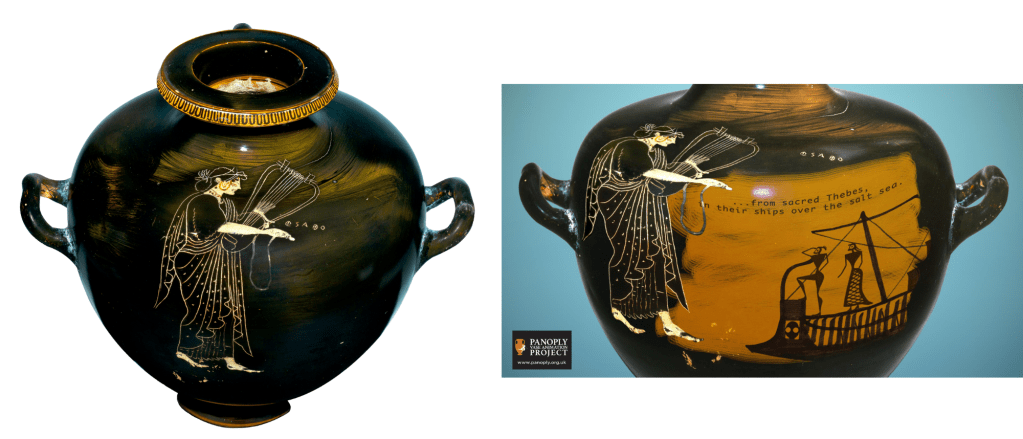

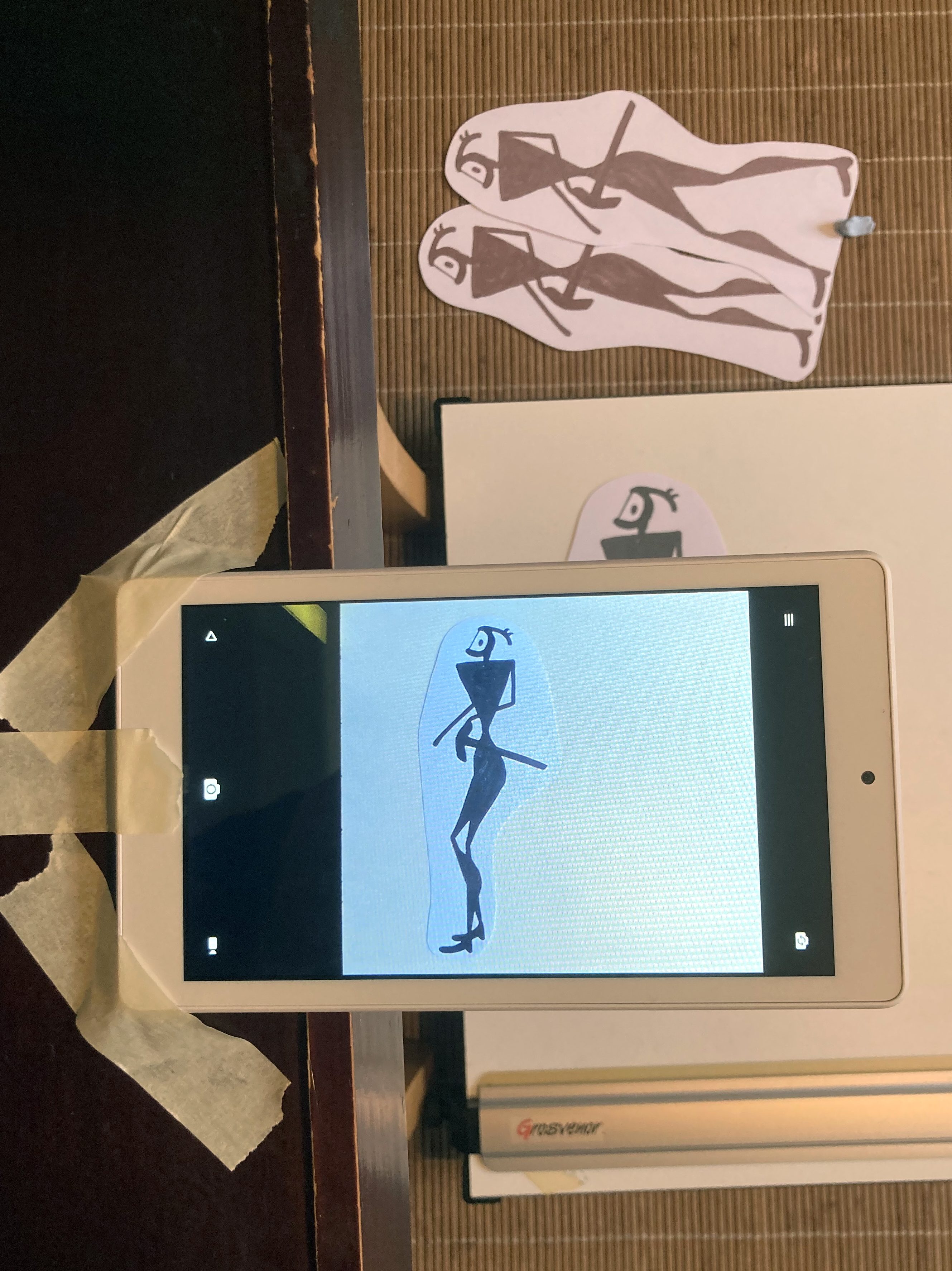
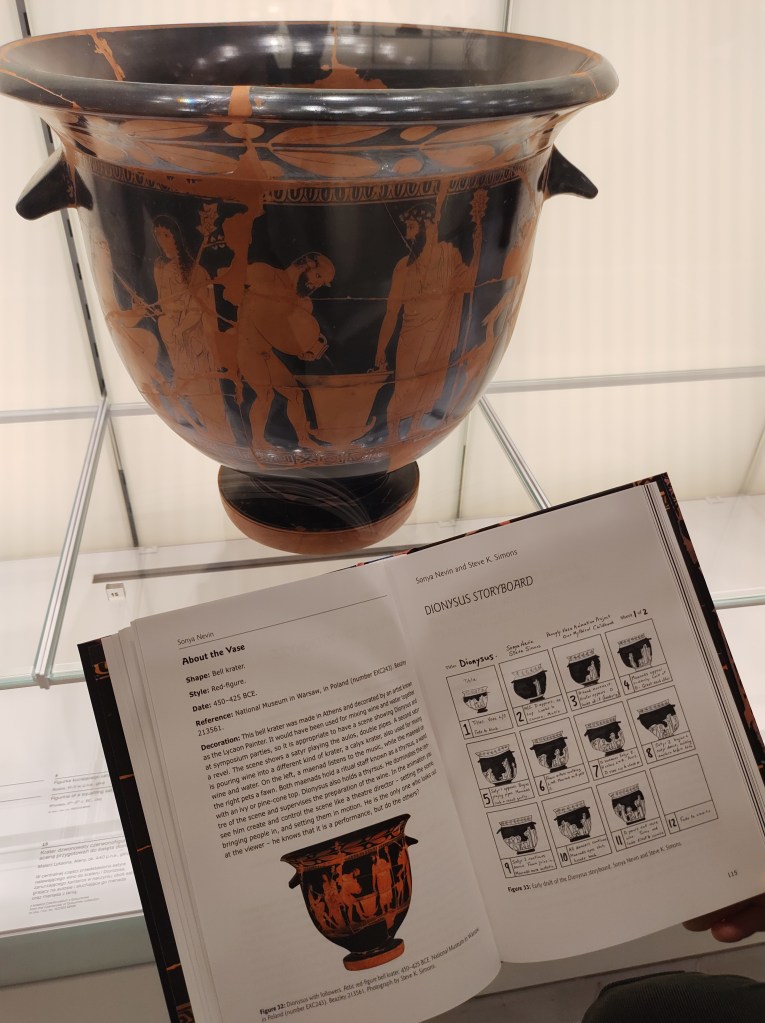


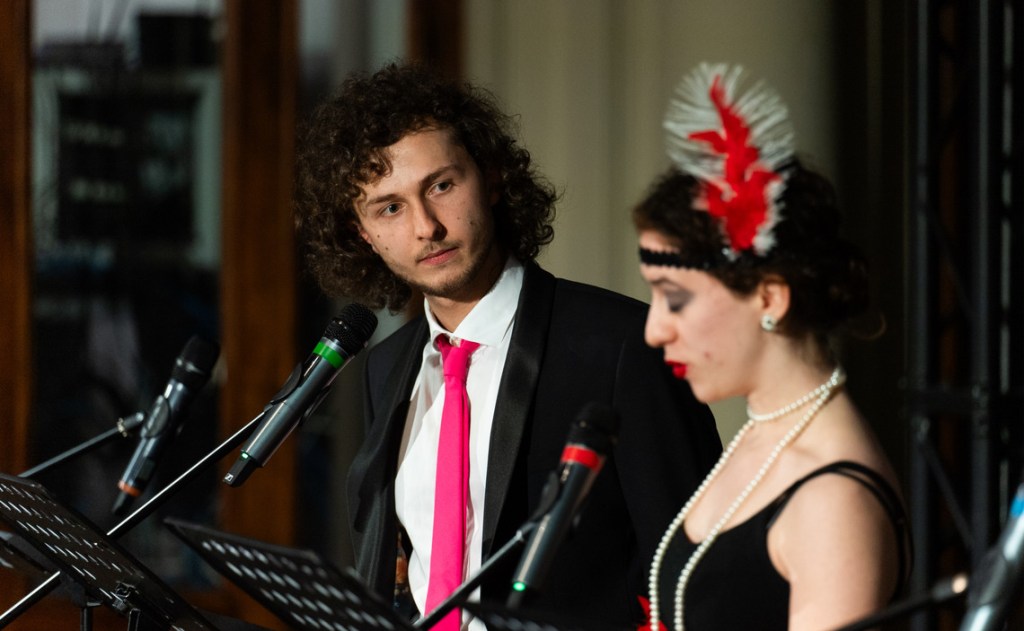


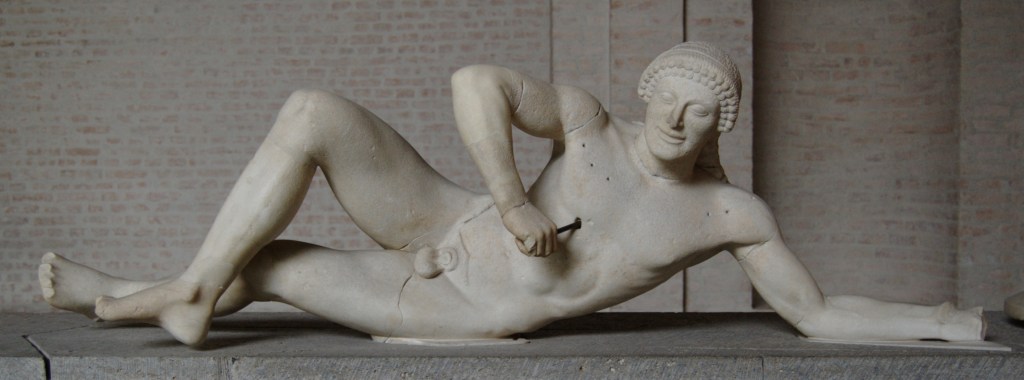



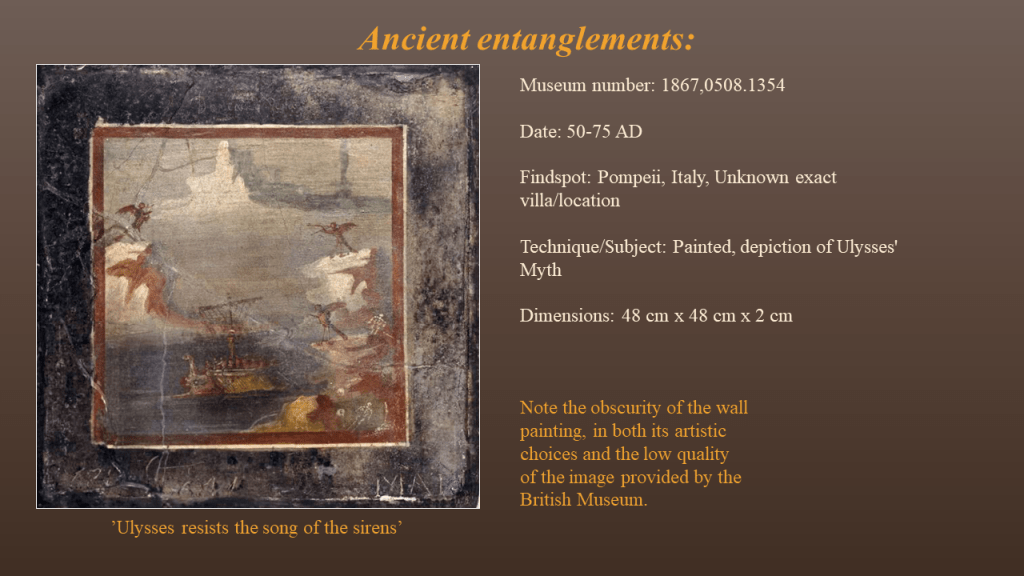
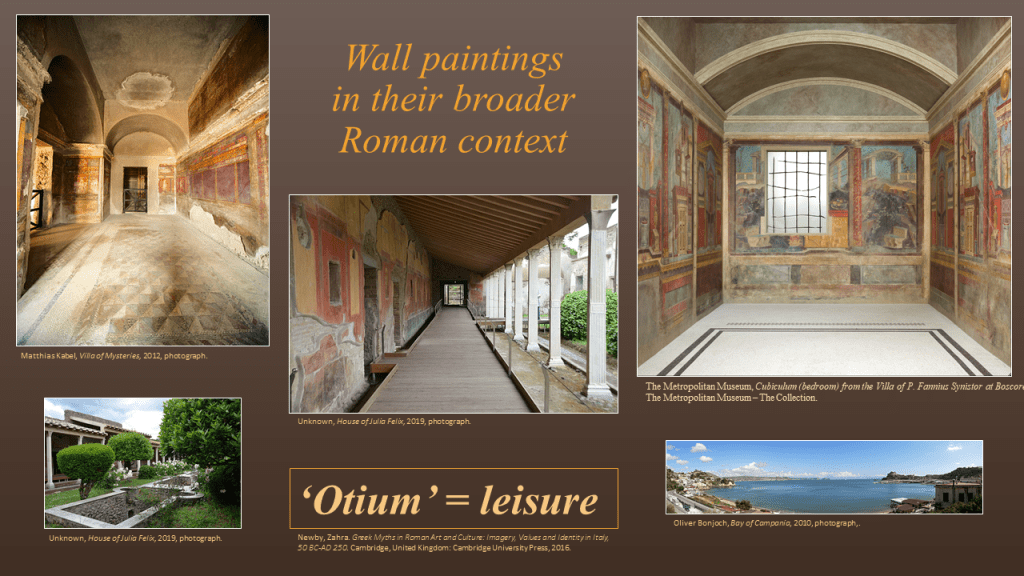
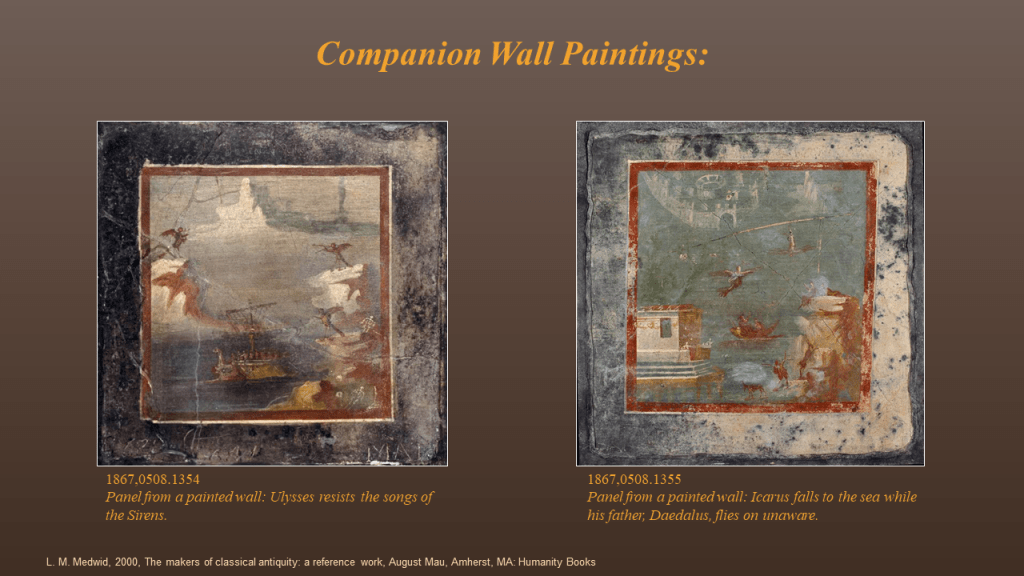
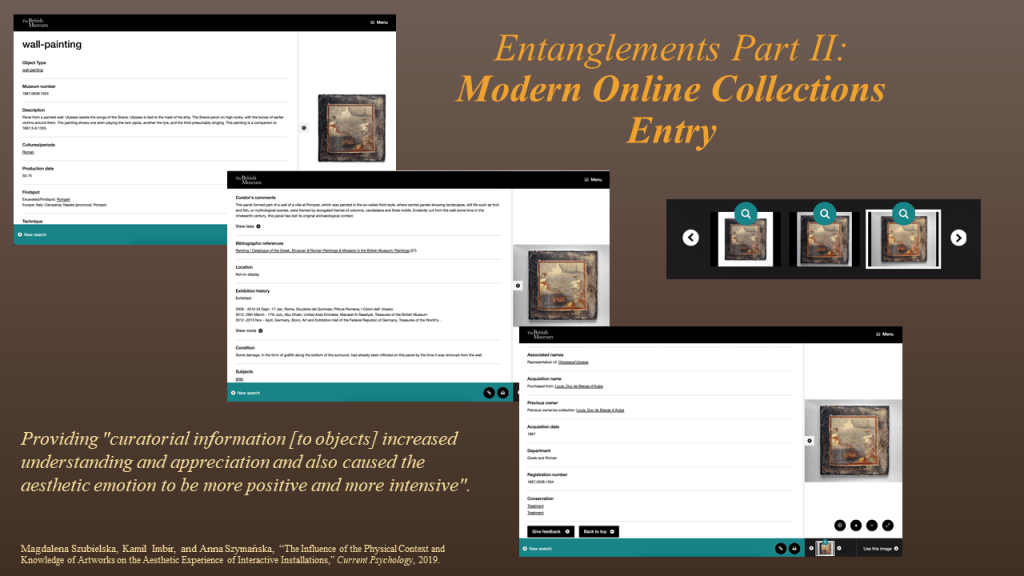


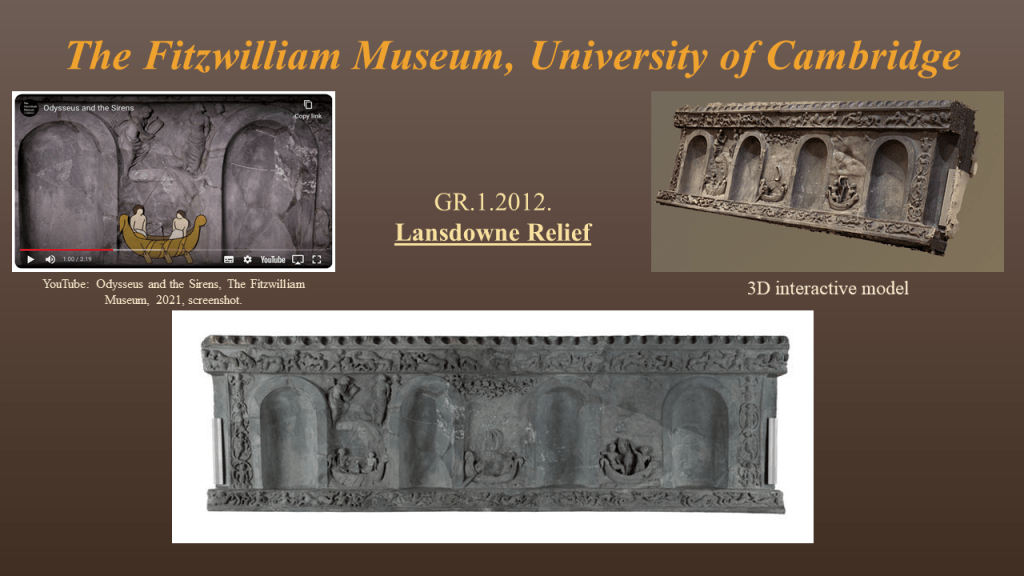
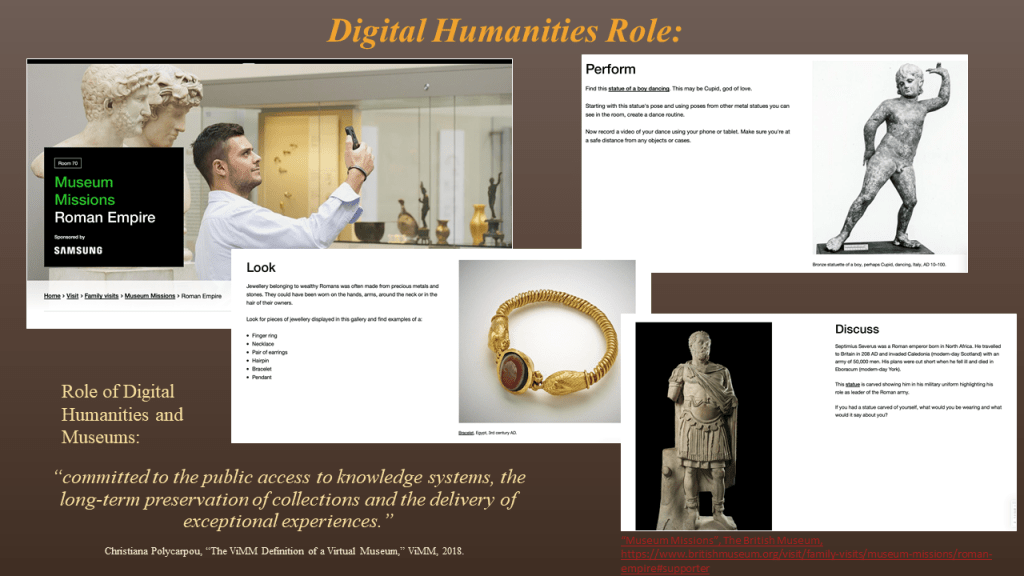


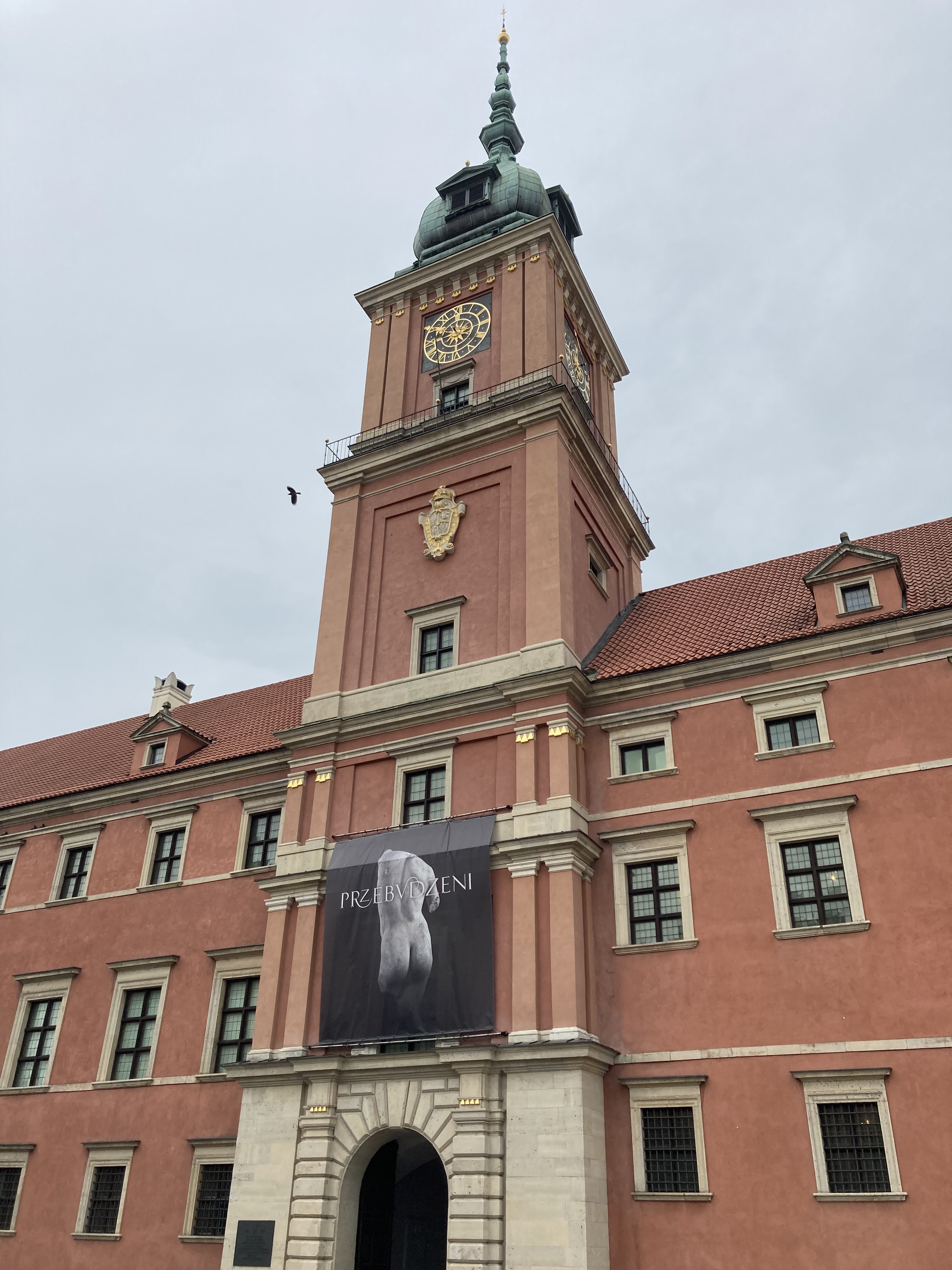
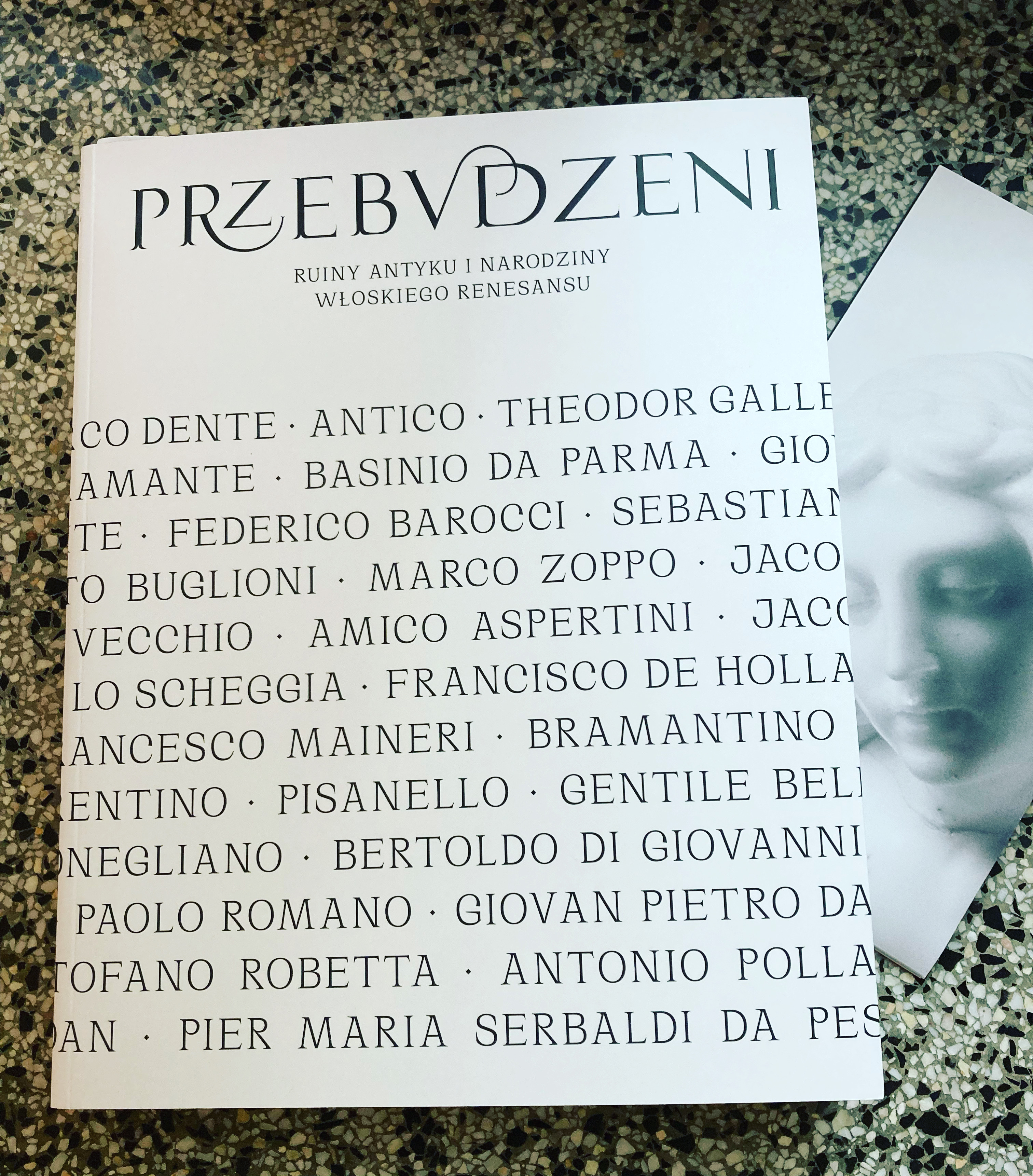

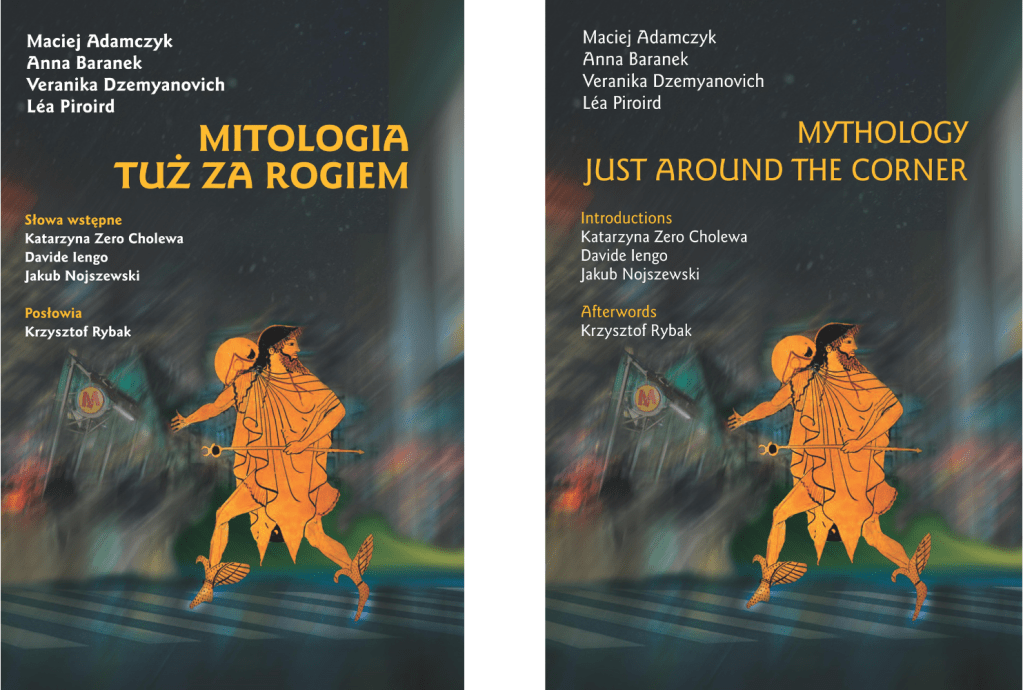


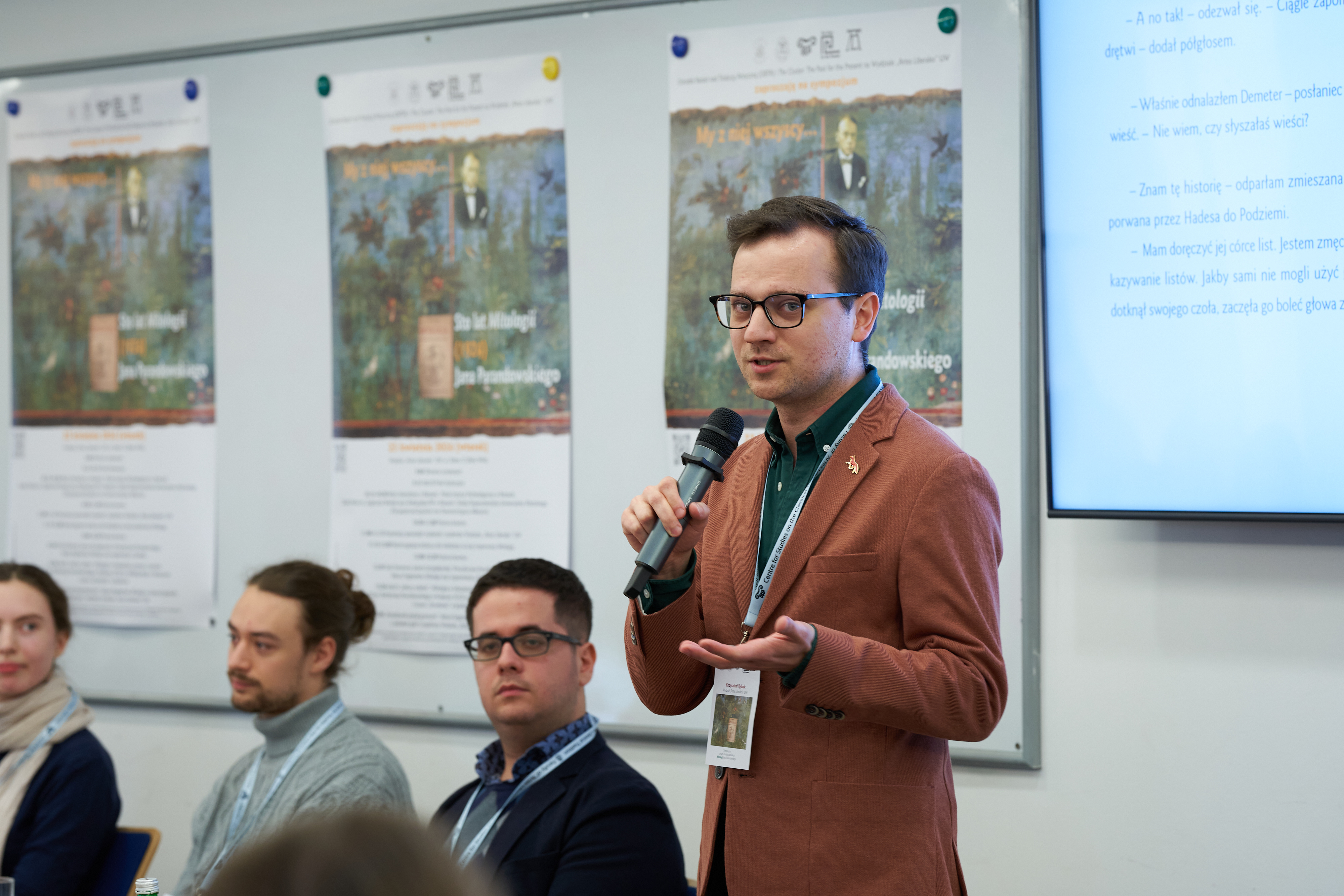
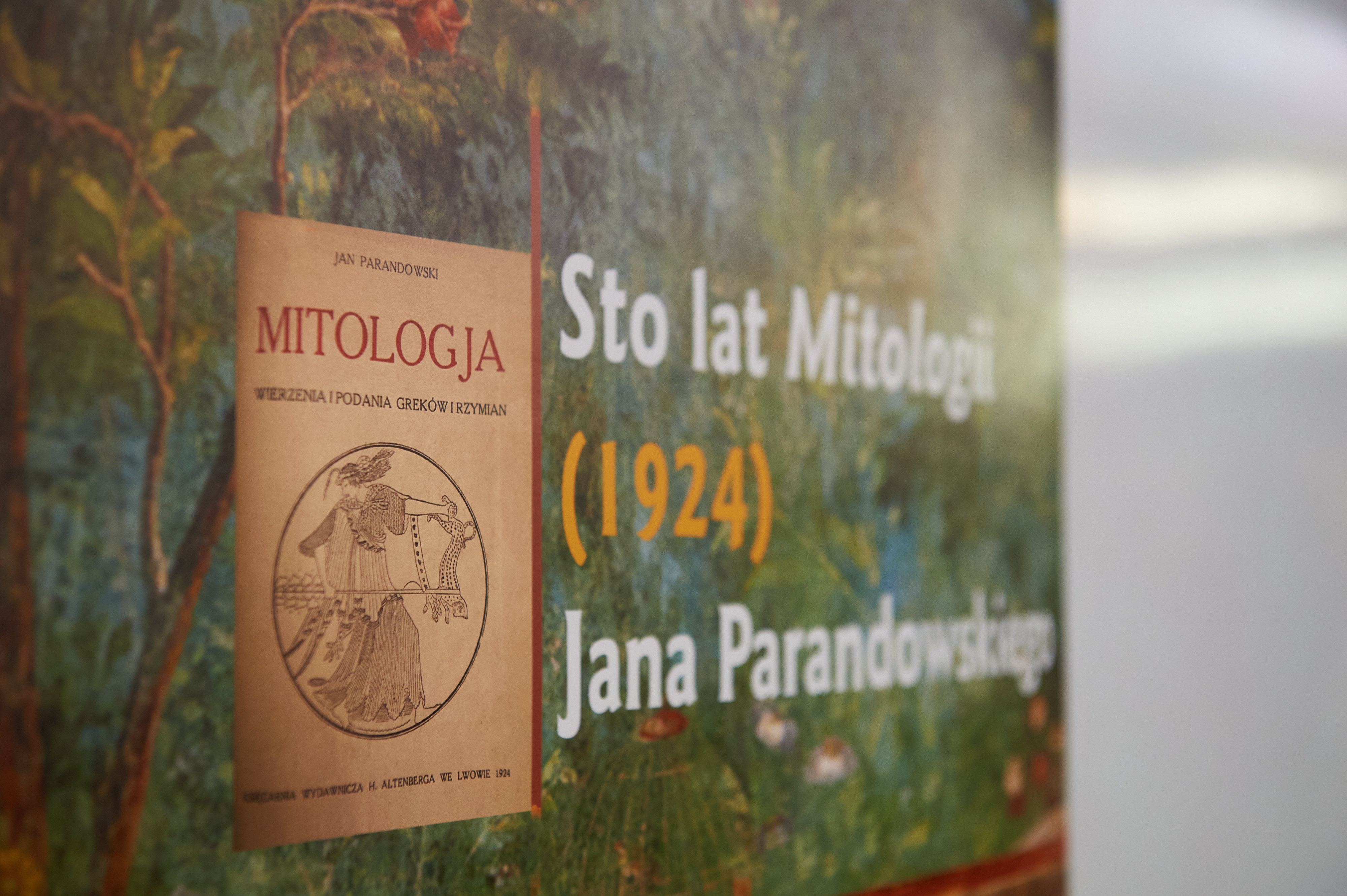
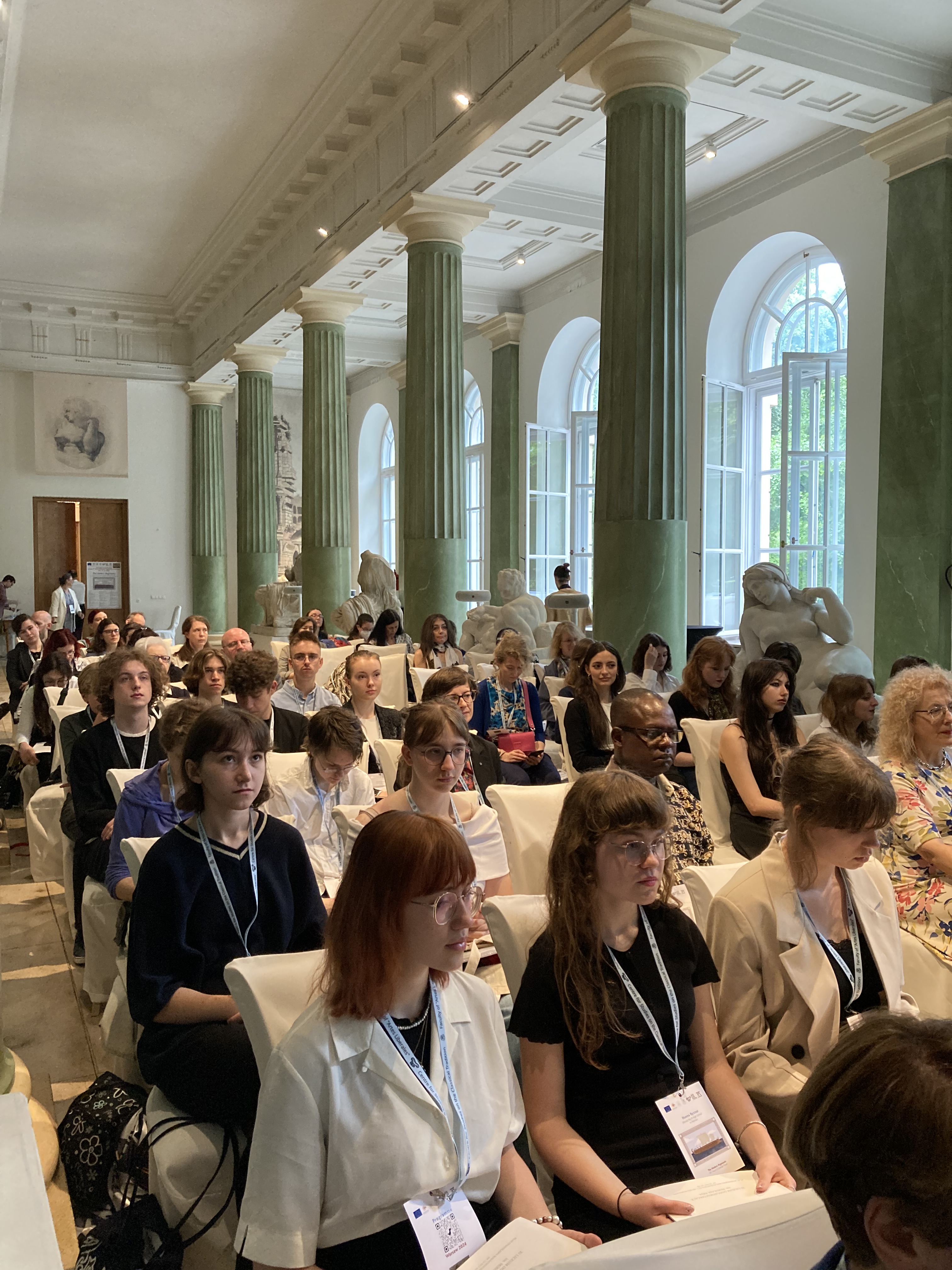
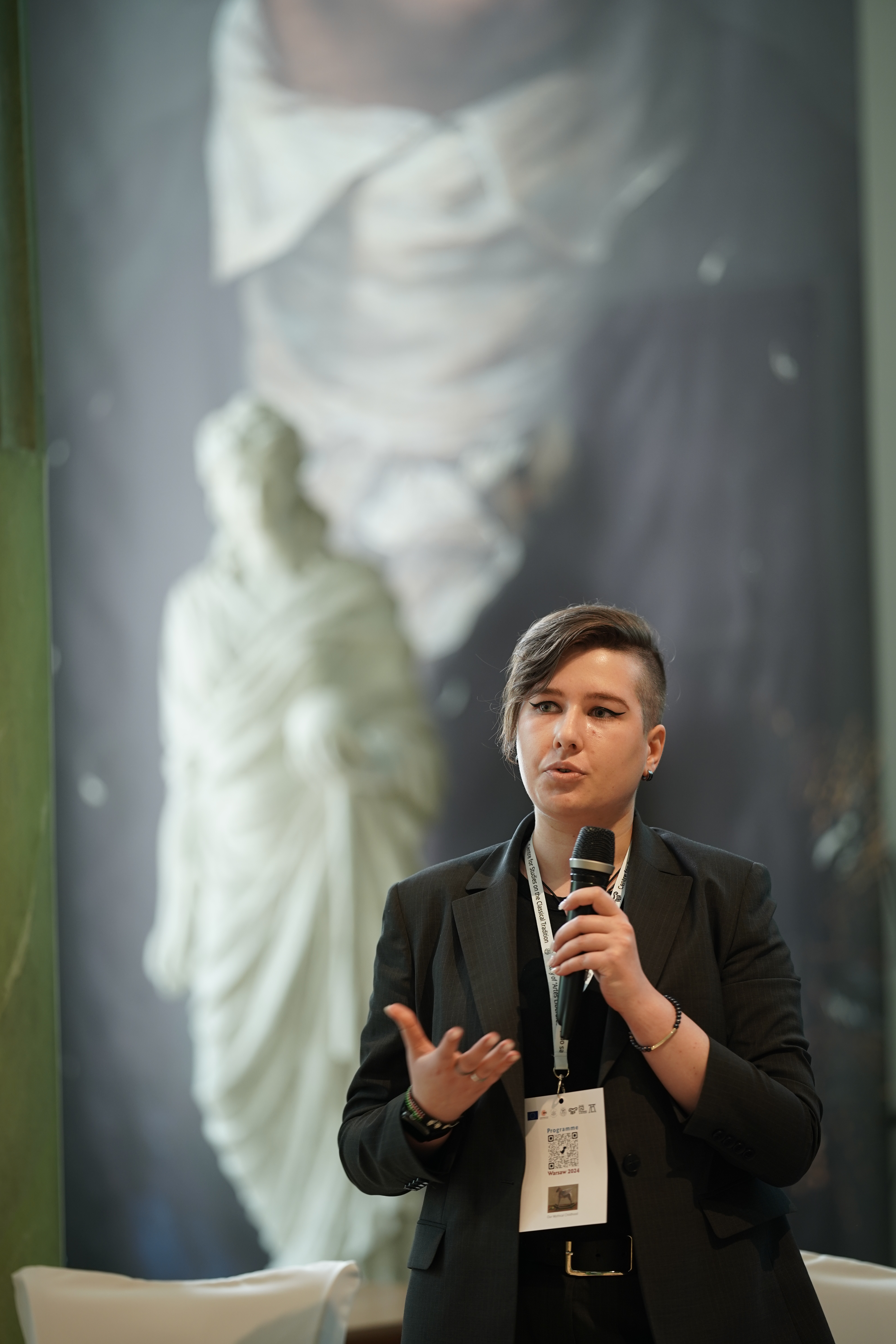


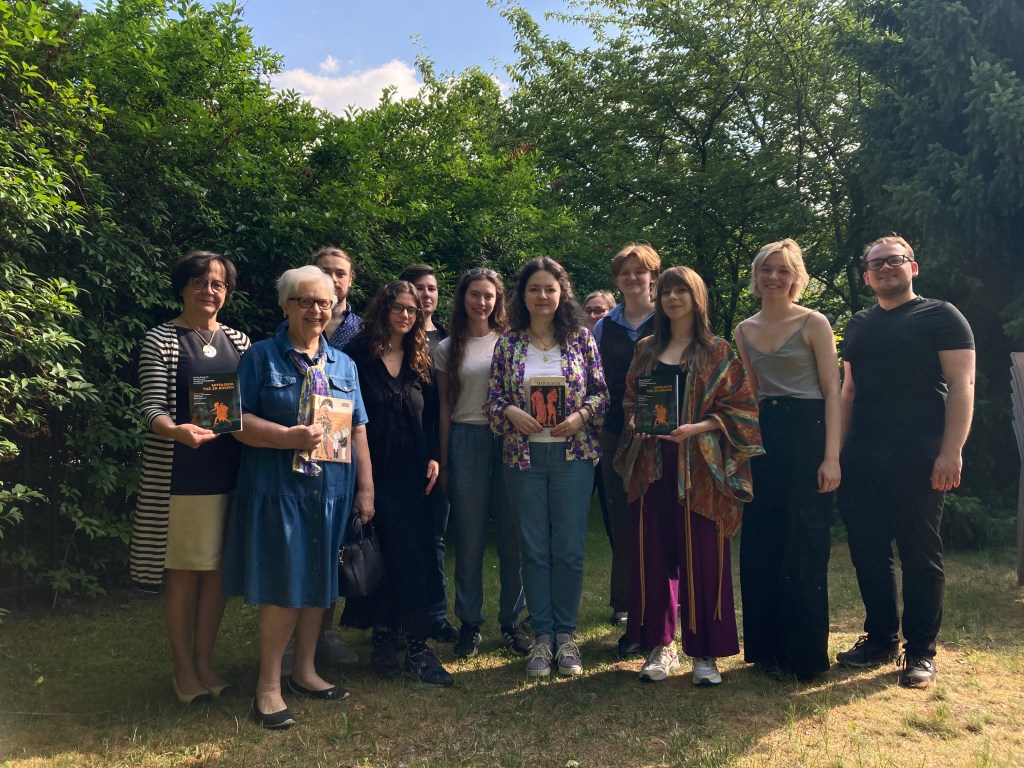
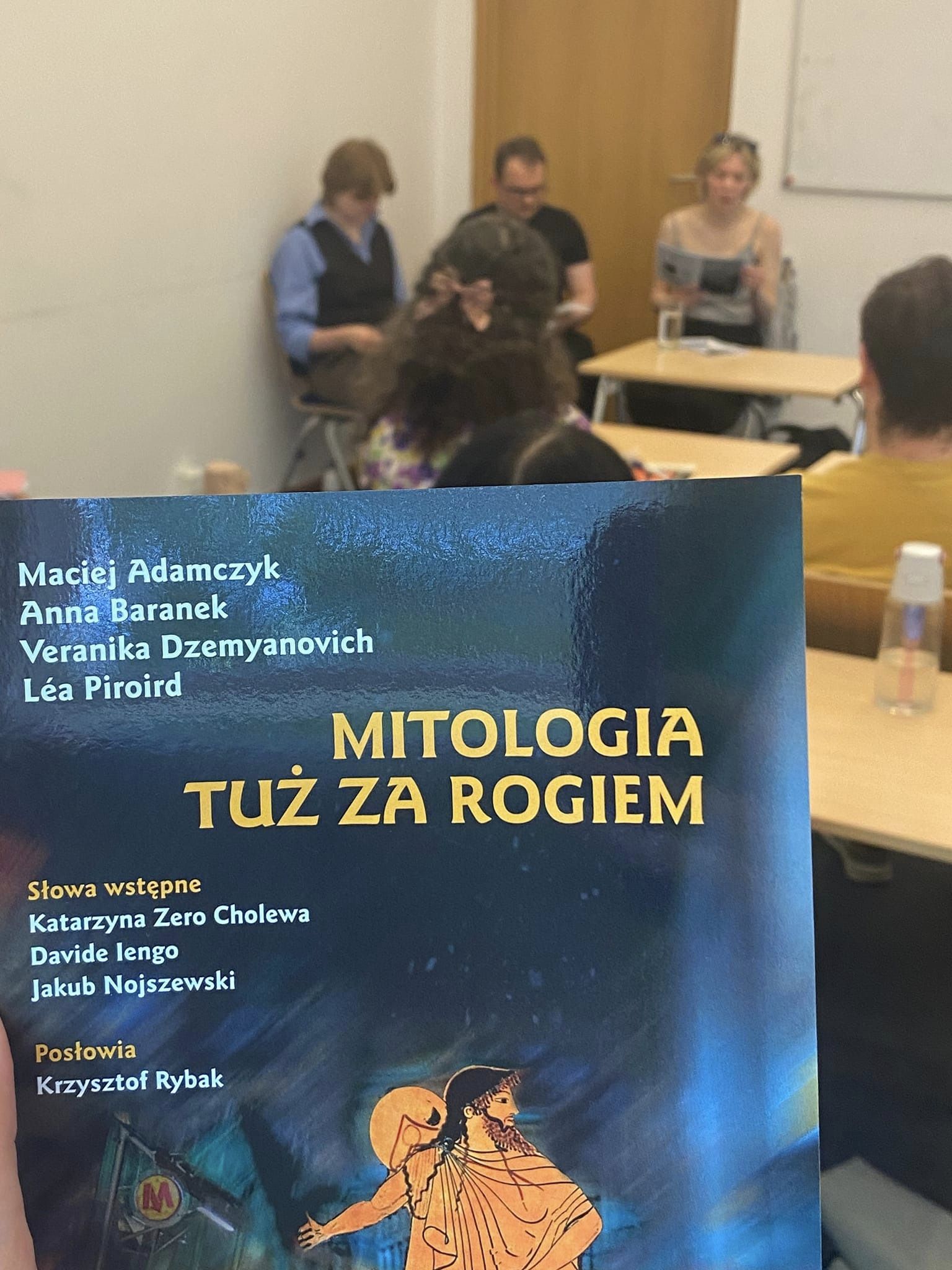
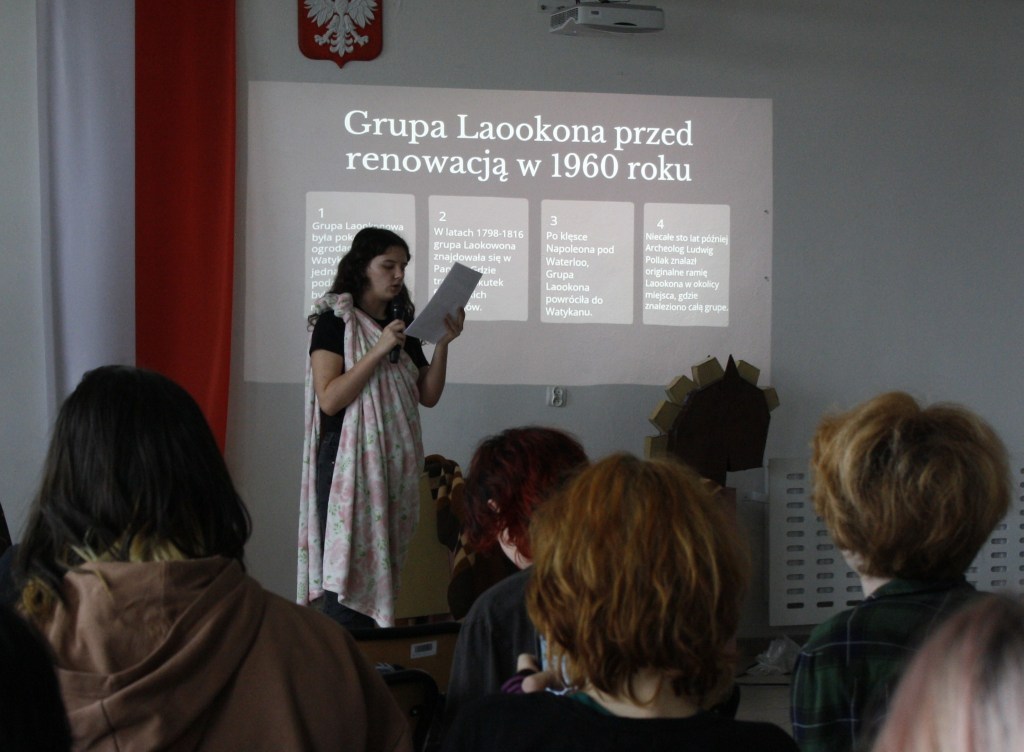
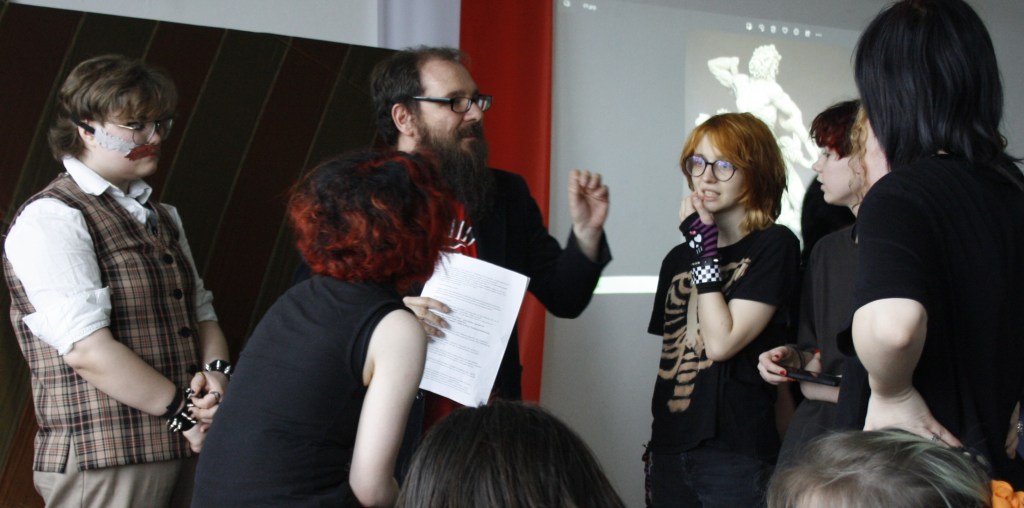


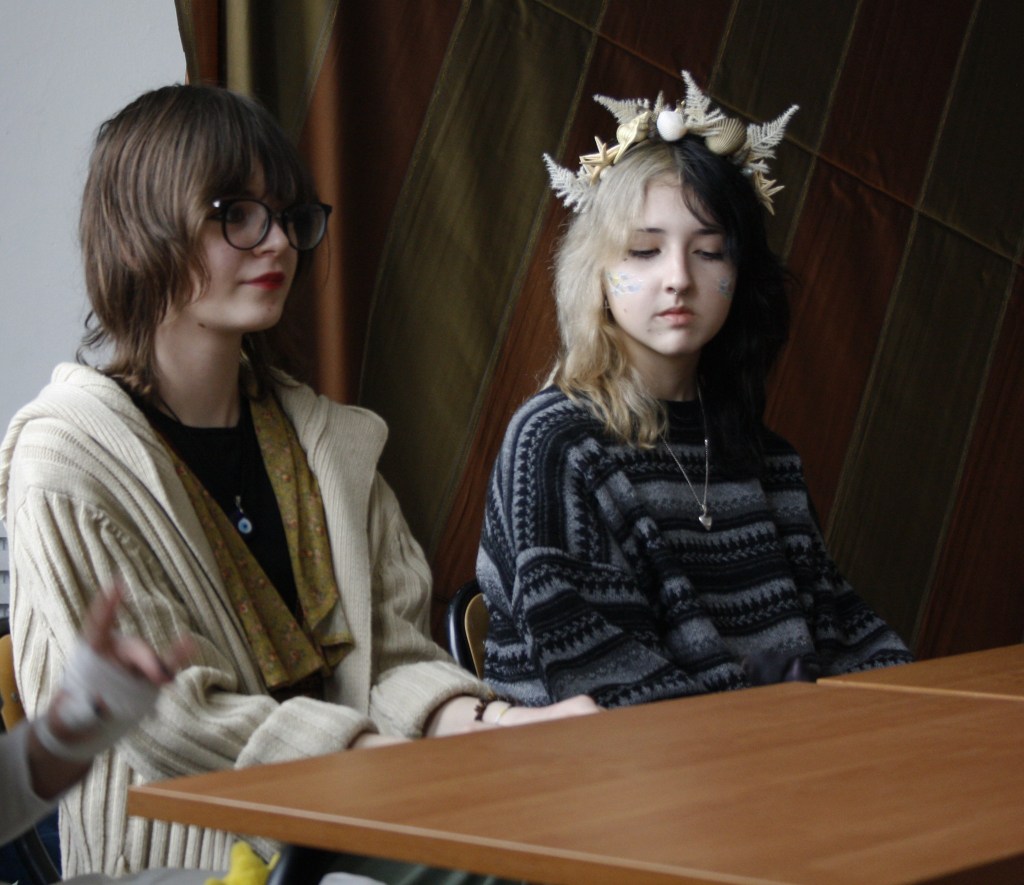

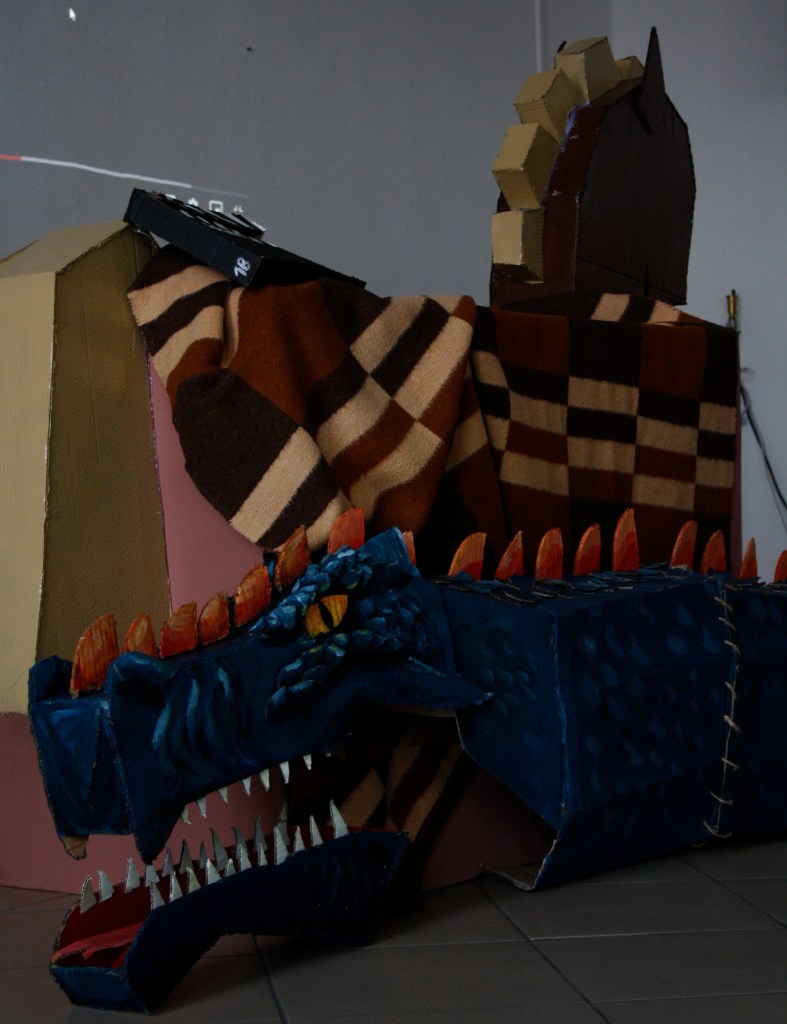


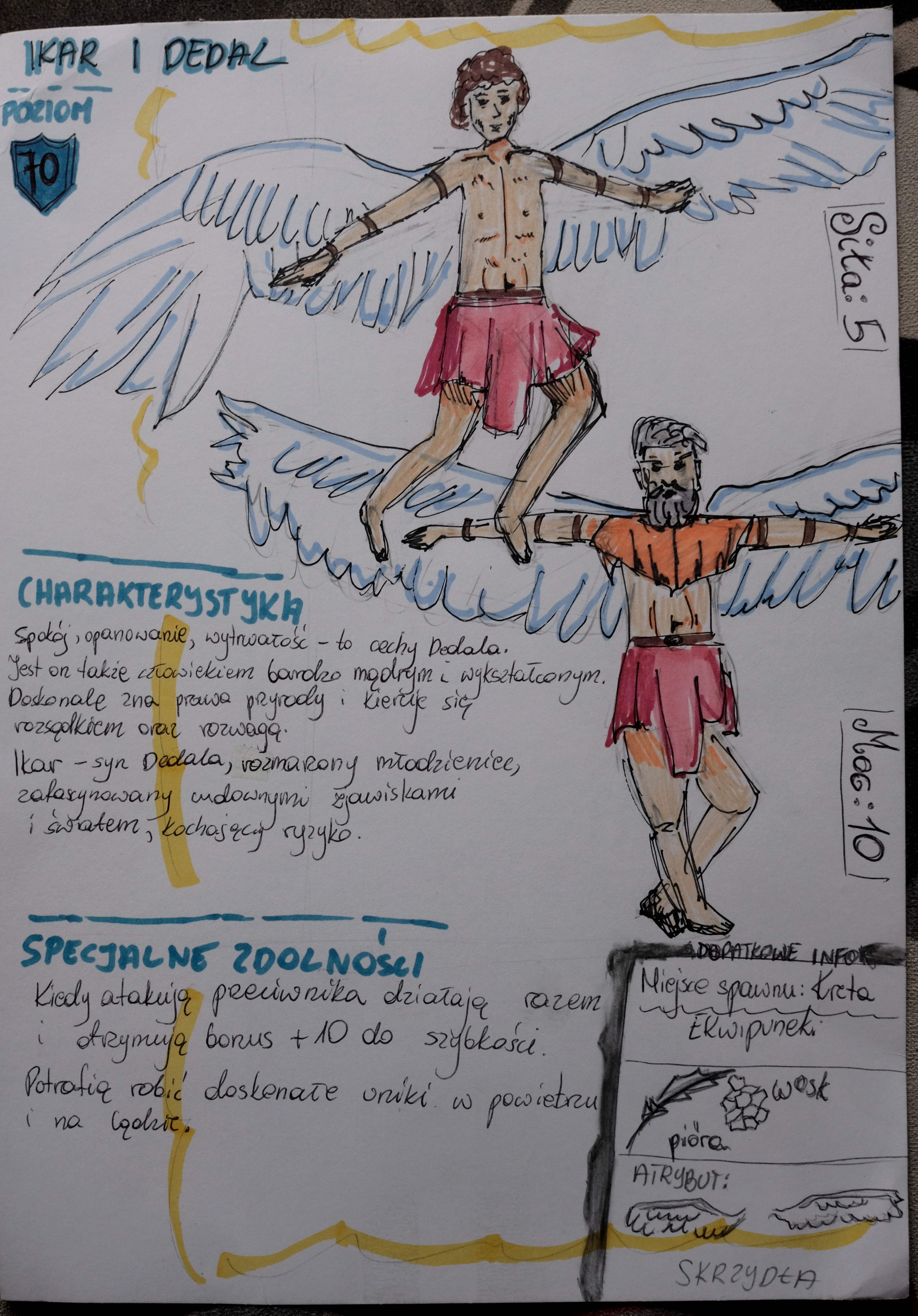
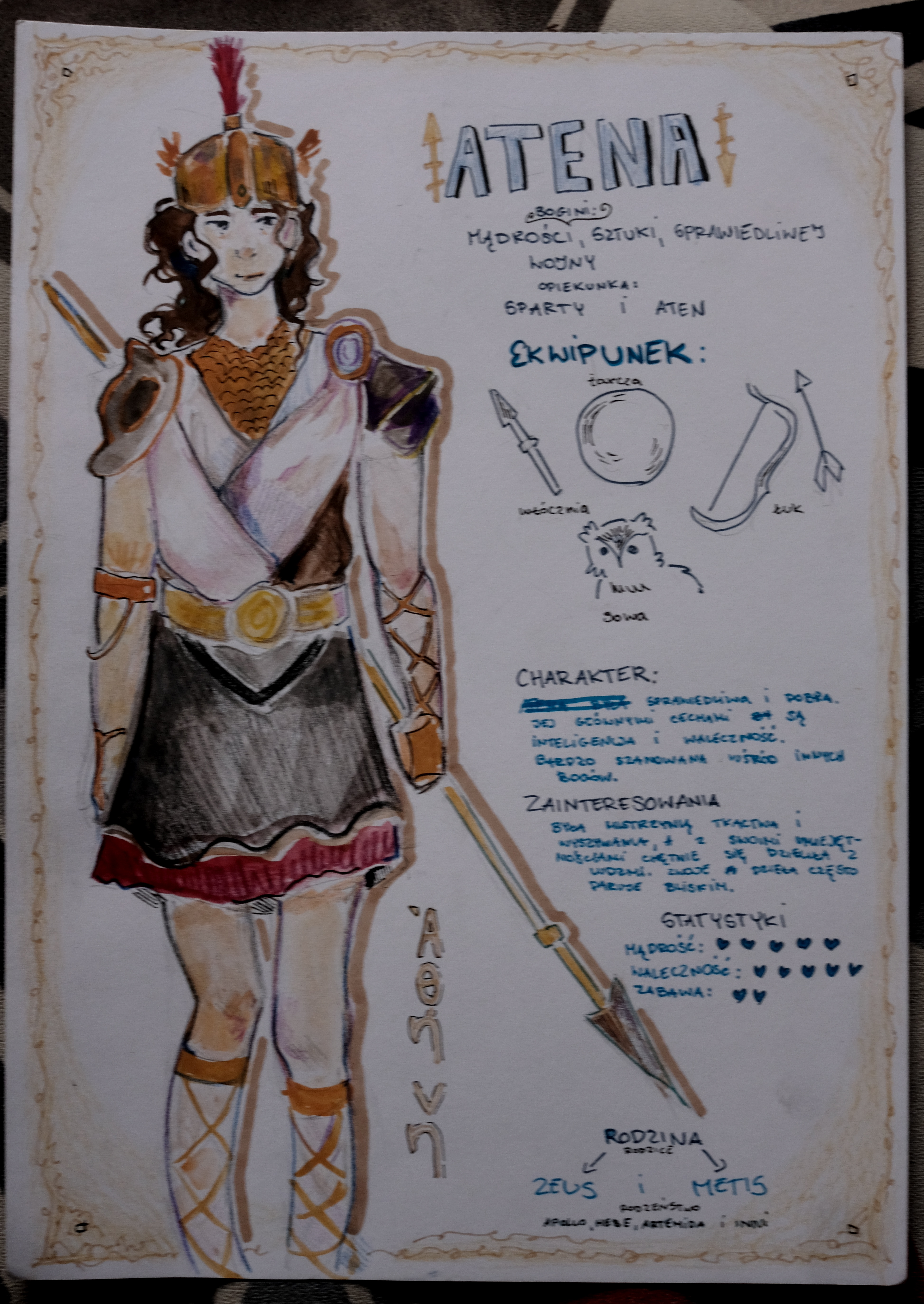
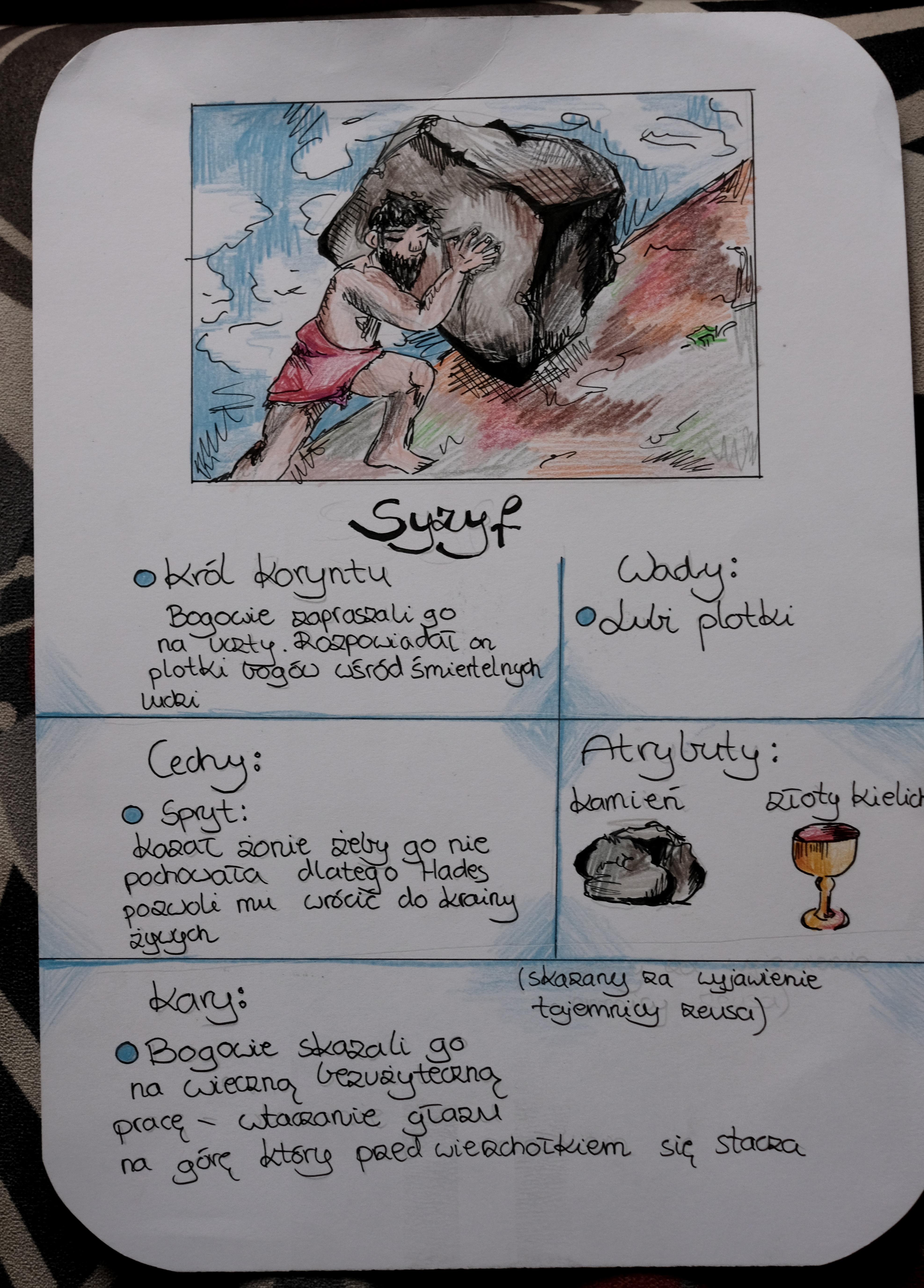
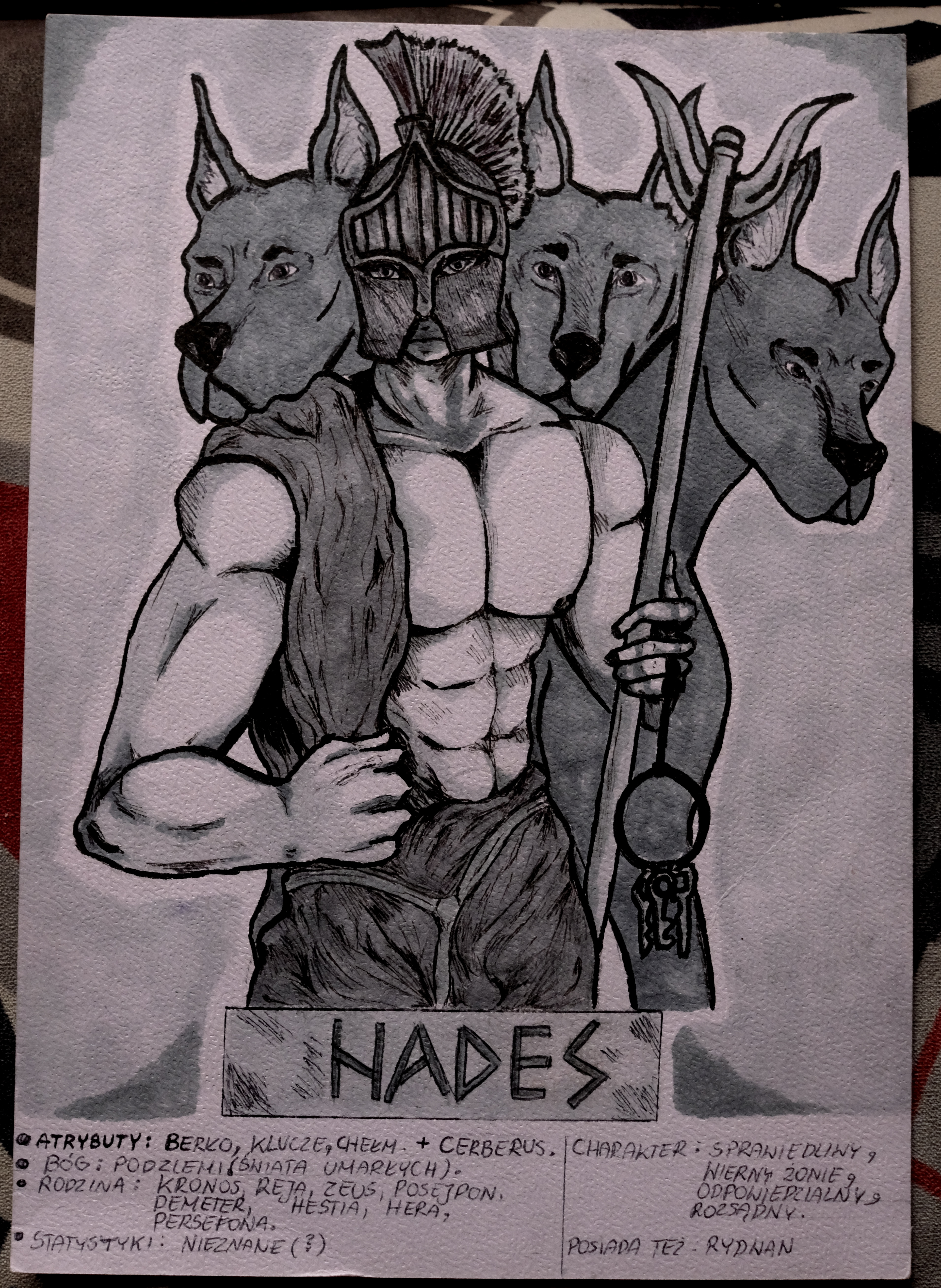

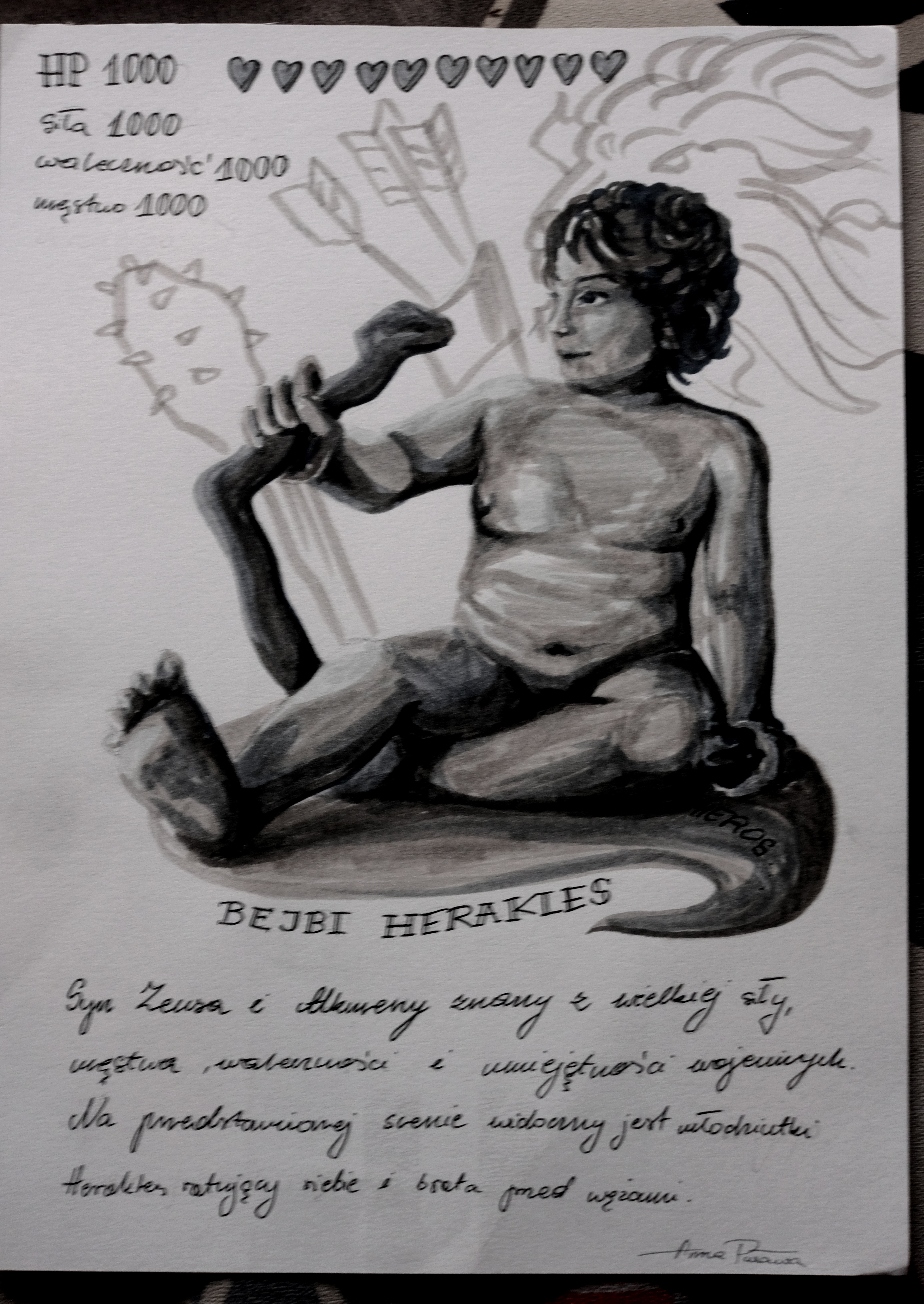

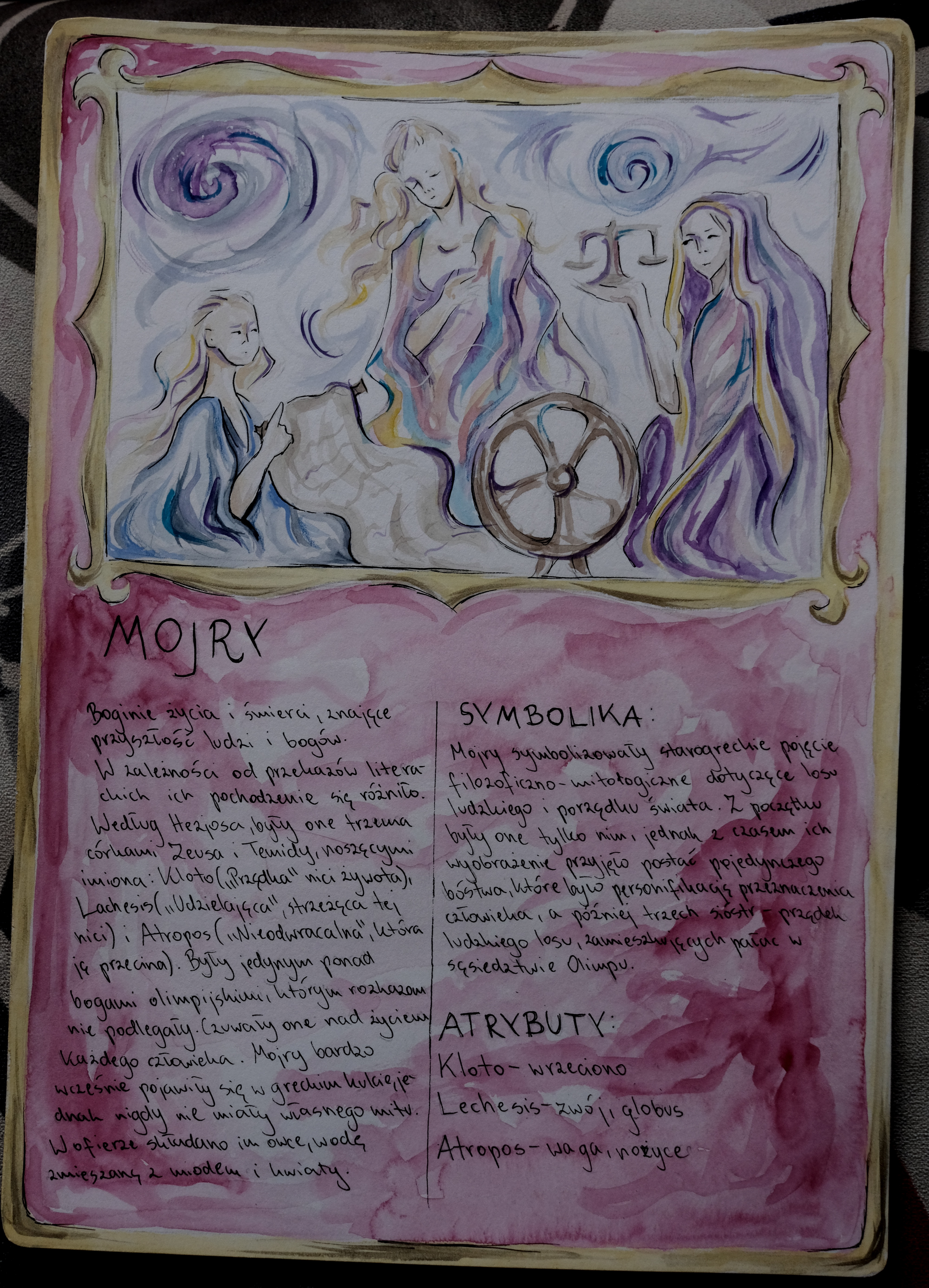


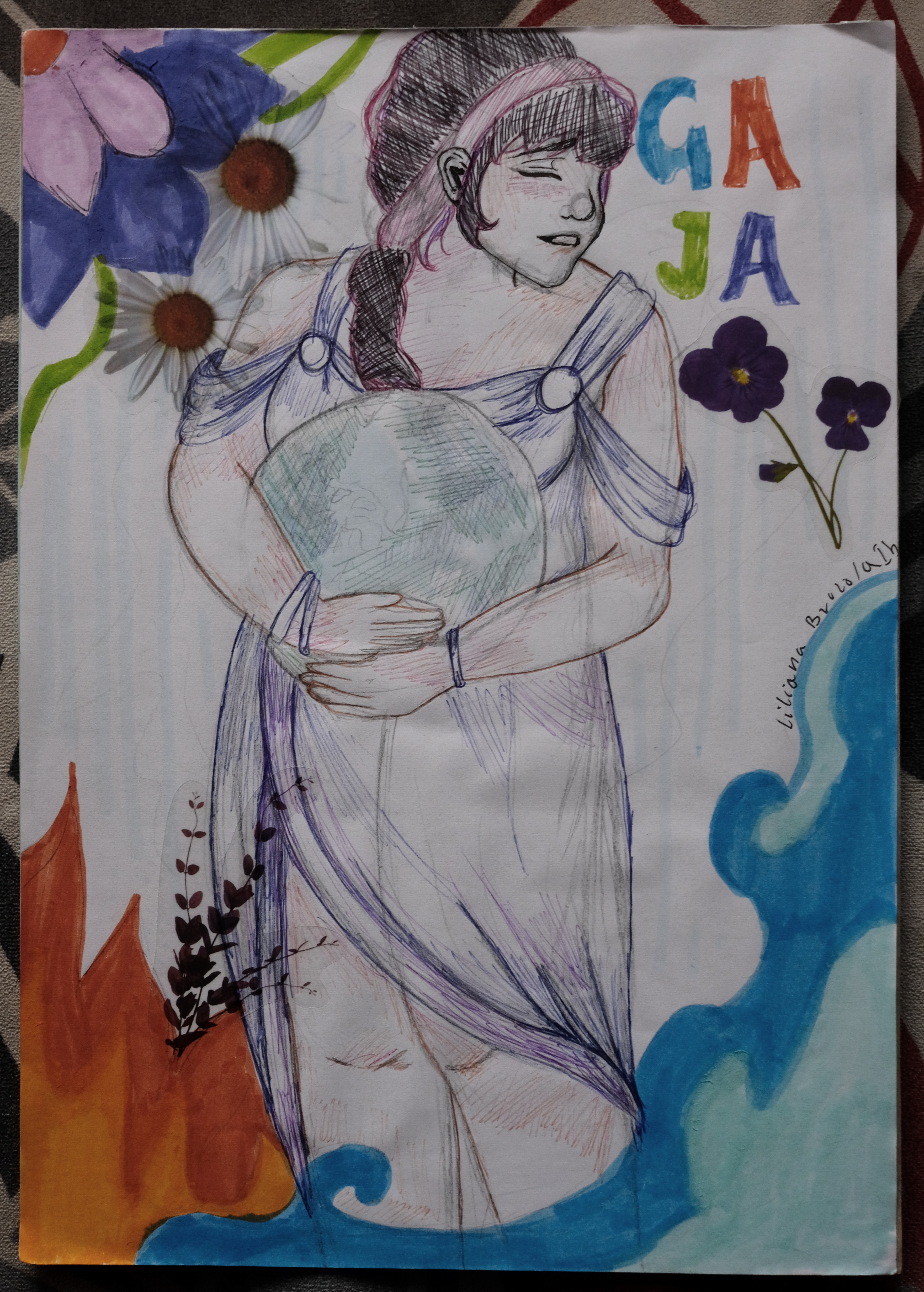
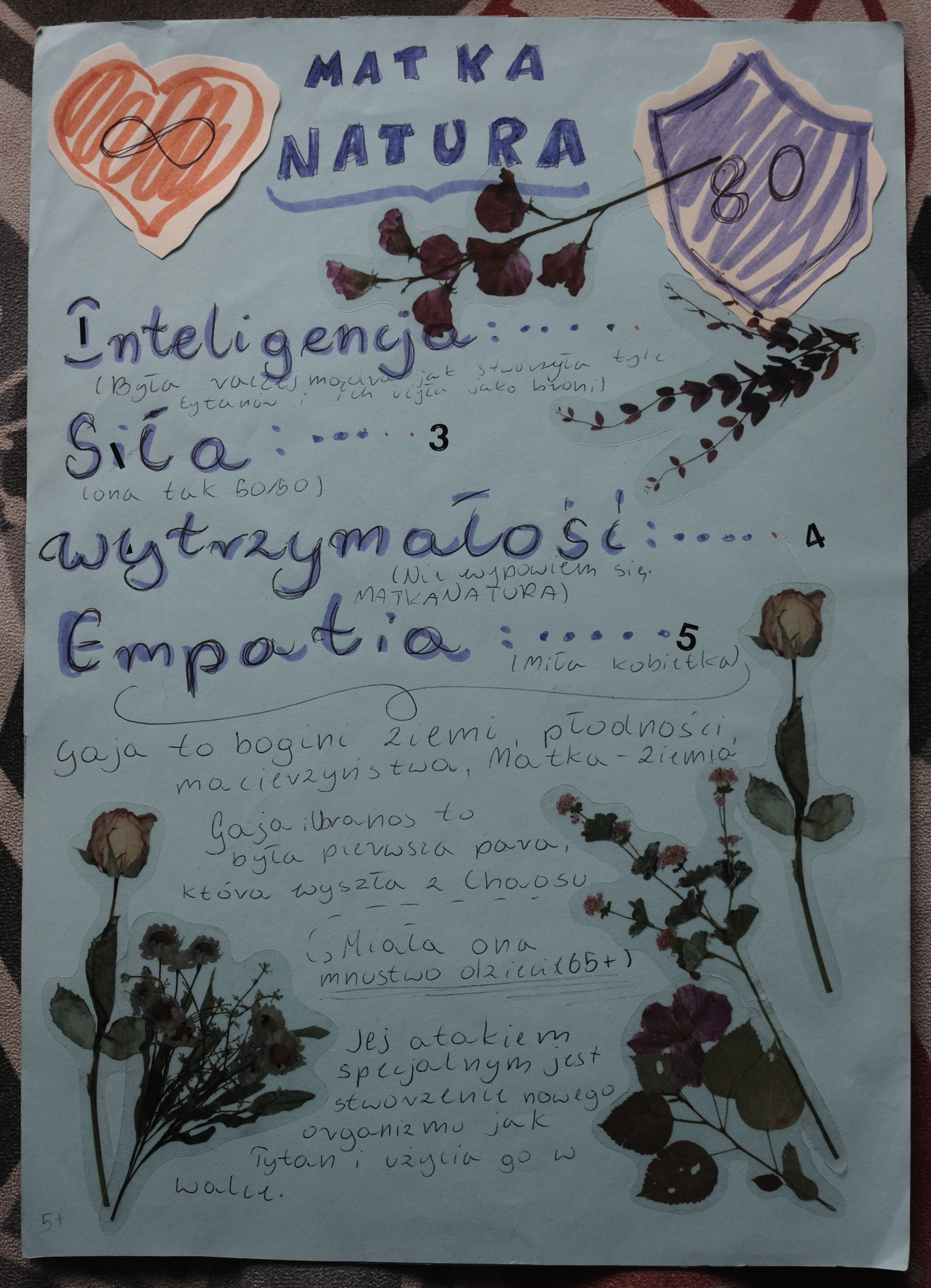
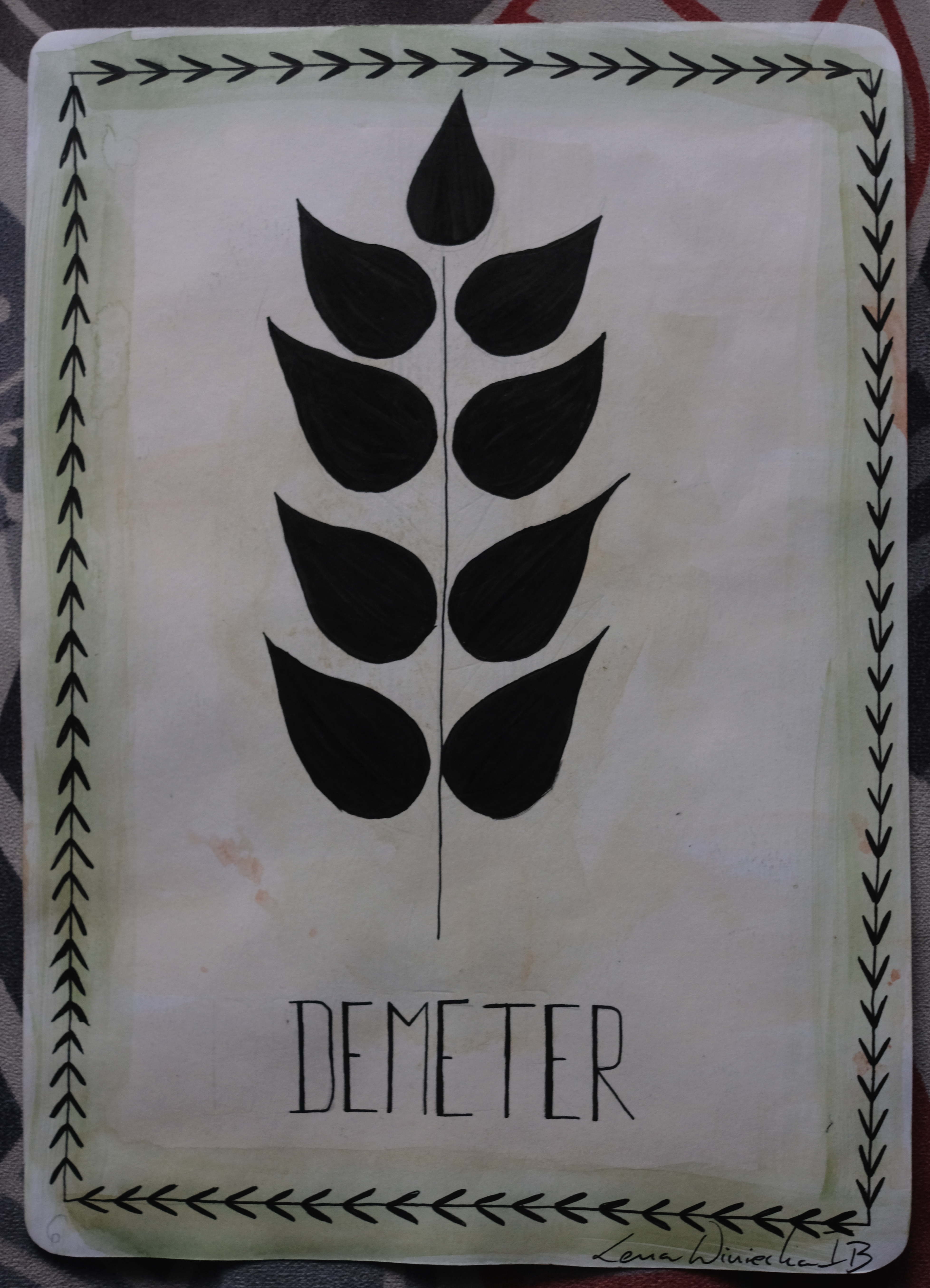
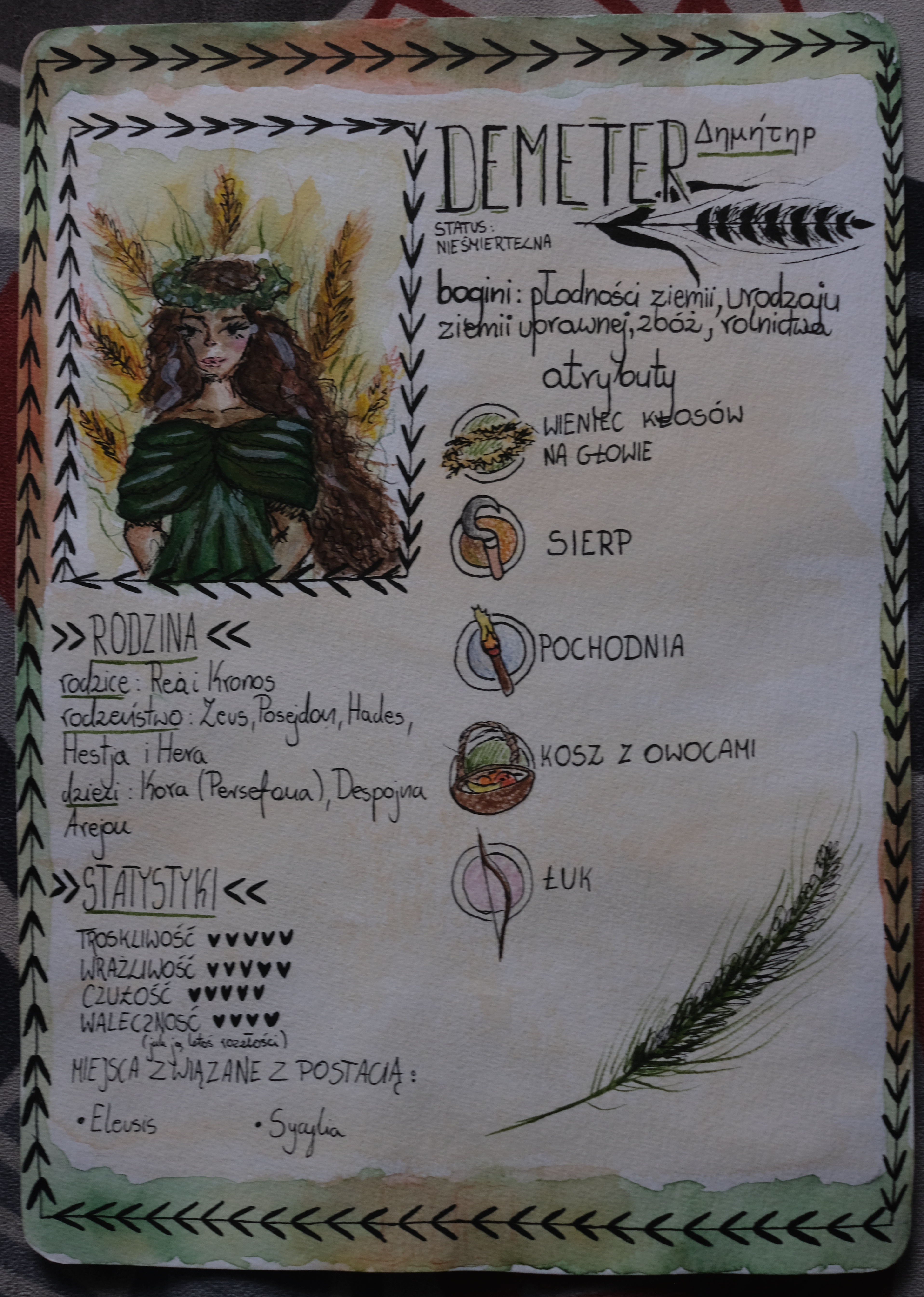
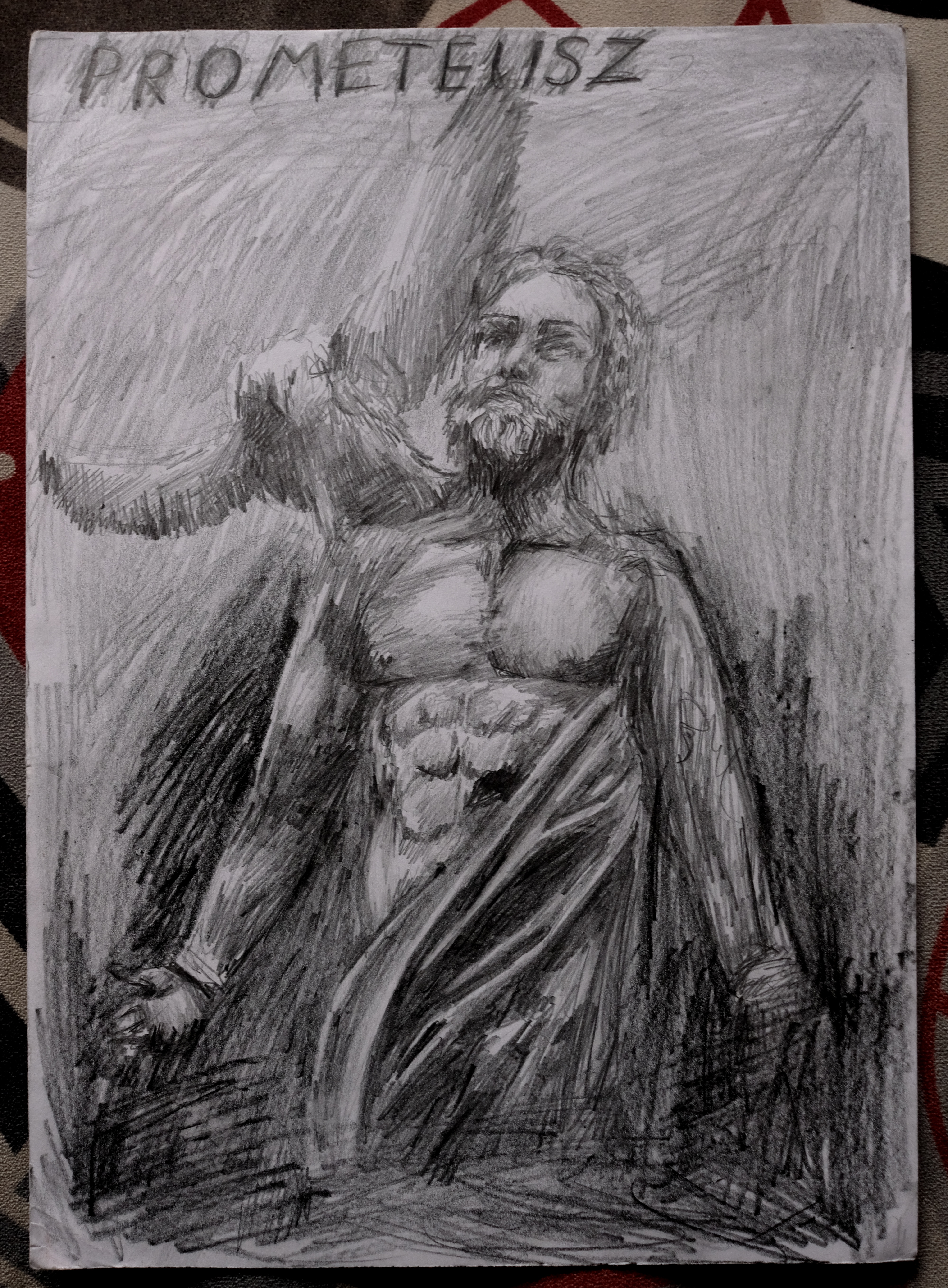


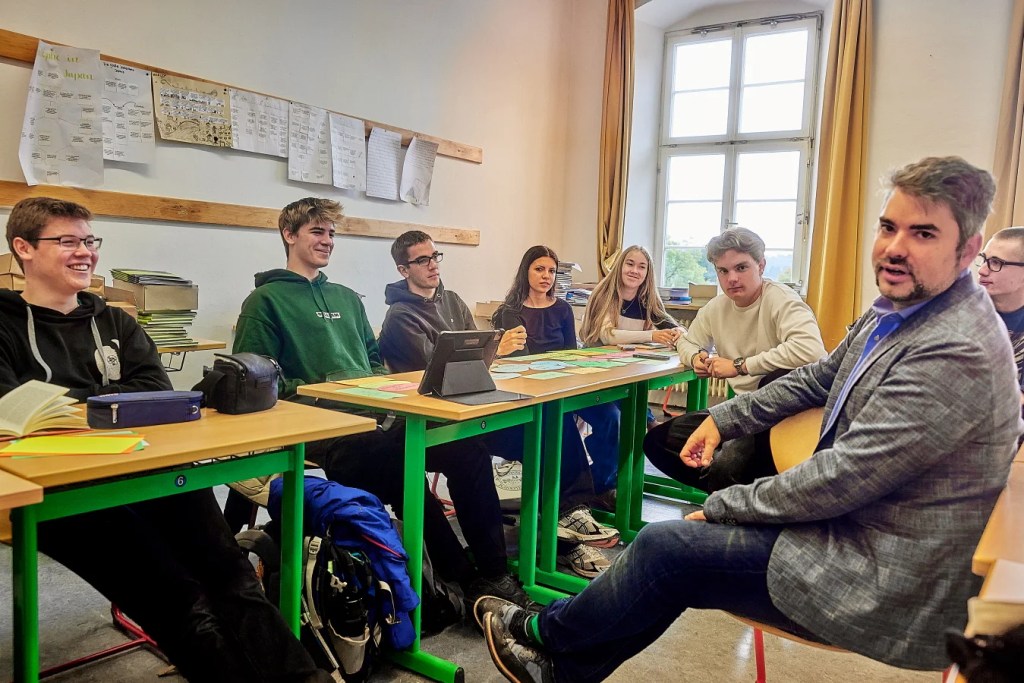
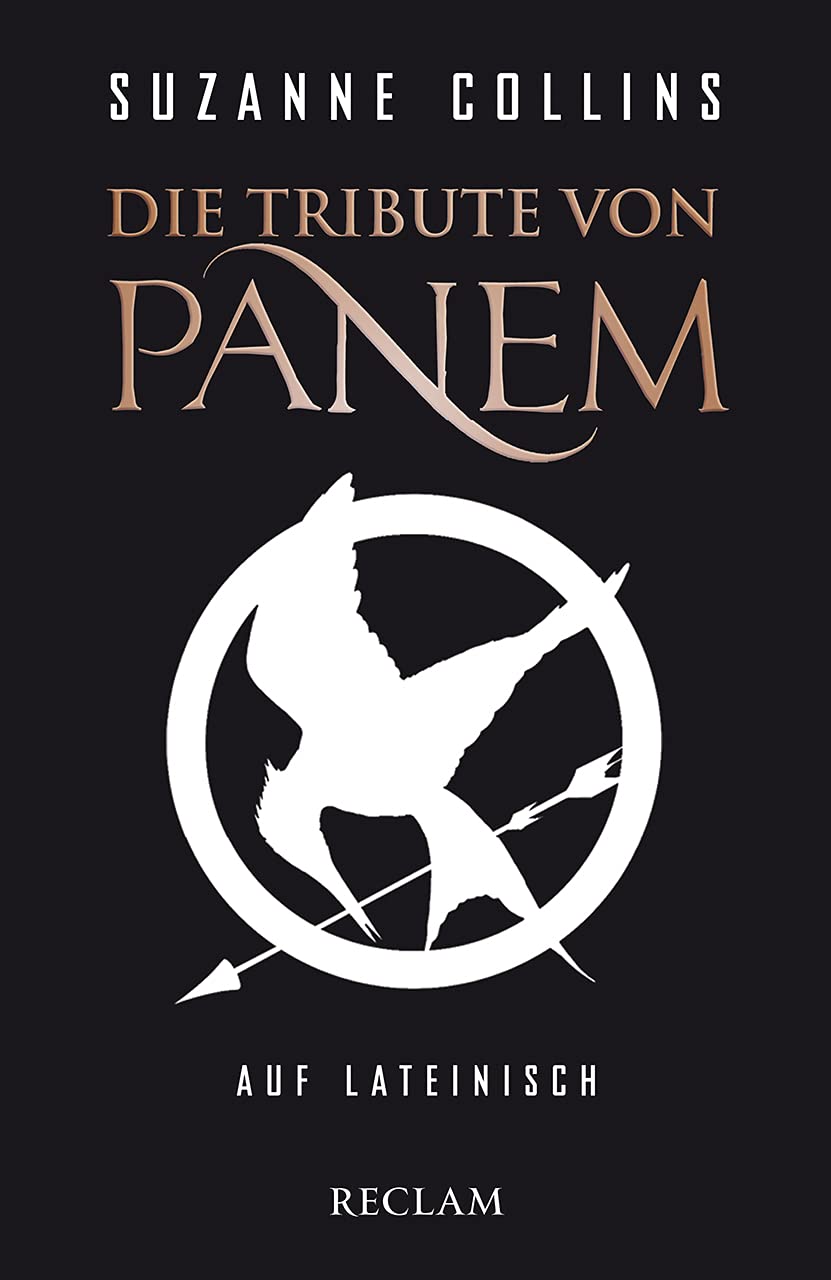

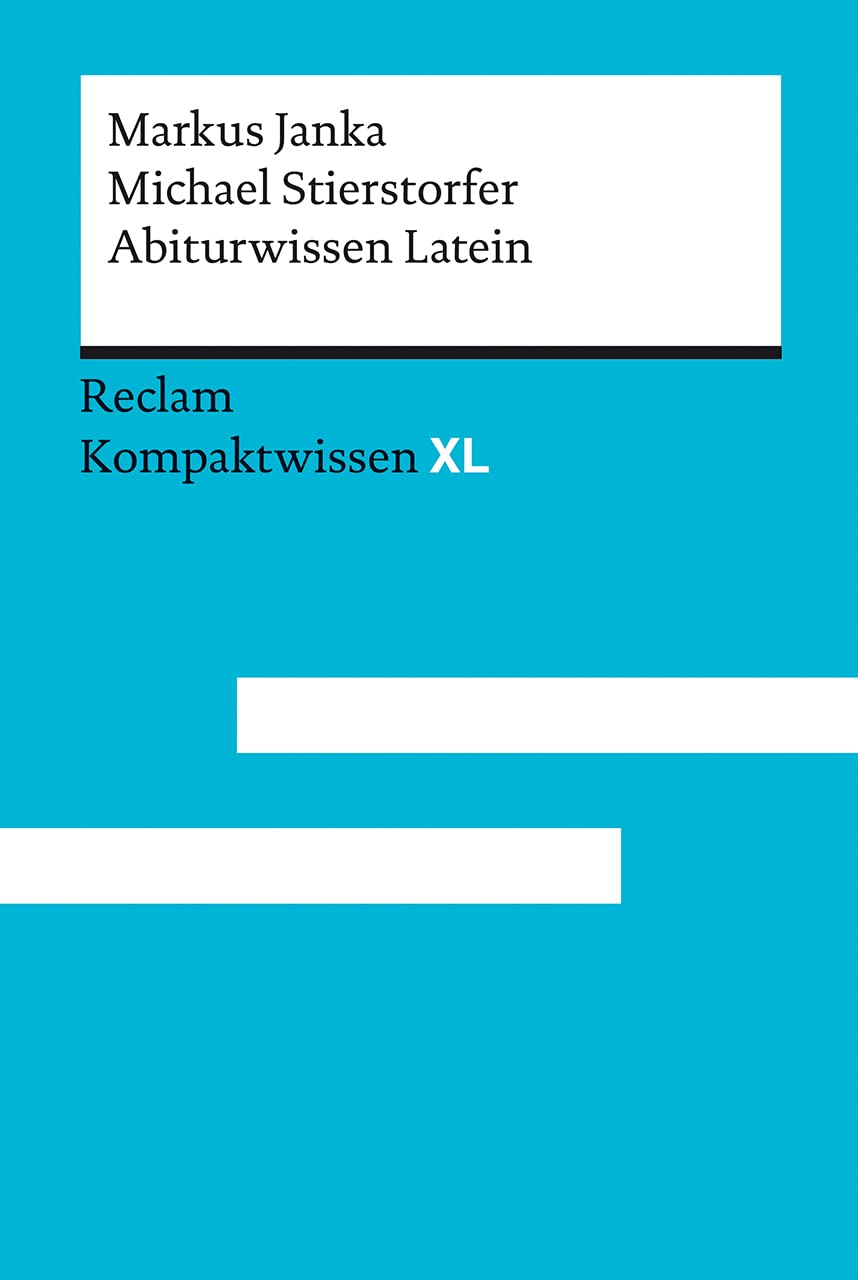


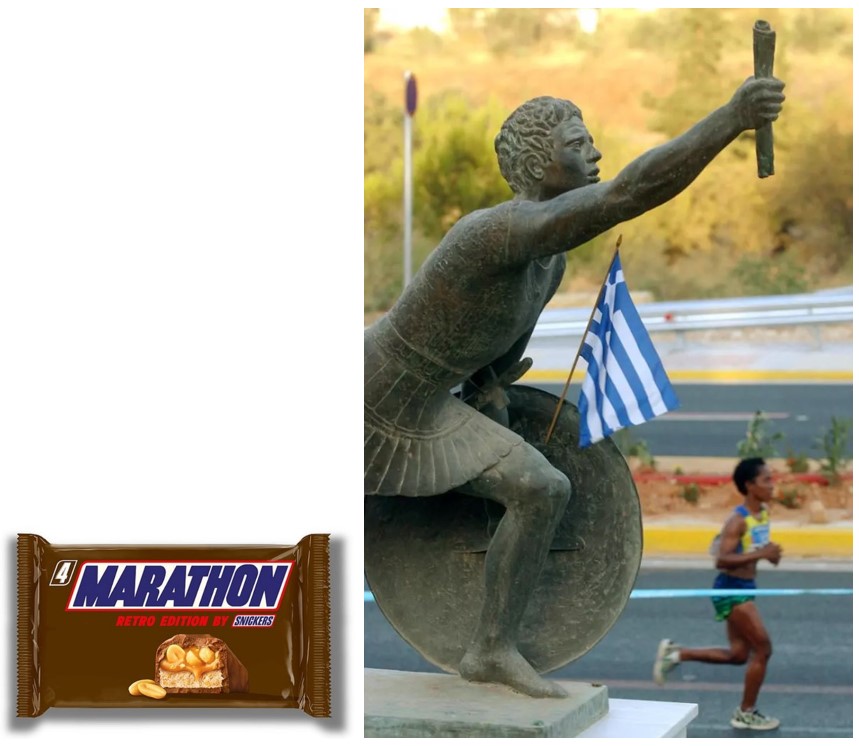


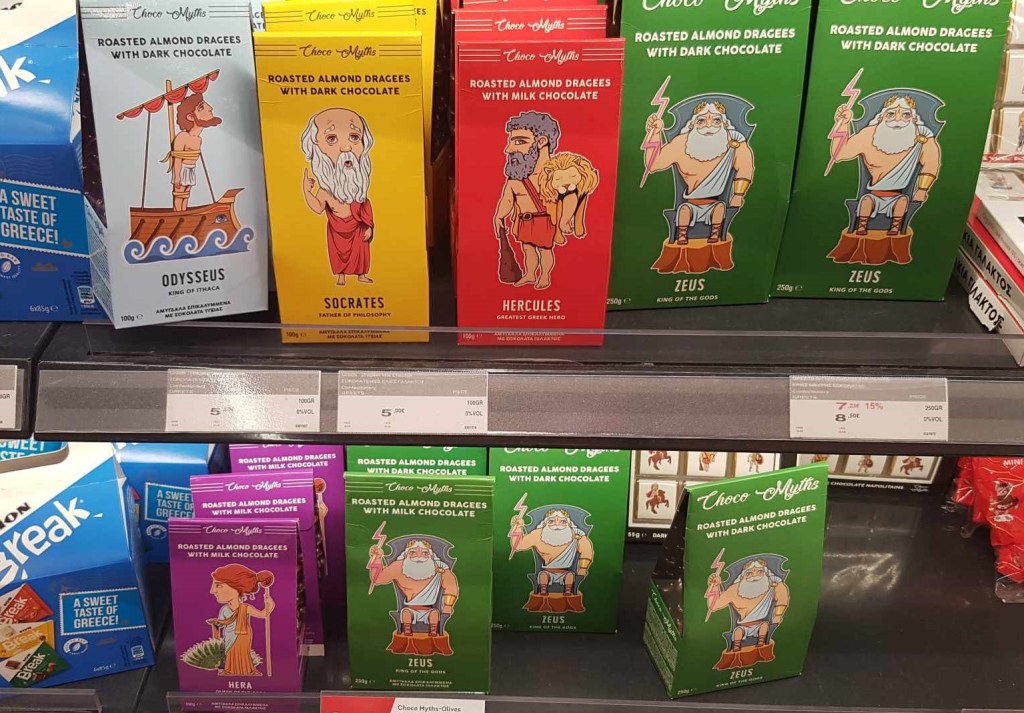


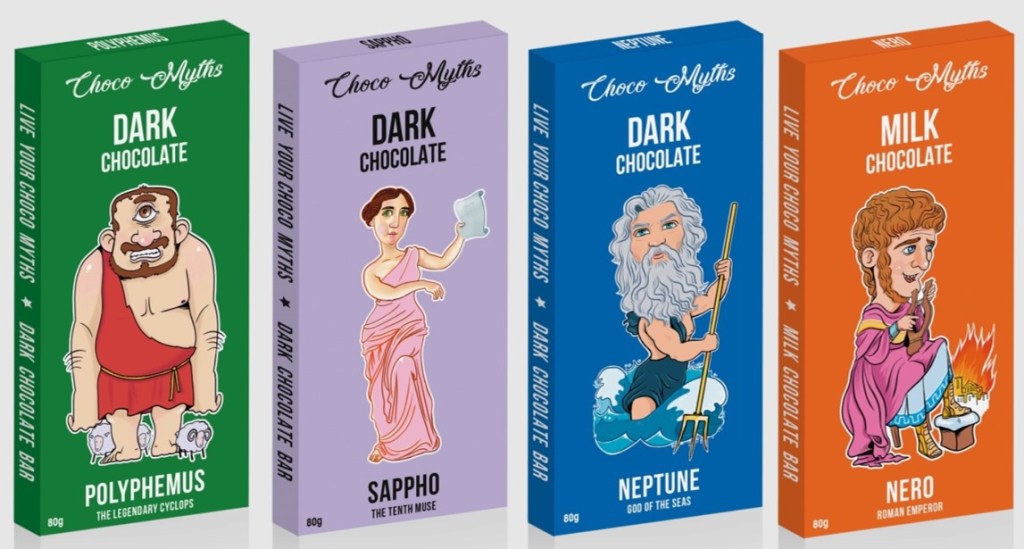


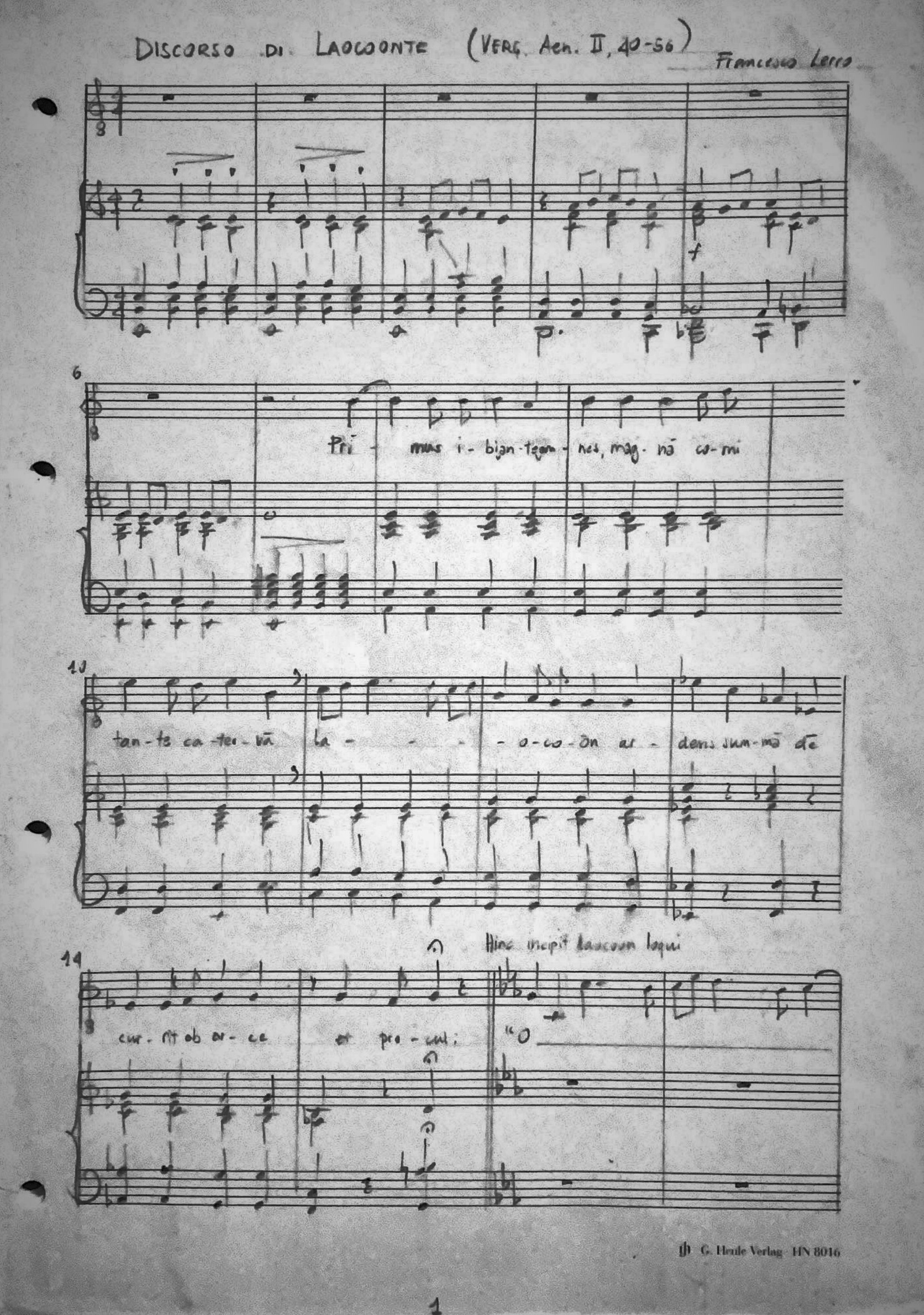
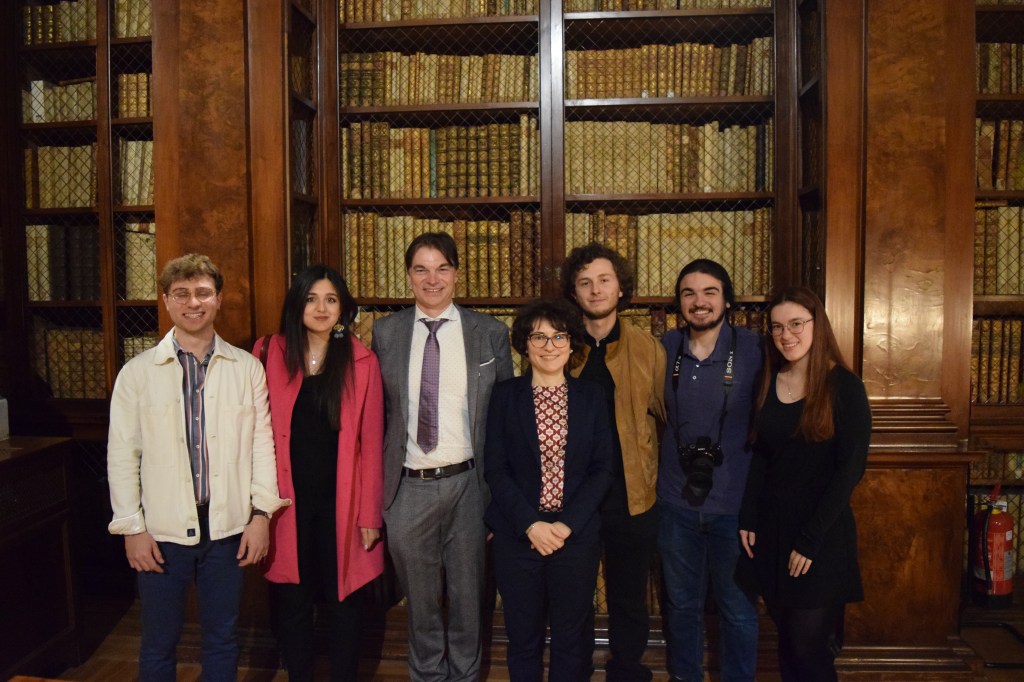

 Our Mythical Childhood Blog
-19.jpg)


