Blog for the international research project "Our Mythical Childhood… The Reception of Classical Antiquity in Children’s and Young Adults’ Culture in Response to Regional and Global Challenges", financed by the ERC Consolidator Grant led by Prof. Katarzyna Marciniak, Faculty of "Artes Liberales" of the University of Warsaw. Team members: Prof. Susan Deacy and Steve K. Simons, University of Roehampton; Prof. Elizabeth Hale and Dr Miriam Riverlea, University of New England; Prof. Lisa Maurice and Dr Ayelet Peer, Bar-Ilan University; Prof. Daniel A. Nkemleke, Dr Divine Che Neba and Dr Eleanor A. Dasi, University of Yaoundé I; Dr Elżbieta Olechowska, Dr Hanna Paulouskaya, Dr Sonya Nevin, Dott. Edoardo Pecchini, Marta Pszczolińska, Angelina Gerus and the Project Officers: Magdalena Andersen, Maria Makarewicz, and Olga Strycharczyk from the Faculty of "Artes Liberales" UW.
As the Modern Argonauts make their final preparations to set sail on the high seas of the Internet, teachers from different continents and their students have been testing lessons created for The Modern Argonauts Handbook (available soon in Open Access!). Among them is the Franky Comprehensive Secondary Schoolin Yaoundé, Cameroon.
Franky Comprehensive Secondary School.
Ms Cynthia Fokwang, the Literature teacher there, shared photos from the lesson about Dionysus.
Lesson about Dionysus, Franky Comprehensive Secondary School in Yaoundé, Cameroon.
Lesson about Dionysus, Franky Comprehensive Secondary School in Yaoundé, Cameroon.
Lesson about Dionysus, Franky Comprehensive Secondary School in Yaoundé, Cameroon.
The class was based on the scenario Meet Dionysus written by Dr Elżbieta Olechowska from the University of Warsaw, within the project “Modern Argonauts: A Multicultural Educational Programme Preparing Young People for Contemporary Challenges through an Innovative Use of Classical Mythology” led by Prof. Katarzyna Marciniak within the European Rearch Council Proof of Concept Grant.
We are most grateful to the School Principal Mr Marius Verye Berinyuy, Ms Cynthia Fokwang, and the Students for being with us on this educational journey! Your feedback is of great help in the work on the final shape of the lesson. Our special gratitude goes to Prof. Daniel A. Nkemleke from the University of Yaoundé 1, our long-time team member in the Our Mythical Childhood programme, who put us in touch with the School.
We are most pleased to share the great news. Dr Sonya Nevin has joined Hughes Hall as a by-fellow (a research post). Dr Nevin is also a supervisor (an academic post for small group teaching), and a tutor (a pastoral care role).
Hughes Hall is one of the 31 colleges that belong to the University of Cambridge. It accepts postgraduate and mature undergraduate students, with a very international community. It has a strong showing in education, law, and finance, though it takes students from other subjects too. It prides itself on developing students’ skills and having good contacts with the wider world.
Margaret Wileman Building, the main building of the Hughes Hall, designed by William Fawcett, inaugurated in 1895. Phot. Sonya Nevin.Hughes Hall shield with the owl, symbol of wisdom, and the torch, sign of enlightenment and truth. Phot. Sonya Nevin.
Acknowledgements We are most grateful to Professor Katarzyna Marciniak and her team at the University of Warsaw for this opportunity to publish coursework by University of Roehampton Study Abroad. Below statement and essay by international student Alexandria Kilmartin who joined us at Roehampton all the way from Australia.
***
My name is Alexandria Kilmartin, but I go by Alex, and I am a study abroad student at the University of Roehampton. When not abroad, I study at Macquarie University, in Sydney, Australia, where I am completing a double degree of a Bachelor of Arts, majoring in Ancient History and a Bachelor of Linguistics and Language Sciences. I am a first-generation University student in my family and when I complete my undergraduate studies, I am aiming towards completing a masters in either speech pathology or furthering my historical research studies. Personally, and in my leisure time, I enjoy reading novels, I love the beach and going on long walks and getting coffees with my friends. I decided to select the Art & Life in the Ancient World course at Roehampton because I have always loved and appreciated art, and I was intrigued in developing deeper ideas surrounding art in Antiquity. The course connected with my purpose and decision to select the University of Roehampton and its specific location in proximity to the British Museum, as it has been a dream of mine to visit.
The Art & Life in the Ancient World module has significantly impacted how I view, interpret and interact with ancient art and has helped me develop ideas and evolve concepts in my academic work. Winklemann’s ideas originally interested me because of his perception of aesthetic and beauty standards. His ideas are incredibly evident in society today and, drawing from personal experiences as a young woman, I feel the connection between beauty and (face) value. Many ideas that are elaborated on in my essay I personally resonate with and that is why I was and am so passionate about this topic. I wanted to acknowledge that ideas of beauty are multifaceted and that beauty is in the eye of the beholder. Having the opportunity to be able to publish my work is an incredible opportunity and I am honoured to have been considered for this. I believe that this opportunity will significantly help my career in an overwhelmingly positive way and help me take a step closer to achieving my academic goals of completing a masters, furthering my education and deeper understanding of the world.
To what extent can we apply Winckelmann’s ideas about beauty to small and portable functional objects from Classical Antiquity? Discuss with reference to at least two objects.
Johann Joachim Winckelmann (1717–1768) has provided valuable ideas and perspectives on aesthetic, beauty, knowledge and understanding in his 1764 publication History of the Art of Antiquity (Geschichte der Kunst des Alterthums, 1764).[1] Winckelmann has significantly contributed and inspired the classical archaeology discipline and study of neoclassical art. This essay will elaborate on how Winckelmann’s ideas about beauty can be successfully placed on humble, portable and functional objects. The pieces under discussion are a “Bronze Mirror with a support in the form of a draped woman” (mid-5th century BCE)[2] and secondly a “clay lekythos” (1st quarter of 5th century BCE) attributed to the Manner of the Haimon Painter.[3]
These functional objects are kept in the Metropolitan Museum of Art in New York and the study of these humble objects with reference to Winckelmann’s ideas can significantly contribute to an understanding of the importance of beauty juxtaposed to functionality, and if these concepts are exclusive. I will argue that Winckelmann’s ideas of subjective aesthetics can be used as a foundational assessment in attributing beauty and overall purpose. Specifically, that a more nuanced and less context-specific approach is required in assessing beauty and that functionality is more significant and equally as beautiful. There is scope for a more in-depth study of small finds in museum collections for a broader appreciation of ancient art and life.
Figure 1 Anton Raphael Mengs, Johann Joachim Winckelmann (1717–1768), ca. 1777, The Metropolitan Museum of Art, no. 48.141, Public Domain [source].
Winckelmann is commonly attributed as “a source of inspiration for neo-classical art in the late eighteenth and early nineteenth century” and is seen as the father of the classical archaeology discipline.[4] His History of the Art of Antiquity became a foundational text in neoclassical thought, shaping ideas about specific aesthetics and the idealized European body. Winckelmann believed that Greek art was the epitome of artistic creation and the experience of viewing it provoked joy. Based primarily on sculpture of the human physique, Winckelmann’s ideas are characterized by an unrealistic physical representation of the most elite and sophisticated Greek aesthetics. Winckelmann’s ideas assessed aesthetics in a philosophical and context specific manner that inspired subsequent generations of historians, artists and museum professionals. His publications encouraged enlightened intellectual inquiry on art history and philosophical aesthetics in eighteenth-century Germany. Classical scholar Katherine Harloe, for example, explores how Winckelmann’s ideas impacted German classicists from the 1840s.[5]
In my view, Winckelmann’s ideas provoke thoughtful discussions about ancient objects, their representations, and their surrounding context. The objects selected have been chosen because of their interaction with and representation of the human body, as well as their functional incorporation of movement. A key idea of Winckelmann’s “Rules of perspective” is that “[a]ll the arts have a double goal: they should give pleasure and at the same time instruct”.[6] This highlights that Winckelmann believed that something should be learnt from art. Thus, the objects under discussion are significant and I believe that the basic principles of Winckelmann’s ideas can be applied. Arguably, the rich historical, social and human interactions with functional material culture and the aesthetics of daily life are all ultimately beautiful and educational.
Figure 2 Greek, Argive bronze mirror with a support in the form of a draped woman, mid-5th century BCE, The Metropolitan Museum of Art (number 1972.118.78) [source].
The first object under analysis is a finely crafted bronze mirror from the mid-5th century BCE (Figure 2). The mirror incorporates a statuette of a three-dimensional female figure as a base that supports the mirror. The design of a statuette figure in a functional object is a “hallmark of Greek art”[7], thus I believe that this particular representation of the human body would be an object that Winckelmann’s ideas can be applied to. The mirror features a collection of lively elements such as a human figure as well as animal and mythological creatures. Winged Erotes fly above the female statue’s head. Surrounding the mirrored disk are symmetrical pairs of hounds chasing hares, leading to the top of the mirror where a part bird, part woman siren is perched. Made out of a bronze, approximately 40,4 cm heigh and weighing 0,9 kg, the mirror was found in an Argive grave. The object relates to the human body by sensory, visual and physical touch experiences and displays visual aspects that reflect the classical period and context in which it was made.
The imagery and simplistic action of the woman ultimately holding up the mirrored disk contributes to a deeper metaphor and symbolism of beauty and connects to Winckelmann’s ideas about aesthetics. The stance and posture of the female statuette supports the mirror, simultaneously supporting the female or user of the mirror in their quest for beauty and their interaction with their appearance. “Her serious expression and quiet stance are typical of the retrained early Classical statues that were created from about 480 to 450 BC”, according to the MET online entry.[8] This mirror preserves and perpetuates symbolism of an idea of beauty that must be obtained, societal standards and epitome of beauty and self image. The entirety of the object includes symbolic motifs of beauty and subconscious undertones of elements of feminity. The object itself serves a functional purpose of providing a reflection. The statuette that supports the mirror is beautiful and delicate as it does reflect and reminds the viewer of monumental statues in stone, such as marble statues of Archaic korai dedicated on the Athenian Acropolis. Although the statuette aesthetically contributes to the overall beauty of the mirror, ultimately the most beautiful person is the user of the mirror and the human whose reflection is present. The functionality of the mirror provides a valuable and non-context specific idea of beauty that can be related to any human who uses the mirror.
Figure 3 Attributed to the manner of the Haimon Painter, Greek, Attic lekythos, 1st quarter of 5th century BCE, The Metropolitan Museum of Art (number 41.162.226) [source].
The second object chosen for discussion in reference to Winckelmann’s ideas is a cursorily decorated oil flask, a lekythos from ca. 480 BCE (Figure 3). The lekythos depicts a four-horse chariot, a charioteer and a warrior. Originating from the late Archaic period the medium used is terracotta and the technique is black figure. This is a small container of oil that measures approximately 18 cm. The lekythos is connected to Athens’ international trade and to how “between ca. 500 to 450 BCE Mediterranean markets were flooded with low grade products in black figure”.[9] The lekythos depicts the Apobates Race, in which a fully armed warrior, the apobates, jumped off a four-horse chariot, ran alongside it, and mounted the charion again. The image is symbolic of athletic achievement and victory at the Panathenaia, Athens’ most celebrated religious festival. Thus, the iconography is connected with Winckelmann’s ideas about the human body and its capabilities. Unlike the finely crafted and detailed sculptures in which Winckelmann’s views are mostly applied to, the lekythos lacks detail and refinement in its decoration. Nonetheless, it depicts a most significant Athenian cultural event and that is what makes it culturally important and pleasing to the eye.
Although Winckelmann’s ideas may have only specifically been intended for sculpture and the human body, particular ideas about beauty can be reimagined also in the context of humble and everyday functional objects. Ultimately, these objects immortalize beauty and remind us that beauty is in the eye of the beholder. Aesthetically, the mirror statuette is more beautiful than the sketchy drawing on the oil flask. The human figures on the lekythos lack any anatomical details. Winckelmann does state that “[t]he most beautiful human body in our world would probably not resemble the most beautiful Greek body”[10] and argues that the idealistic bodies sculpted were acquired through their lifestyle. To me, this signals an elite culture of training in the gymnasium and enjoying healthy food ways. Both objects, the mirror and the lekythos, require functional and bodily interactions when placed in the hands of ancient participants. More importantly perhaps, both objects related to ancient beautification and body care. A woman presumably saw her reflection in the mirror. Another person probably used the olive oil in the lekythos to spice food and/or for skin care after exercising. The mirror signals a pleasing appearance where one acts and sculpts one’s appearance to fit the cultural context of beauty, presumably as in monumental religious objects such as the Acropolis korai. Similarly, the lekythos depicts a male in his prime physical fitness who is able to run besides horses. The lekythos also incorporates the action of achievement and greatness which embodies accomplishment, the human spirit and its idealism.
Winckelmann’s formulations encompass multiple imaginary ideas about perfection and the capabilities of the (male) human body. They may apply to a beautifully crafted mirror handle and a drawing of a warrior-athlete, even when both these representations of the human form are small scale and entangled with the function of their respective objects. Surely, Winckelmann’s ideas are rigid and context-specific. Nonetheless, they hold merit and can be applied to small and portable functional objects from ancient art and life. Although these objects are not grand and fine artistic creations, they represent how functionality and beauty need not be mutually exclusive. Winckelmann’s ideas can serve as a platform to nuance the study of daily-life objects from the ancient world, beyond monumental sculpture and architecture that tend to receive masses of scholarly attention.
[1] Johann Joachim Winckelmann, “History of the Art of Antiquity”, in: Johann Joachim Winckelmann and David Carter, Johann Joachim Winckelmann on Art, Architecture, and Archaeology, trans., introduction and notes by David Carter, Rochester (NY): Camden House, 2013, pp. 32–55, 127–128.
[4] Amy C. Smith, “Winckelmann, Greek Masterpieces, and Architectural Sculpture. Prolegomena to a History of Classical Archaeology in Museums”, in: Achim Lichtenberger and Rubina Raja, eds., The Diversity of Classical Archaeology, “Studies in Classical Archaeology” 1, Turnhout: Brepols, 2017, pp. 1–33, via Central Archive at the University of Reading, https://centaur.reading.ac.uk/70169/1/Smith2018_preprint.pdf (accessed 3 November 2025).
[5] Eric M. Moormann, “[Review of] Winckelmann and Curiosity in the 18th-Century Gentleman’s Library: Christ Church Upper Library, 29 June – 26 October 2018 by Cristina Neagu, Katherine Harloe, and Amy Claire Smith”, Bryn Mawr Classical Review (2019) 2019.02.20, https://bmcr.brynmawr.edu/2019/2019.02.20 (accessed 3 November 2025).
[6] Johann Joachim Winckelmann, “History of the Art of Antiquity”.
[7] “Bronze mirror with a support in the form of a draped woman”, The Metropolitan Museum of Art.
[8] Ibidem.
[9] Jenifer Neils and Peter Schultz. “Erechtheus and the Apobates Race on the Parthenon Frieze (North XI–XII)”, American Journal of Archaeology, vol. 116, no. 2, 2012, pp. 195–200, DOI: 10.3764/aja.116.2.0195 (accessed 3 November 2025).
[10] Johann Joachim Winckelmann, “History of the Art of Antiquity”.
Moormann, Eric M. “[Review of] Winckelmann and Curiosity in the 18th-Century Gentleman’s Library: Christ Church Upper Library, 29 June – 26 October 2018 by Cristina Neagu, Katherine Harloe, and Amy Claire Smith”, Bryn Mawr Classical Review (2019) 2019.02.20, https://bmcr.brynmawr.edu/2019/2019.02.20 (accessed 3 November 2025).
Neils, Jenifer and Peter Schultz. “Erechtheus and the Apobates Race on the Parthenon Frieze (North XI–XII)”, American Journal of Archaeology, vol. 116, no. 2, 2012, pp. 195–200, DOI: 10.3764/aja.116.2.0195 (accessed 3 November 2025).
Orrells, Daniel “[Review of] Winckelmann and the Invention of Antiquity: History and Aesthetics in the Age of Altertumswissenschaft. Classical presences by Katherine Harloe”, Bryn Mawr Classical Review (2014) 2014.12.06, https://bmcr.brynmawr.edu/2014/2014.12.06 (accessed 3 November 2025).
Smith, Amy C. “Winckelmann, Greek Masterpieces, and Architectural Sculpture. Prolegomena to a History of Classical Archaeology in Museums”, in: Achim Lichtenberger and Rubina Raja, eds., The Diversity of Classical Archaeology, “Studies in Classical Archaeology” 1, Turnhout: Brepols, 2017, pp. 1–33, via Central Archive at the University of Reading, https://centaur.reading.ac.uk/70169/1/Smith2018_preprint.pdf (accessed 3 November 2025).
Winckelmann, Johann Joachim “History of the Art of Antiquity”, in: Johann Joachim Winckelmann and David Carter, Johann Joachim Winckelmann on Art, Architecture, and Archaeology, trans., introduction and notes by David Carter, Rochester (NY): Camden House, 2013, pp. 32–55, 127–128.
Post by Alexandria Kilmartin, prepared under tutorship by Dr Katerina Volioti, placed by Olga Strycharczyk
On 21–22 November 2025 Dr Hanna Paulouskaya, Marta Pszczolińska, and Anna Baranek from the Centre for Studies on the Classical Tradition (OBTA) at the University of Warsaw took part in the Annual Meeting of Postgraduates in the Reception of the Ancient World. The conference was organized by the Malta Classics Association at the Department of Classics and Archeology of the University of Malta. This time it was an online event.
The talks were given within the panel “Comics, Illustrations and Games” and are available online:
Hanna Paulouskaya, The Beginnings Added at the End: A Project on the Origins of Soviet Mythological Animation
Marta Pszczolińska, Comics in Latin as an effective incentive for learning the language and ancient culture – case study of Impluvius et Compluvius apud Sarmatas
Anna Baranek, “Our Hero Henry…”: Video Game Protagonists as a Contemporary Extension of Mythical Heroes
The day of the award ceremony was very eventful; instead of a quiet breakfast, interviews with countless Bavarian radio stations began at 8 a.m. Then, a brisk sprint to the futuristically designed Axica Hall in Berlin, situated between the venerable Hotel Adlon and the Brandenburg Gate, was followed by the beginning of the ceremony. After a cool performance by poetry slammer and cabaret artist Lars Ruppel, the first certificates were presented by Jurors renowned in the field of education. The board of the Heraeus Educational Foundation and the German Philologists’ Association then offered their warm congratulations to the teachers.
Dr Michael Stierstorfer receveing the German Teacher Award in the “Outstanding Educators” category – phot. Lehrkräftepreis [source].
In conversation, the very charming host, Alexandra Heraeus, told me that she also lives in Bavaria (Germany) near the school of Schäftlarn. What a small world. An invitation to the monastery was immediately extended. Next, our upper school students appeared on the big screen and explained to the experts what, in their view, constitutes outstanding teaching and what makes an exceptional teacher.
Laureates of the German Teacher Award for “Outstanding Educators”, for innovative teaching methods and exemplary school management – phot. Tagesschau [source].
After a performance by education influencer Emily Hornbach, the other prizes in categories such as “Innovative Teaching”, “Cultural Education”, and “Environment and Sustainability” were awarded. At the end of this brilliant ceremony, numerous interviews followed with BR, ZDF-Phoenix, and other audiovisual media. After this press marathon, delicious snacks were served to restore everyone’s strength, which rounded off the event perfectly. Here are excerpts from the Jury’s reasoning for my award: Special qualities according to the students include creative, innovative, and future-oriented teaching, enthusiasm, extensive use of modern media and techniques, integration of external experts into lessons, strong commitment, and the incorporation of the students’ own world into the classroom. (German Teacher Award – Innovative Teaching)
A reportage by the SAT.1 Bayern TV.
Quotations from students’ assessment: Overall, in our opinion, Mr. Stierstorfer is the most innovative teacher in the country – after all, which other teacher has their own YouTube channel?
Mr. Stierstorfer inspires us with enthusiasm and motivation because he is cheerful when he comes to class every day, always gives appropriate feedback, and his enthusiasm is contagious, as he wants to bring out the best in each of us.
In Mr. Stierstorfer’s classes, everyone can be themselves because he gives feedback at eye level and, through his joyous and strongly optimistic manner, also supports students who are average or weaker.
Moreover, Mr. Stierstorfer consistently stands up for his democratic and humanistic values, which are also reflected in the topics of our “Booktubes”, ranging from political issues to inclusion.
He is the creative “super teacher” at our school and a genuinely great character!
He always tries, by all means, to make something special possible for his students –something that will remain in our life memories.
Mr. Stierstorfer fulfills all the criteria you have mentioned outstandingly.
Mr. Stierstorfer is truly a teacher with heart and soul and a considerable portion of humorous creativity, which for us students is the absolute non plus ultra. That’s why many grades always hope to have him as their teacher.
[…] In this context, he also created an innovative learning circle, which we found very enriching for our lessons because it contained great visuals along with vocabulary and grammar aids. This circle focuses on the popular topic of the reception of Ovid’s Metamorphoses.
Der Tag der Verleihung war sehr ereignisreich, anstatt eines ruhigen Frühstücks standen ab 8 Uhr Interviews mit unzähligen bayerischen Radiosendern an. Dann ging die Verleihung nach einem sportlichen Sprint zur futuristisch designten Axica-Halle in Berlin, die zwischen dem altehrwürdigen Hotel Adlon und dem Brandenburger Tor gelegen ist, die Verleihung los. Nach einer coolen Poetry-Slammer Performance von Kabarettist Lars Ruppel, wurden die ersten Urkunden von den namhaften Jurorinnen und Juroren aus der Bildungsszene vergeben: Der Vorstand der Heraeus Bildungsstiftung und der des Deutschen Philologenverbands gratulierten sodann uns Lehrkräften sehr herzlich.
Dr. Michael Stierstorfer bei der Verleihung des Deutschen Lehrkräftepreises in der Kategorie „herausragende Lehrkräfte“ – Foto: Lehrkräftepreis [source].
Im Gespräch verriet mir die sehr sympathische Gastgeberin Alexandra Heraeus, dass sie ebenso im Bundesland Bayern (Deutschland) und sogar ganz in der Nähe des Klosters Schäftlarn wohne. So klein ist die Welt. Eine Einladung ins Kloster wurde sogleich ausgesprochen. Als Nächstes erschienen unsere Oberstufenschülerinnen und Schüler auf Großleinwand und erklärten den Experten, was in ihren Augen herausragender Unterricht sei und was eine besondere Lehrkraft ausmache.
Die Preisträgerinnen und Preisträger des Deutschen Lehrkräftepreises in den Kategorien „herausragende Lehrkräfte“, „Unterricht innovativ“ und „vorbildliche Schulleitung“ – Foto: Tagesschau [source].
Nach einem Auftritt der Bildungsinfluencerin Emily Hornbach wurden noch die anderen Preise der anderen Kategorien wie „Unterricht Innovativ“, „Kulturelle Bildung“ oder „Umwelt und Nachhaltigkeit“ verliehen. Am Ende dieser genialen Verleihung folgten noch zahlreiche Interviews mit dem BR, ZDF-Phoenix und anderen audiovisuellen Medien. Nach diesem Presse-Marathon gab es zur Stärkung des leiblichen Wohls sehr leckere Häppchen, wodurch die Veranstaltung passend abgerundet wurde. Auszüge aus der Jury-Begründung für meinen Preis finden sich hier: Besondere Eigenschaften laut Schülerinnen und Schülern: Kreativer, innovativer und zukunftsorientierter Unterricht, Begeisterungsfähigkeit, umfangreicher Einsatz moderner Medien und Techniken, Einbindung externer Experten in den Unterricht, hohes Engagement, Integration der Lebenswelt der Schülerinnen und Schüler in den Unterricht. (Deutsche Lehrkräftepreis – Unterricht innovativ)
Eine Fernseh-Reportage von Sat. 1 Bayern.
Direktes Lob von Schülerinnen und Schülern: Insgesamt ist Herr Stierstorfer – also unserer Meinung nach – der innovativste Lehrer im Land, oder welche Lehrkraft hat schon seinen eigenen Youtube-Channel?
Herr Stierstorfer steckt uns dadurch mit Begeisterung und Motivation an, dass er jeden Tag gut gelaunt ist, stets passendes Feedback gibt und sein Enthusiasmus auf uns überspringt, weil er aus jedem von uns das Beste herausholen will.
Im Unterricht von Herrn Stierstorfer kann jeder er selbst sein, weil er den Schülern das Feedback auf Augenhöhe gibt und auch mittlere und schlechtere Schüler durch seine positive und stark optimistische Art mitzieht.
Zuletzt steht Herr Stierstorfer stets für seine demokratischen und humanistischen Werte ein und dies zeigen auch die Themenfelder unserer Booktubes, die von politischen Aspekten bis hin zu Inklusion reichen.
Er der kreativköpfige Superlehrer unserer Schule und ein super Charakter!
Er versucht immer mit allen Mitteln seinen Schülerinnen und Schülern etwas Besonderes zu ermöglichen, was uns fürs Leben im Gedächtnis bleiben soll.
Herr Stierstorfer erfüllt all die von Ihnen genannten Kriterien in herausragender Weise.
Herr Stierstorfer ist wirklich Lehrer mit Leib und Seele und einer riesigen Portion lustiger Kreativität, das ist für uns Schüler das non plus ultra. Daher wünschen sich viele Klassen stets ihn als Lehrer.
[…] In diesem Kontext hat er auch einen innovativen Lernzirkel erstellt, den wir für den Unterricht sehr bereichernd fanden, weil darin tolle Bilder mit Vokabel- und Grammatikhilfen sind.
Acknowledgements We are extremely grateful to Professor Katarzyna Marciniak for enabling, once again this year, the publication of student work in the blog of international research project Our Mythical Childhood. International collaborations mean a lot to the Study Abroad Team of the University of Roehampton, and to me personally, Katerina Volioti, as teacher and facilitator of multidisciplinary modules in practical Humanities.
***
My name is Rachel Rajamoney, and I’m currently pursuing a B.S. in Data Science with a minor in Mathematics at Texas Christian University, where I’m also a member of the John V. Roach Honors College. I’m studying abroad this term (Spring 2025) at the University of Roehampton in London, which has given me the opportunity to engage deeply with interdisciplinary perspectives, particularly through the Art & Life module. This class challenged me to look beyond data and code and consider the cultural and embodied dimensions of ancient artifacts.
Through this assignment, I’ve not only developed stronger research and analytical skills, but also advanced my abilities in public speaking, visual communication, and critical storytelling – skills that are essential both in academic and professional environments. My academic background in artificial intelligence and data science shaped how I approached the digital museum critique, especially in recognizing the missed potential for immersive and interactive technologies like VR, haptics, and AI-driven storytelling to restore context and meaning to historical objects.
As someone aspiring to a career that bridges quantitative analysis and strategic decision-making, whether in capital markets, technology, or cultural analytics, this experience reminded me that data is not just numerical. It is narrative. Digital humanities and AI can play a powerful role in revitalizing our relationship with the ancient world, not by replacing human interpretation, but by expanding access, interactivity, and imagination in how we engage with the past.
Before I begin, I’d like to acknowledge the remarkable efforts of curators and museum professionals who care for ancient objects like the Portland Vase. While my presentation offers a critique of certain curatorial approaches, it is not intended to diminish their work. Rather, I approach this as an engaged member of the public – someone with a strong interest in both material culture and digital innovation. I hope to contribute constructively to ongoing conversations about how museums might experiment with new tools that enhance public understanding, especially through sensory engagement and storytelling. This presentation is offered in the spirit of shared curiosity and collaborative improvement.
Today, we’ll discuss the Portland Vase, a Roman cameo-glass masterpiece, dating broadly to 1–25 CE.[1] Named after the Duke of Portland, one of its former owners, the vase is renowned for its unique layered glass decoration, likely imitating monumental sculpture, making it unparalleled in Classical Antiquity. But it was never meant to be a museum artifact. I’ll unravel how people engage bodily with this wine jar as an embodied object, arguing that its museum afterlife renders it disembodied.
In elite Roman symposia, the Portland Vase was no passive ornament but an active participant in wine service and hospitality. While other Roman glass vessels existed, none matched the Portland Vase’s technical sophistication or narrative complexity, it remains unparalleled. William Gudenrath, Kenneth Painter, and David Whitehouse’s technical analysis reveals the vase was blown and cased with opaque white over deep blue glass, then meticulously carved, a process requiring such precision that modern reproductions often fail.[2] Maude Haywood notes, in The Decorator and Furnisher, that even Wedgwood’s famed reproductions couldn’t replicate its layered glass technique.[3] This confirms its status as a masterwork of Roman glass technology. When handled during symposia, its mythological scenes – such as that of Peleus and Thetis – provoked philosophical discourse about desire and restraint. The vase became an item of otium, with its luxurious materiality reflecting the elite’s leisure while its myths exposed their vulnerability. Servants transported it between triclinia with ritual care, its fragility underscoring its status, until ultimately accompanying its owner as a funerary object, completing what Newby calls the performance cycle of Roman identity.[4]
A quote from Ian Hodder, Entangled: An Archaeology of the Relationships Between Humans and Things (2012).
This vase acted on people: its beauty commanded reverence, its myths provoked intellectual discourse about morality and human nature. It was multisensory: seen, held, and debated. This was bodily entanglement: the vase mediated social bonds, much as Ian Hodder describes in Entangled: An Archaeology of the Relationships Between Humans and Things – objects act on us as we act with them.[5] Its myths weren’t mere decoration. They sparked sophisticated debates about power and desire, reflecting the owner’s paideia (education) and otium (elite leisure, opposite of negotium, referring to business and political activity). Buried with elites, it transitioned from status symbol to funerary companion, reflecting what Zahra Newby calls identity curation through Greek myths.[6] The vase was a conversation piece in the deepest sense: literally passed around, critically examined, and interpreted through learned discussion.
But this entanglement required intimacy: the warmth of hands and the sound of thoughtful voices.[7] How does that translate today?
Today, the Portland Vase is preserved behind glass in a climate-controlled case in Gallery 70. At present, the British Museum does not offer a three-dimensional (3D) model of the vase. The online platform Sketchfab, however, features a 3D model.[8] However, while helpful, these features only partially convey the object’s materiality. The 3D model allows for rotation, but it lacks cues for scale or sensory context – what American Journal of Archaeology (AJA) reviewers criticize as “decontextualized beauty”. As the AJA’s review “Online Encounters with Museum Antiquities” notes, museums remain primary sites of exchange yet often provide only partial digital access.[9] As Romina Delia writes in “Performances. Contemporary Encounters in Historic Spaces” in The Contemporary Museum: Shaping Museums for the Global Now, museums risk becoming “stages without actors” when they overlook storytelling.[10] Here, the vase remains a silent actor. The vase’s potential for theatrical digital storytelling, such as VR experiences simulating symposia or interactive touch replicas, remains largely untapped.
This is not to criticize but to imagine what might be possible. A more immersive and interpretive approach could enrich the museum’s educational mission by reviving the vase’s embodied social life. While the entry documents materials and style, it could build on that foundation with richer contextual experiences – an exciting opportunity for deeper engagement.
MET Museum’s Boscoreale Villa Recreation, ca. 50–40 BCE, The Metropolitan Museum, no. 03.14.13a–g [source].
Compare this to the Metropolitan Museum’s Boscoreale Villa recreation, where visitors virtually enter a complete Roman dining room that mirrors the original context of vessels like the Portland Vase. Other museums, like the Digital Museum of the Acropolis Museum in Athens, also offer innovative ways to contextualize artifacts through virtual environments. For the Portland Vase, similar tools could simulate handling, letting users feel its weight or pour virtual wine while immersed in its proper architectural setting. The MET’s approach aligns with the International Council of Museums (ICOM), which calls for museums to foster dialogue, not merely display. According to ICOM, “A museum is a not-for-profit, permanent institution in the service of society that researches, collects, conserves, interprets and exhibits tangible and intangible heritage. Open to the public, accessible and inclusive, museums foster diversity and sustainability. They operate and communicate ethically, professionally and with the participation of communities, offering varied experiences for education, enjoyment, reflection and knowledge sharing”.[11]
While the British Museum emphasizes global dialogue, the Portland Vase is presented as a timeless relic. Even the lighting in displays, whether in person or online, can sterilize objects, removing shadows and tactile cues. The vase becomes art, not a lived object. As Hodder argues in Entangled: An Archaeology of the Relationships Between Humans and Things, entanglement is multisensory. To fully activate the museum’s educational potential, institutions might explore new digital strategies such as VR recreations of Roman villas or curated digital symposia. As Mary W. Hudson notes in the Fine Arts Journal, the vase’s modest 25 cm scale belies its artistic and social significance.[12] The current dissonance between ancient use and modern presentation signals a compelling opportunity for digital storytelling – not as criticism, but as collaborative imagination.
The BM’s online entry could also benefit from curator voices and layered interpretations – what Cintia Velázquez Marroni calls “expert dialogues” in the “Pasts. Authoring National Histories in the Contemporary City”in The Contemporary Museum: Shaping Museums for the Global Now.[13] Why not a digital symposium or interactive educational module as seen with other Roman objects? These suggestions aim to support, not replace, existing efforts by highlighting ways to expand the museum’s digital reach.
The vase’s itinerary, from tactile Roman rituals to pixelated isolation, reveals a choice. While common Roman glassware existed, the Portland Vase’s uniqueness demands exceptional care in its digital presentation. Institutions could look to models like the Vatican’s embodied digital strategies, such as their virtual Sistine Chapel tour, to inspire similar efforts for ancient artifacts.[14] These strategies could allow viewers to engage with the vase through sound, movement, and storytelling. While the British Museum’s online entry provides scholarly data, it strips away the object’s ancient social and sensory entanglements. For the vase to remain culturally alive, museums may need to work harder to bridge the gap between artifact and audience, transforming static displays into dynamic encounters. True preservation means reviving an object’s relationships, not just conserving its form.
In closing, I want to emphasize that my critique arises from deep admiration for the Portland Vase and the institutions that care for it, including the British Museum and others. The British Museum has preserved this masterpiece for future generations, and its online access is an important step. My hope is that this presentation contributes to a wider conversation about how we might build on such foundations, by experimenting with more immersive storytelling, multi-sensory experiences, and interactive formats. These are exciting opportunities for museums to expand their already valuable educational role.
[2] William Gudenrath, Kenneth Painter, and David Whitehouse, “The Portland Vase”, Journal of Glass Studies 32 (1990), 14, https://www.jstor.org/stable/24188029 (accessed 29 July 2025).
[3] Maude Haywood, “The Portland Vase”, The Decorator and Furnisher 14.1 (Apr. 1889), 25, https://www.jstor.org/stable/25585785 (accessed 29 July 2025).
[4] Zahra Newby, Greek Myths in Roman Art and Culture: Imagery, Values and Identity in Italy, 50 BC–AD 250, Cambridge: Cambridge University Press, 2016, 1–31.
[5] Ian Hodder, Entangled: An Archaeology of the Relationships Between Humans and Things, Oxford: Wiley–Blackwell, 2012, 89.
[6] Zahra Newby, ibidem.
[7] Jesús Muñoz Morcillo, “[Review of] The Embodied Object in Classical Antiquity by Milette Gaifman, Verity Platt, and Michael Squire”, Bryn Mawr Classical Review (2019), 2019.05.52, https://bmcr.brynmawr.edu/2019/2019.05.52 (accessed 4 August 2025).
[9] Caitlin Chien Clerkin and Bradley L. Taylor, “Online Encounters with Museum Antiquities”, American Journal of Archaeology 125.1 (January 2021), 173, https://ajaonline.org/museum-review/4249 (accessed 4 March 2025).
[10] Romina Delia, “Performances. Contemporary encounters in historic spaces”in Simon Knell, ed., The Contemporary Museum: Shaping Museums for the Global Now, London: Routledge, 2018, 128–129.
[13] Cintia Velázquez Marroni, “Pasts. Authoring national histories in the contemporary city”, in Simon Knell, ed., The Contemporary Museum: Shaping Museums for the Global Now, London: Routledge, 2018, 152–153.
Clerkin, Caitlin Chien and Bradley L. Taylor, “Online Encounters with Museum Antiquities”, American Journal of Archaeology 125.1 (January 2021), 165–175, https://ajaonline.org/museum-review/4249 (accessed 4 March 2025).
Delia, Romina, “Performances. Contemporary encounters in historic spaces”in Simon Knell, ed., The Contemporary Museum: Shaping Museums for the Global Now, London: Routledge, 2018, 128–141.
Gudenrath, William, Kenneth Painter, and David Whitehouse, “The Portland Vase”, Journal of Glass Studies 32 (1990), 14–23, https://www.jstor.org/stable/24188029 (accessed 29 July 2025).
Haywood, Maude, “The Portland Vase”, The Decorator and Furnisher 14.1 (Apr. 1889), 24–25, https://www.jstor.org/stable/25585785 (accessed 29 July 2025).
Hodder, Ian, Entangled: An Archaeology of the Relationships Between Humans and Things, Oxford: Wiley–Blackwell, 2012.
Muñoz Morcillo, Jesús, “[Review of] The Embodied Object in Classical Antiquity by Milette Gaifman, Verity Platt, and Michael Squire”, Bryn Mawr Classical Review (2019), 2019.05.52, https://bmcr.brynmawr.edu/2019/2019.05.52 (accessed 4 August 2025).
Newby, Zahra, Greek Myths in Roman Art and Culture: Imagery, Values and Identity in Italy, 50 BC–AD 250, Cambridge: Cambridge University Press, 2016.
Velázquez Marroni, Cintia, “Pasts. Authoring national histories in the contemporary city”, in Simon Knell, ed., The Contemporary Museum: Shaping Museums for the Global Now, London: Routledge, 2018, 152–166.
Post by Rachel Rajamoney, tutored by Katerina Volioti, placed by Olga Strycharczyk
Jacek Bocheński (born 29 July 1926) – a writer and a publicist watching closely contemporary times through the prism of Antiquity; a democratic opposition activist in PRL times; winner of multiple awards. The author of The Roman Trilogy (Divine Julius 1961, Naso the Poet 1969, Tiberius Caesar 2009) translated into English (2022–2023), a collection of essays Antyk po antyku (Antiquity after the Antiquity 2010, nominated for Nike Literary Award), also the author of comic books: Sąd Parysa (Judgement of Paris 1986) and Atalanta. Najlepsza biegaczka świata (Atalanta. The World’s Best Runner1991). The Judgement of Paris was published anonymously. Due to Bocheński’s opposition activities, he was banned from publishing many times and censored, and also interned during martial law. He used to write a blog, which appeared in print (Blog 2016, Justyna 2018, Ujście 2021).
Here, we would like to cordially thank Mr Jacek Bocheński for his time spent on the interview and for the open-heartedness he always shows to researchers of Antiquity, also to those at the very beginning of their path.
Aleksandra Płońska –a graduate of artes liberales curriculum at the Faculty of “Artes Liberales”, University of Warsaw. Inspired by the classes Comic Book – Internal Pages. Individual Artistic Training by Dr Przemysław Kaniecki and the seminar Our Mythical Childhood led by Prof. Katarzyna Marciniak, when these comic books were discussed, and also by the Graeco-Roman mythology and Jacek Bocheński’s works, she interviewed Jacek Bocheński and, under the guidance of Dr Hanna Paulouskaya, wrote a master’s thesis Reception of Mythology in Jacek Bocheński’s Comic Books. An Analysis of “Judgement of Paris” and “Atalanta” (2023). Here, we present fragments of her thesis.
The primary sources for my MA thesis were two comics by Jacek Bocheński – Judgement of Paris, printed in 1986, and Atalanta. The World’s Best Runner, created five years later. Both works were published by the Polish publishing house – Wydawnictwo Sport i Turystyka, founded in 1953 in Warsaw, specializing in tourist catalogues, guides, sports publications, as well as comic books until 1990, when it was transformed into a separate editorial office of another publisher – Oficyna Wydawnicza Muza. The Judgement of Paris of 1986 was graphically designed by Marek Szyszko, Polish book illustrator and till 1990 also comic books illustrator. Zdzisław Byczek was commissioned to produce the graphic design of Atalanta.
Cover of Judgement of Paris by Marek Szyszko.
Cover of Atalanta by Zdzisław Byczek.
Jacek Bocheński engaged in depicting two myths well known in culture, retold and developed many times by different authors interested in Greek and Roman mythology, because of the offer given to him by the editors. The Author, not considering himself a mythology specialist, wanted to create stories with bits of humour, in a witty form, if possible. He made use of sources available in the 1980s, among them Mythology by Jan Parandowski and Greek Myths by Robert Graves.
The Judgement of Paris is an adaptation of an ancient myth, supplied with contemporary meanings and methods of presenting stories. This comic book, because of its humorous, informal language, is directed to teens and young adults, but its design changes the perspective and appeals to older readers as well. In particular, the myth, stripped of cruel elements of the story yet retaining mature visual aspects, was adapted for readers over the age of thirteen. It not only deepens their knowledge of mythology, but also educates on aspects of democracy, stresses the role of sport culture in the life of a young man, and draws attention to the problem society struggles with – devaluation of values and instead focus on physical attractiveness. The comic book tells the whole story of the Judgement of Paris in detail, so that readers can dive into reading without any specific knowledge of mythology, and at the same time, it broadens some aspects of the myth, drawing readers into more extensive ancient threads.
Excerpts from the comic book Judgement of Paris by Jacek Bocheński and Marek Szyszko.
The Judgement of Paris met the taste of the editors of Sport i Turystyka, so they asked Bocheński if he would like to write another story. This time, the author chose the myth about the runner to refer to the subject of the magazine. The myth about Atalanta, repeated in culture since ancient times, has several inconsistent versions; however, it is most commonly associated with the Calydonian Hunt. The writer pointed out the double message of this ancient story and included in his work an alternative ending characteristic of ancient myths, which were often told in several versions. Therefore, he attempted to give the reader an unobvious mythological element to awaken curiosity for further research on their own. A broad narration of a comic gave a chance to fully tell the story of the heroine who can be interpreted through a feminist prism and influence young readers’ view on the situation of women in the world. The style of illustrations modelled on ancient characters known from famous sculptures and ancient depictions educates readers, showing them the past and inspiring them, at the same time, to appreciate the beauty of art history. The book is filled with many ancient motifs, such as clothes and characteristic ornaments, bringing young adults closer to Graeco-Roman culture. A contemporary thread that stands out is the ecological sensitivity of the main character of Artemis, but also, in contrast, the cruelty of humans towards animals.
Excerpts from the comic book Atalanta. The World’s Best Runner by Jacek Bocheński and Zdzisław Byczek.
Jacek Bocheński, in his series The Roman Trilogy, was trying to mirror the situation of contemporary people and, through allegorical language, draw attention to the reality in Poland and the world. The analysis of his comic books leads to the conclusion that the Author does not attempt to influence readers in his country but rather to use it as a didactic tool for imparting knowledge. At the same time, the comics reinterpret ancient myths in relation to contemporary problems and values, while also teaching lessons relevant to everyday life. Visual measures enabled him to create interesting material that disseminates cultural heritage through innovative depictions, allowing Jacek Bocheński to create engaging content that conveys cultural heritage through innovative depictions of mythology. All components: the cover, the title, the narrative introduction, and also the additional text complementary to the story are crucial points during the read – introduce the readers to the world of myths, broaden their knowledge on mythology, and lead them through the depicted story.
The comic books are an unusual chapter among the Author’s oeuvre. He usually addressed his works to adult readers, familiar with ancient culture. A perfect command of the historical and literary background allowed Bocheński to choose a range of topics suitable and clear to a young reader to sneak in valuable moral tips and to invite youth to further research on Antiquity. Bocheński was very agile in adapting the original content of the myths to a genre unusual for him. Despite the necessary simplifications the content remained rich in universal values and unobvious pretexts to reflect on Antiquity.
I don’t know much about comic books, but it fell to me to create one. – Jacek Bocheński in an interview by Aleksandra Płońska, 2023
Aleksandra Płońska: Did you read comic books, e.g., typical comics from the USA, about superheroes (if they were available in Poland)? Do you like this literary form? Jacek Bocheński: Well, no. I know very little about the comic book culture. These were never my kind of books, and I was not interested in comics. In general, I knew only what its structure was and what needed to be done. The pictures should show figures or stories and very little text in speech balloons coming out of the mouth, and that is what I knew about comic books. And that there is some generally recognised graphic convention to draw those pictures, and the characters have a specific appearance.
Why comics then? Was it your idea? The offer came from the weekly magazine – Sport i Turystyka, a publisher fairly distant from my interests. After all, I have never written about sport. They asked me if I could produce something popular about ancient myths in a comic book form. I thought to myself – fine, I cannot refuse such an outstretched hand. I won’t say “it is not a job for me, I don’t do that kind of things”, and said: okay, I’ll think about it. I decided this could be an interesting task. How to write it, what to do with it? I made up something I could not finally get through with: a visual artist should look at iconography of Greek vases and see how the mythical characters were depicted and, using own invention, own artistic creation, try to transfer them to a comic book, that is not to draw routinely, like it used to be in popular American comics, rather to show some entirely new, distinct style. This was my idea for the artistic part, this is how I primarily imagined it. I used to do something similar with novels: I was trying to create a very easy and interesting story based on ancient written sources and adapt it to a new literary form. However, it turned out that my idea was impossible to carry out.
Why did you choose these myths in particular and not others? The myth about the Judgement of Paris seemed to me convenient to design graphically: fairly simple, intriguing, with goddesses competing to see which of them is the most beautiful. Comics is a kind of drawn, tiny theatre play, isn’t it? I don’t know much about comic books, but it happened that I had to create one. So I needed to stage such a show where I could put very little text but also describe what is going to be in the picture, give information to the illustrator. I wrote this story in a humorous form, which Sport i Turystyka liked very much – they published it and wanted another one. And I knew it was a publisher of a certain profile, so the Greek myths I compiled should have something in common with sports and tourism. Tourism in a contemporary meaning was not a thing in Antiquity, so this seemed problematic. Whereas I drew their attention to the motif of competitiveness, which was very important in ancient (Greek) culture and present in many domains: artists competed with each other, and there were held games which are a prototype of our sport. Ancient Greeks thought about what we call sport as something that makes a man stand out. They did not do it for profit; it was pure amateur – they did it for their own ambition, to prove themselves as capable people, capable of jumping far, running fast, driving the chariot.
Hence, for example, Atalanta? It is not a well-known myth… But the runner! I found a runner – it’s just perfect for the publisher!
What is the reason for the difference in form of comics about Paris and Atalanta? The first one was printed in 1986 and the second in 1991 – this is five years difference. The second one isn’t a comic. It is a narrative, a brief story. Why? Because Janusz Stanny, who drew illustrations, was visiting Switzerland and showed them to someone, and they were bought by a Swiss publisher. Stanny, without consulting the publisher, simply sold them, disregarding the previous contract with Sport i Turystyka, as well as the one with me. I faced a situation where this comic book was not to be published. The editors of Sport i Turystyka commissioned new illustrations from Byczek, except it wasn’t going to be a comic book anymore. They asked me to write a short story based on the narrative from the script.
And yet, it seems the Atalanta is more reminiscent of a comic book than the Judgement of Paris. The Judgement has, in fact, more dialogue bubbles, Atalanta has many narrative descriptions. Descriptions are not rare in comics, but Atalanta is divided into so-called panels. Judgement of Paris has full-page drawings, without any division. Interesting. I suppose you will address this in your thesis?
Yes, I will try to describe the technical differences between the two comics. I’m also interested in what the assumption was, regarding the readers, what was the aim? Was it simply to introduce them to these myths? This was my aim, an educational and didactic aim. For the rest, I think Prof. Marciniak understands it very well. She is the author of My First Mythology, a book for children. It is a charming book. It combines its lightness, flow in the simplest story, always with some portion of educational information that enriches children’s knowledge while being also a book for adults. You can also read My First Mythology at my age and laugh out loud. A lovely book. That’s how Ms Marciniak writes.
A notable feature of Atalanta is that it has a second ending. I suppose that you didn’t stick to a single ending is a typical mythological measure. Oh, yes, there are two versions; we have a double message. I had an ambition to also pass this information to my readers. If the myth functioned in Antiquity in two different versions, my readers should be aware of it. And I won’t lecture them like a professor; it is just not my way of approaching readers, so I will explain it to them in a different, easier way.
So access to myths across different generations? Yes, and passing on myths in various forms, accessible to various generations.
Whose mythologies do you consider the best, and, regarding these comics, what contemporary or ancient sources did you use? When thinking about the authors of mythologies, one Polish author comes to mind, and his name is Zygmunt Kubiak. And imagine that when I created the Judgement of Paris as a comic book scenario, I thought I should show it to someone who knows the subject, because I didn’t consider myself a mythology expert. I read, of course, Parandowski and Graves, and used many other sources of information, even encyclopaedias, various available sources. But because I knew Zygmunt Kubiak, I called him and asked if he would like to meet with me. So we agreed to meet at a café, but he didn’t know why. I took the script of the Judgement of Paris with me, we ordered coffee and I gave Mr Zygmunt my pages (it was not a long read). I asked him to tell me if I made any mistakes. He read it and made a very serious face – so I immediately thought “oh no… I wrote some rubbish there”. And he said: why did you write this? This is not for you! You should stick to doing the serious stuff you are good at, not such nonsense. And the conversation ended. Since then, I was hiding from Zygmunt Kubiak, thinking I had absolutely discredited myself. But, you know, Zygmunt Kubiak had a completely different view on mythology. For him, it wasn’t something to be retold in a modern context and an opportunity for jokes, but a deep reflection on ancient culture. And it was a man approaching his profession very solemnly, unbelievably serious, so he believed it was a silly joke, and he wouldn’t be dealing with something like that. Plus, he remarked that I could do something wiser.
Why did you publish the Judgement of Paris anonymously? Firstly, it was necessary to hide this from the authorities. I was the editor of the first literary magazine of the Polish underground press, Zapis, which we created in 1976. It was published for five years, and then the martial law was imposed, during which I was interned, because, as you know, at that time people from the opposition were subjected to certain persecutions, not as severe as in other times of that regime, but that was under the rule of general Jaruzelski and his military. Anyway, the authorities were not supposed to know that I published in Sport i Turystyka, as it could cause some trouble for the editorial office. The second reason was that comic books were not appreciated by everyone, Zygmunt Kubiak is the best example. So I chose to use a pseudonym also out of embarrassment.
So why didn’t you decide to continue then? I don’t think they approached me with any further projects. But I admit I may not remember very well, it was thirty years ago.
Post by Aleksandra Płońska, placed by Olga Strycharczyk; the English version by Olga Strycharczyk, proofread by Elżbieta Olechowska
Sąd Parysa i Atalanta w komiksach Jacka Bocheńskiego
Jacek Bocheński (ur. 29 lipca 1926 r.) – pisarz i publicysta przyglądający się współczesności przez pryzmat antyku, działacz opozycji demokratycznej w PRL, wielokrotnie nagradzany. Autor m.in. Trylogii rzymskiej (Boski Juliusz 1961, Nazo poeta 1969, Tyberiusz Cezar 2009) przetłumaczonej na język angielski (2022–2023), zbioru esejów Antyk po antyku (2010, nominowanego do Nagrody Literackiej Nike), także autor komiksów: Sąd Parysa (1986) i Atalanta. Najlepsza biegaczka świata (1991). Sąd Parysa opublikował anonimowo, ponieważ ze względu na działalność opozycyjną Bocheński często mierzył się z zakazem druku i cenzurą, a w trakcie stanu wojennego był internowany. Prowadził blog, który został opublikowany także drukiem (Blog 2016, Justyna 2018, Ujście 2021).
W tym miejscu pragniemy bardzo serdecznie podziękować Panu Jackowi Bocheńskiemu za czas poświęcony na wywiad i za serdeczność, którą zawsze okazuje badaczom antyku – także tym na samym początku drogi naukowej.
Aleksandra Płońska – absolwentka kierunku artes liberales na Wydziale „Artes Liberales” Uniwersytetu Warszawskiego. Z inspiracji zajęciami Dr. Przemysława Kanieckiego Komiks – strony wewnętrzne. Indywidualne Szkolenie Artystyczne oraz seminarium Nasze Mityczne Dzieciństwo prowadzonym przez Prof. Katarzynę Marciniak, w trakcie którego omawiane były te utwory, a także mitologią grecko-rzymską i twórczością Jacka Bocheńskiego, przeprowadziła wywiad z Jackiem Bocheńskim i przygotowała pod kierunkiem Dr Hanny Paulouskaya pracę magisterską Recepcja mitologii w komiksach Jacka Bocheńskiego. Analiza “Sądu Parysa” i “Atalanty” (2023).Fragmenty pracy prezentujemy w niniejszym poście.
Materiałem mojej pracy magisterskiej były dwa komiksy autorstwa Jacka Bocheńskiego – wydany w 1986 roku Sąd Parysa oraz powstała pięć lat później Atalanta. Najlepsza biegaczka świata. Oba utwory opublikowało polskie Wydawnictwo Sport i Turystyka, które zostało założone w 1953 roku w Warszawie i specjalizowało się zarówno w informatorach turystycznych, przewodnikach, opracowaniach sportowych, jak i publikacjach komiksów aż do lat 90., kiedy to zostało przekształcone w odrębną redakcję Oficyny Wydawniczej Muza. Opracowaniem graficznym Sądu Parysa z 1986 roku zajął się Marek Szyszko, polski ilustrator książek i do 1990 roku rysownik komiksów. O realizację ilustracji komiksowych Atalanty redaktorzy poprosili Zdzisława Byczka.
Okładka Sądu Parysa autorstwa Marka Szyszki.
Okładka Atalanty autorstwa Zdzisława Byczka.
Jacek Bocheński podjął się przedstawienia dwóch znanych w kulturze mitów, wielokrotnie opracowywanych i przerabianych przez kolejnych twórców, interesujących się mitologią Greków i Rzymian, ze względu na propozycje ze strony redaktorów z wydawnictwa. Autor, nie uważając się za znawcę mitologii, chciał stworzyć historie z elementami komizmu, w formie w miarę możliwości dowcipnej. Korzystał zatem z dostępnych w latach 80. źródeł, w tym z Mitologii Jana Parandowskiego i Mitów greckich Roberta Gravesa.
Sąd Parysa stanowi adaptację antycznego mitu, zaopatrzoną we współczesne znaczenia i metody prezentowania opowieści. Komiks, poprzez żartobliwy, swobodny język, treściowo przeznaczony jest dla młodzieży, warstwa graficzna zmienia jednak perspektywę i sytuuje go w grupie starszych odbiorców. W szczególności mit, okrojony z okrutnych elementów przekazu, zawierający jednak dojrzałe aspekty wizualne, został dostosowany do odbiorców powyżej trzynastego roku życia. Nie tylko pogłębia ich wiedzę z zakresu mitologii, lecz także edukuje w kwestiach demokracji, podkreśla rolę kultury sportowej w życiu młodego człowieka oraz zwraca uwagę na problem, z jakim zmaga się społeczeństwo – dewaluację wartości na poczet atrakcyjności fizycznej. Komiks szczegółowo i w całości opowiada historię Sądu Parysa, dzięki czemu czytelnik może przystąpić do lektury bez konkretnej wiedzy mitologicznej, a jednocześnie rozszerza pewne aspekty mitu, wciągając odbiorcę w obszerniejsze wątki starożytności.
Fragmentykomiksu Sąd Parysa Jacka Bocheńskiego i Marka Szyszki.
Sąd Parysa przypadł redaktorom Sportu i Turystyki do gustu, zwrócili się więc do Bocheńskiego z prośbą o napisanie kolejnej historii. Tym razem pisarz, żeby zbliżyć się do tematyki samego wydawnictwa, odnalazł mit o biegaczce. Mit o Atalancie, powielany w kulturze od starożytności, doczekał się kilku niespójnych wersji – historia dziewczyny najbardziej jednak kojarzona jest z wątkiem łowów kalidońskich. Pisarz zwrócił uwagę na dwoistość przekazu antycznej historii i zawarł w swoim dziele alternatywne zakończenie, charakterystyczne dla starożytnych mitów, które często funkcjonowały w kilku wersjach. Podjął zatem próbę przekazania czytelnikowi nieoczywistego elementu mitologicznego, chcąc rozbudzić ciekawość do dalszych, samodzielnych poszukiwań. Przestronna narracja komiksu pozwoliła na pełne opowiedzenie historii bohaterki, której postać można odczytać przez pryzmat feministyczny, mogący zmienić światopogląd młodego odbiorcy na sytuację kobiet w otaczającym świecie. Styl ilustracji, wzorowanych na antycznych postaciach znanych z rzeźb i obrazów starożytnych, edukuje czytelników, ukazując im nieobecny współcześnie świat i zachęcając jednocześnie do wkroczenia w piękno historii sztuki. Komiks został opatrzony wieloma motywami starożytnymi, takimi jak stroje czy charakterystyczne ornamenty, przybliżającymi młodzież do kultury grecko-rzymskiej. Współczesnym wątkiem wybijającym się na tle innych jest wrażliwość ekologiczna zarówno głównej bohaterki, jak i Artemidy, a także usytuowane w przeciwieństwie do nich okrucieństwo ludzi wobec zwierząt.
Fragmenty komiksu Atalanta. Najszybsza biegaczka świata Jacka Bocheńskiego i Zdzisława Byczka.
Jacek Bocheński w swojej serii książek Trylogia rzymska próbował odzwierciedlić sytuację ludzi współczesnych oraz poprzez alegoryczny język zwrócić uwagę na realia panujące w Polsce i na świecie. Analiza jego dzieł komiksowych pozwoliła ustalić, że Autor poprzez tematy mitologiczne nie usiłuje wpływać na opinię publiczną w kraju, lecz traktuje je jako narzędzie edukacyjne do przekazywania wiedzy. Jednocześnie jego komiksy reinterpretują antyczne mity w odniesieniu do aktualnych problemów i wartości oraz przekazują naukę, mającą znaczenie w życiu codziennym. Wizualne możliwości stworzyły ciekawy materiał, przyczyniający się do przekazywania czytelnikom dziedzictwa kulturowego poprzez nowatorski sposób przedstawiania mitologii. Wszystkie składniki okalające, takie jak okładka, tytuł, narracyjny wstęp czy dodatkowy tekst dopełniający dany utwór wprowadzają odbiorcę w świat mitów, poszerzają jego wiedzę mitologiczną oraz prowadzą go przez opisywaną historię, będąc niezbędnymi punktami podczas lektury.
Komiksy stanowią nietypowy rozdział w dorobku literackim Autora, który zazwyczaj kierował swoje utwory do czytelnika dojrzałego, obytego z kulturą antyczną. Doskonała znajomość tła historycznego i literackiego mitów pozwoliła Bocheńskiemu wybrać odpowiedni i czytelny dla młodego odbiorcy zakres tematów, aby przemycić w nim wartościowe wskazówki moralne i zaprosić młodzież do dalszych badań nad antykiem. Bocheński bardzo sprawnie zaadaptował oryginalne treści mitów do gatunku nietypowego dla jego twórczości. Mimo niezbędnych uproszczeń treść pozostała nasycona uniwersalnymi wartościami oraz nieoczywistymi pretekstami do refleksji nad starożytnością.
Nie znam się na komiksach, a wypadło mi komiks stworzyć. – Jacek Bocheński w rozmowie z Aleksandrą Płońską, rok 2023
Aleksandra Płońska: Czytał Pan komiksy, np. typowe komiksy zUSA osuperbohaterach (o ile były one dostępne w Polsce)? Lubi Pan taką formę literacką? Jacek Bocheński: Otóż właśnie nie. Ja jestem bardzo słabo obyty z kulturą komiksową. To nie były nigdy moje lektury i nie interesowałem się komiksami – z grubsza tylko wiedziałem, na czym polega taka struktura komiksu i co trzeba zrobić. Powinno się ukazać rysunki (ramki), tak by w tych rysunkach mogły wystąpić figury czy jakieś opowieści i jedynie bardzo krótkie zdania w dymkach, które wylatują z ust, i to właściwie było wszystko, co wiedziałem o komiksie. Wiedziałem też, że istnieje tam pewna powszechnie uznana konwencja graficzna, że w pewien określony sposób rysuje się te obrazki, a postacie przybierają charakterystyczny wygląd.
Dlaczego zatem komiks? Czy to był Pański pomysł? Propozycja wyszła ze strony tygodnika – Sportu i Turystyki, wydawnictwa dość dalekiego od moich zainteresowań, ja przecież nie pisałem nigdy o sporcie. Zapytali, czy mógłbym dla nich opracować coś popularnego w postaci komiksu o mitach starożytnych. Pomyślałem sobie – dobrze, nie mogę nie przyjąć takiej wyciągniętej do mnie ręki. Nie będę mówił, że to „nie jest dla mnie robota, ja się takimi rzeczami nie zajmuję”, tylko powiedziałem: dobrze, to pomyślę nad tym. Stwierdziłem, że to może być ciekawe zadanie do wykonania. Jak to napisać, co z tym zrobić? Wymyśliłem coś, czego nie udało się ostatecznie zrealizować: artysta-plastyk powinien spojrzeć na taką ikonografię z waz greckich i zobaczyć, jak te postacie mitologiczne były przedstawiane, i dzięki własnej inwencji, własnemu pomysłowi artystycznemu spróbować przenieść je do komiksu. Czyli nie robić tego komiksu rutynowo, tak jak robiło się popularne amerykańskie komiksy, tylko pokazać jakiś zupełnie nowy, inny, odrębny styl. Taki był mój pomysł od strony artystycznej, tak sobie to pierwotnie wyobrażałem. Robiłem coś takiego w powieściach: ze starożytnych źródeł pisanych próbowałem zrobić opowieść bardzo przystępną, ciekawą i dostosowaną do nowego typu dzieła literackiego. Okazało się jednak, że mojego zamiaru nie da się spełnić.
Dlaczego wybrał Pan akurat te, a nie inne mity? Mit o sądzie Parysa wydał mi się poręczny do opracowania komiksowego: dość prosty, intrygujący, z boginiami współzawodniczącymi o to, która z nich jest najpiękniejsza. Komiks jest rodzajem narysowanej drobnej sztuki teatralnej, prawda? Nie znam się na komiksach, a wypadło mi komiks stworzyć. A więc trzeba było zrobić takie przedstawienie, gdzie mogę dać bardzo mało tekstu, ale mogę też opisać, co ma być na obrazku, podać informacje dla ilustratora. Tę historię napisałem w możliwie dowcipnej formie, co się Sportowi i Turystyce spodobało – wydali ją i chcieli następną. A ja zdawałem sobie sprawę, że oni są wydawnictwem o określonym profilu, a zatem te mity greckie, które ja opracowuję, powinny mieć coś wspólnego ze sportem, no i z turystyką. „Turystyka” w dzisiejszym znaczeniu w starożytności nie istniała, więc to sprawiało problem. Natomiast zwróciłem im uwagę na to, że w kulturze starożytnej (u Greków) motyw współzawodnictwa był bardzo istotny, obecny w różnych dziedzinach: artyści współzawodniczyli między sobą, urządzano igrzyska, które są pierwowzorem naszego sportu. Starożytni Grecy myśleli o tym, co my dziś nazywamy „sportem”, jako o czymś, w czym człowiek może się odznaczyć. Nie uprawiali go dla zysku, było to amatorstwo w czystej formie – uprawiali go dla własnej ambicji, żeby okazać się ludźmi, którzy coś potrafią – potrafią daleko skoczyć, szybko pobiec, poprowadzić kwadrygę.
Stąd na przykład Atalanta? Nie jest to znany mit… Ale biegaczka! Wynalazłem biegaczkę, no to jest jak znalazł dla takiego wydawnictwa!
Z czego wynika różnica formy komiksu o Parysie i o Atalancie? Pierwszy został wydany w 1986 roku, a drugi w 1991 roku – to jest pięć lat różnicy. Ten drugi nie jest komiksem. Jest narracją, takim krótkim opowiadankiem. Dlaczego? Dlatego że Janusz Stanny, który zrobił do niego ilustracje, kiedy pojechał do Szwajcarii, pokazał je komuś i szwajcarski wydawca je kupił. Stanny bez porozumienia z wydawcą je po prostu sprzedał, a umowę, którą przedtem zawarł ze Sportem i Turystyką, no i niby ze mną – zlekceważył. Zostałem postawiony w takiej sytuacji, że nie będzie tego komiksu. Wtedy redaktorzy Sportu i Turystyki zamówili u Byczka nowe ilustracje, tylko że to już nie był komiks, poprosili mnie, żeby na podstawie narracji ze scenariusza napisać raczej krótkie opowiadanie.
A jednak to chyba właśnie Atalanta bardziej przypomina komiks niż Sąd Parysa. Sąd ma faktycznie więcej dymków, Atalanta ma dużo narracyjnych opisów. Ale opisy nie są rzadkie w komiksie, natomiast Atalanta ma podział na tzw. plansze. Sąd Parysa, ma rysunki na całych stronach, bez podziału. Ciekawe. Rozumiem, że Pani na to zwróci uwagę w swojej pracy?
Tak, spróbuję technicznie opisać, czym różnią się komiksy. Ciekawi mnie również, jakie było założenie w stosunku do czytelników, jaki był cel? Żeby po prostu poznali te mity? Mnie taki cel przyświecał, cel oświatowo-dydaktyczny. Myślę zresztą, że bardzo dobrze rozumie to Pani Prof. Marciniak. Ona jest autorką mitologii, zresztą Mojej pierwszej mitologii dla dzieci. To jest urocza książka. Ona łączy tę swoją lekkość, płynność w najprostszej opowieści, z pewną zawsze porcją informacji edukacyjnych, takich, które wzbogacają wiedzę dziecka, a jednocześnie jest to książka również dla dorosłych. Moją pierwszą mitologię można czytać również w moim wieku i zaśmiewać się do rozpuku. Prześliczna książka. Pani Marciniak tak właśnie pisze swoje rzeczy.
Bardzo ciekawym zabiegiem w Atalancie jest zawarte tu drugie zakończenie. Myślę, że to, że Pan nie obrał jednego zakończenia, to typowo mitologiczny zabieg. A tak, bo tam były dwie wersje, mamy przekaz dwoisty. Miałem ambicję, żeby też taką informację przekazać tym moim czytelnikom. Jeżeli mit funkcjonował w starożytności w dwóch różnych wersjach, to mój czytelnik powinien się o tym dowiedzieć. A nie będę mu tego wykładał po profesorsku, bo to nie jest mój sposób zwracania się do czytelników, więc wytłumaczę im to inną, łatwiejszą, przystępniejszą drogą.
Czyli taki dostęp mitów do różnych pokoleń? Tak, i podawanie mitów w rozmaitych, przystępnych dla różnych pokoleń formach.
Czyje mitologie uważa Pan za najlepsze i jeśli chodzi o te komiksy to z jakich źródeł współczesnych czy starożytnych Pan wtedy korzystał? Jak myślimy o autorach mitologii, to przychodzi nam na myśl jeden z polskich autorów, a nazywał się on Zygmunt Kubiak. I proszę sobie wyobrazić, że jak ja stworzyłem już Sąd Parysa, jako scenariusz komiksu, to pomyślałem sobie, że trzeba by to przedstawić komuś, kto się na tym zna – bo ja się nie uważałem za znawcę mitologii. Korzystałem oczywiście z Parandowskiego i z Gravesa, i z różnych innych jeszcze informacji, nawet z encyklopedii, z różnych źródeł, z których mogłem czerpać. A ponieważ znałem Zygmunta Kubiaka, to zadzwoniłem do niego i powiedziałem, że mam do niego prośbę: czy on nie zechciałby się ze mną spotkać? Umówiliśmy się zatem do kawiarni, tyle, że on nie wiedział po co. Zabrałem ze sobą napisany Sąd Parysa, zamówiliśmy sobie kawę i Pan Zygmunt dostał ode mnie te kartki (to nie była długa lektura). Poprosiłem, żeby po przeczytaniu mi powiedział, czy ja tam nie zrobiłem jakichś błędów. On to przeczytał i bardzo poważną minę zrobił – więc od razu sobie pomyślałem, „oj niedobrze… Jakieś bzdury tam napisałem”. A on mówi: po co Pan to napisał? To nie jest dla Pana! Pan powinien się zajmować poważnymi rzeczami, Pan to dobrze robi, a nie takimi głupstwami. I na tym się skończyła rozmowa. I potem już się kryłem przed Zygmuntem Kubiakiem, bo uważałem, że jestem już absolutnie skompromitowany. Ale wie Pani, Zygmunt Kubiak zupełnie inaczej patrzył na mitologię, nie jak na coś do przerobienia na coś współczesnego i nie jak na okazję do żarcików, tylko jako głęboką refleksję o tamtej kulturze. A to był człowiek bardzo solennie podchodzący do swojej profesji, niesłychanie poważny, więc uważał, że to jakiś wygłup i on nie będzie się czymś takim zajmował. Dodatkowo mnie zwrócił uwagę, że mógłbym się czymś mądrzejszym zająć.
A dlaczego wydał Pan anonimowo Sąd Parysa? Po pierwsze, należało to ukryć przed władzami. Byłem redaktorem pierwszego literackiego pisma niezależnego obiegu wydawniczego, Zapisu, które stworzyliśmy w 1976 roku. Wychodziło przez pięć lat, a potem nastał stan wojenny, w którym mnie internowano, bo wie Pani, że wtedy ludzie z opozycji podlegali pewnym prześladowaniom – nie tak ciężkim, jak w innych czasach tamtego reżimu, ale to już były rządy generała Jaruzelskiego i jego wojskowych. W każdym razie władze nie powinny były wiedzieć, że drukuję w Sporcie i Turystyce, mogliby wtedy stwarzać redakcji jakieś trudności. Drugi powód był taki, że komiks nie cieszył się u wszystkich uznaniem, a najlepszym przykładem, jak bardzo się nie cieszył, jest Zygmunt Kubiak. Zatem pseudonim obrałem również ze wstydu.
Czemu zatem nie zdecydował się Pan na kontynuację? Oni już chyba nie zwracali się do mnie z żadnym następnym projektem. Ale przyznam, że już dobrze nie pamiętam, to było trzydzieści lat temu.
Natalia Konieczna – Polish language teacher in the Bolesław I the Brave School Complex No. 10 in Koszalin (“Samochodówka” – for motor vehicles). The following text was first published in Polish on the website of the Education Centre in Koszalin in the Database of Best Practices.
In March 2024, together with class 1TB of the Bolesław I the Brave School Complex No. 10 in Koszalin (“Samochodówka” – for motor vehicles), I took part in the programme The Modern Argonauts:A Multicultural Educational Programme Preparing Young People for Contemporary Challenges through an Innovative Use of Classical Mythology. Organised by the Faculty of “Artes Liberales” at the University of Warsaw, the project is addressed to high schools from around the world, therefore our school is taking part along with schools from Italy, Germany, USA, New Zealand, Ukraine, Austria, Great Britain, and Cameroon. The aim of the project is to show to the young adults that Greek and Roman mythology, as part of our cultural heritage, can help coping with challenges of the modern world as varied as, for instance, the use of electronic media or marine pollution. The students had the opportunity to discover the presence of timeless mythological motifs in our everyday life.
Poseidon and his trident, Corinthian plaque, 550–525 BC from Penteskouphia (a Greek village near the ancient city of Corinth), phot. Jastrow, 9/10/2006, Wikimedia Commons, Public Domain. Illustration used in student presentations (taken from Irene Di Gioia’s lesson).
The project was realized as a lesson based on materials received form the Faculty of “Artes Liberales”. The class 1TB under my guidance tested the lesson about Poseidon (Meet Poseidon), according to the texts, illustrations, and other teaching aids provided by Ms Irene Di Gioia (Universities of Bologna and Göttingen). The purpose of the lesson was to get to learn about the figure of Poseidon and his Roman counterpart Neptune, follow his presence in culture, and at the end of the exercise, prepare a creative task reflecting our concern about restoring nature and counteract marine pollution in the modern world. We concluded the lesson with a test I prepared in the Kahoot app, which allowed the students who completed it to win small gifts bearing mythological names.
In preparing for the 90-minute-long lesson, I decided to share some of the tasks with the students using Ms Di Gioia’s materials as the basis for our discussion about Poseidon. The learning methods I used for this lesson were: – a lecture and a discussion with a multimedia presentation, – tasks divided among groups focusing on a specific topic, – role playing, – production of a movie, – a brainstorming.
The lesson started with a presentation by the teacher – based on available materials: I prepared a Power Point introduction to the lesson including content related to what mythology is, what we need it for, and what influence it has on us. I have also shown what influence – although we often do not see it – ancient culture had on later culture, the surrounding world, and contemporary pop culture (Shakespeare’s plays, The Avengers, the X-Men, certain models of cars).
Statue of Neptune in Bologna by Giambologna, phot. by Monia Mascagni, 2019, Wikimedia Commons, under the Creative Commons Attribution-Share Alike 4.0 License. Photograph used in student presentations, taken from the lesson by Irene Di Gioia.
After my presentation, the students shared the materials they had prepared. One of them played the role of Poseidon and presented this character. Others in the form of presentations introduced: symbology of horses and earthquakes, the image of Poseidon in art and pop culture, the history of Odysseus’ conflict with Polyphemus and the link between this story and the power of Poseidon, the history of the Maserati car brand (its creators – brothers from Bologna who referred to Poseidon). The last activity was the brainstorming, when we were writing down on the board contemporary threats to the seas and reflecting on how we can “help Poseidon” today and protect the cleanliness and good condition of the oceans.
During their work on the tasks, students had to cooperate in order to achieve successful results, especially when making the film based on the myth about Odysseus’ meeting with Polyphemus. Those preparing their presentations had to make a selection among the provided materials, and decide on the optimal graphic form and attractive manner of communication. As it commonly happens in such situations, some students succeeded very well, others limited themselves to an absolute minimum. I supervised the course of the lesson without intervening in the presentations. I noticed that even though the lesson was not open to outside observers and attended only by members of the class, it was still a stressful situation for the students.
Student giving a presentation on Poseidon, from Natalia Konieczna’s archive.
My assessment of the implementation of “The Modern Argonauts” programme is very positive. The students gained from it educationally, but not only – their were motivated by the opportunity to take part in an international project and by the perspective of sharing their impressions as feedback for the handbook including the lesson they implemented, which will be published in Open Access. They also acquired the experience of coping with a public appearance even though on a small scale of performing in front of a small group with which they were already familiar.
As a teacher, I also benefited in many ways from taking part in the project. I realized that combining various methods and mobilizing students impacted their approach to learning; putting an emphasis on their agency and encouraging them to act improves their self-esteem and expectations of success in the area of humanities (beyond mechanics which is the focus of the school). I also saw which aspects I need to work on – mainly those related to improving motivation to act (the entire class could not be successfully mobilized, there were students who did not get involved at all).
Student giving a presentation on Poseidon, from Natalia Konieczna’s archive.
The “Modern Argonauts” project encouraged me to be open to further commitments, and if such opportunities came up, to engage with my students in similar projects. In my opinion, a contemporary school should challenge students in various ways – especially if it is a school like “Samochodówka” [a secondary technical school for motor vehicles]. It is important for education not to be limited to teaching strictly the core curriculum but to engage also in activities going beyond the school’s main obligations (for both students and teaches) and including a broader perspective. At a vocational school, it is easy to neglect or ignore non-core issues; the students many times approach learning with a narrow mind-set focused on “just to get the diploma, just to pass the exams”. Participation in projects like this one introduces a broader perspective and creates motivation to venture into diverse activities, at the same time, building a better relationship between teachers and students.
We are pleased to share the song “The Dream of Ithaca” by Miriana Jędrasik, Hanna Ryznar, and Aleksandra Winiarska – students of the Classical Class at Mikołaj Rej XIHigh School in Warsaw. This Class is under the patronage of the Faculty of “Artes Liberales”, University of Warsaw. Calypso’s song was inspired by a lesson led by Anna Wojciechowska, the teacher of Latin language and ancient culture.This lesson was based on the scenario “Meet Calypso” written by Marta Pszczolińska (Faculty of “Artes Liberales”, University of Warsaw) within “The Modern Argonauts” ERC Proof of Concept Grant project. The scenarios for mythology lessons will be available soon via The Modern Argonauts website (https://modernargonauts.al.uw.edu.pl).
We approached the implementation of the Calypso lesson with great curiosity – the “Modern Argonauts” project is unlike other projects we participated in in previous years. We, therefore, explored the submitted materials, used them in class, and then did one of the creative exercises suggested by the Author of the scenario. The character of Calypso really spoke to us, especially after reading the “Odyssey” and after discussing the female figures created by Homer. Therefore, we decided to re-tell the Calypso story in our own way. One of the created stories is “The Dream of Ithaca”.
Hanna Ryznar: For the purpose of the project, together with Miriana and Ola (Aleksandra) we wrote a song entitled “The Dream of Ithaca”. I wrote the lyrics in Polish, Miriana composed the melody, and Ola designed the cover. The lyrics of the song are a letter from Calypso to Odysseus. The nymph explains in it her longing for the beloved who left her isle of Ogygia to return to his wife waiting for him in Ithaca. Calypso, despite the immense suffering, caused by the departure of her lover, knows that Odysseus must go back home because only there can he be truly happy. I was inspired to write the text by the mythical story of Calypso told by Homer in the “Odyssey”.
Miriana Jędrasik: I intended the melody to resonate with how Calypso must have felt when writing this letter. It is nostalgic, but also emotional and touching.
Aleksandra Winiarska: The inspiration for my illustration was a picture by the famous painter Jules Breton. The woman waiting for Odysseus at home is knitting, trying to keep her thoughts occupied so that she can forget the suffering for a while.
lyrics: Hanna Ryznar music: Miriana Jędrasik cover image: Aleksandra Winiarska
English translation of the lyrics (original text in Polish below):
On Zeus’ orders I had to return your freedom to you, to give up the dream of my own happiness. Your departure hurts me immensely, but only in Ithaca will you find your happiness. I remember many talks about love. How Iwanted you to accept the gift of immortality! To you, Ogygia was never home. Although you slept next to me, you dreamt of Ithaca.
I know that wandering across the seas, you will encounter many difficulties. Always mind the Bear in the sky and call on me when you find yourself in need.
From the beginning of your adventures, you wanted challenges and hardships and despised the fake happiness of the Gods. Ican’t imagine this island without you, but Ihave to forget, go on for myself.
I know that wandering across the seas, you will encounter many difficulties. Always mind the Bear in the sky and call on me when you find yourself in need.
Post by Anna Wojciechowska, Miriana Jędrasik, Hanna Ryznar, and Aleksandra Winiarska, translated and placed by Olga Strycharczyk, proofread by Elżbieta Olechowska
Sen o Itace
Mamy przyjemność podzielić się piosenką „Sen oItace”, przygotowaną przez Mirianę Jędrasik, Hannę Ryznar iAleksandrę Winiarską – uczennice klasy klasycznej XILiceum Ogólnokształcącego im. Mikołaja Reja wWarszawie. Klasa klasyczna jest objęta patronatem Wydziału „Artes Liberales” Uniwersytetu Warszawskiego. Utwór powstał z inspiracji lekcją pod kierunkiem Anny Wojciechowskiej – nauczycielki łaciny ikultury antycznej.Jako podstawę tej lekcji wykorzystano scenariusz „Spotkanie z Kalipso” autorstwa Marty Pszczolińskiej (Wydział „Artes Liberales” UW) napisany w ramach ERC Proof of Concept Grant na projekt „Współcześni Argonauci”. Scenariusze lekcji omitologii będą dostępne wkrótce na stronie The Modern Argonauts (https://modernargonauts.al.uw.edu.pl).
Do realizacji lekcji o Kalipso przystąpiliśmy z wielką ciekawością – „The Modern Argonauts” to projekt odmienny od tych, w których braliśmy udział w poprzednich latach. Zapoznaliśmy się zatem z nadesłanymi materiałami, wykorzystaliśmy je podczas zajęć, a potem wykonaliśmy jedno z ćwiczeń kreatywnych zaproponowanych przez Autorkę lekcji. Postać Kalipso bardzo nam się podobała, zwłaszcza po lekturze „Odysei” i po rozmowach na temat stworzonych przez Homera postaci kobiecych. Postanowiliśmy zatem opowiedzieć historię Kalipso na nowo, na swój sposób. Jedną z powstałych opowieści jest piosenka pt. „Sen o Itace”.
Hanna Ryznar: Na potrzeby projektu razem z Mirianą i Olą stworzyłyśmy piosenkę pod tytułem „Sen o Itace”. Ja napisałam tekst, Miriana skomponowała melodię, a Ola stworzyła projekt okładki. Tekst piosenki to list Kalipso do Odyseusza. Nimfa wyraża w nim swoją tęsknotę za ukochanym, który opuścił jej wyspę Ogygię, aby powrócić do żony, czekającej na niego na Itace. Kalipso, pomimo ogromu cierpienia, jakie sprawiło jej odejście ukochanego, wie, że Odyseusz musi wrócić do domu, ponieważ tylko tam może być prawdziwie szczęśliwy. Do napisania tekstu zainspirowała mnie mityczna historia Kalipso opowiedziana przez Homera w „Odysei”.
Miriana Jędrasik: Chciałam, aby melodia komponowała się z tym, jak musiała czuć się Kalipso, pisząc ten list. Jest nostalgiczna, lecz także emocjonująca i wzruszająca.
Aleksandra Winiarska: Inspiracją dla mojej ilustracji był obraz słynnego malarza Jules’a Bretona. Kobieta, czekając na Odyseusza w domu, zajmuje się robieniem na drutach, stara się zająć własne myśli, aby na chwilę uwolnić się od cierpienia.
tekst: Hanna Ryznar muzyka: Miriana Jędrasik ilustracja na okładce: Aleksandra Winiarska
Z rozkazu Zeusa musiałam wolność Ci zwrócić, marzenia owłasnym szczęściu porzucić. Ogromnie mnie boli to Twoje odejście, lecz tylko wItace odnajdziesz swe szczęście. Pamiętam wiele rozmów omiłości. Jak chciałam, byś przyjął dar nieśmiertelności! Ogygia dla Ciebie nigdy domem nie była, choć spałeś obok mnie, Itaka Ci się śniła.
Wiem, że tułając się po morzach, napotkasz wiele trudności. Zawsze miej Niedźwiedzicę na niebie iprzywołaj mnie, gdy się znajdziesz wpotrzebie.
Od początku przygód, wyzwań itrudów chciałeś isztucznym szczęściem bogów pogardzałeś. Nie umiem wyobrazić sobie tej wyspy bez Ciebie, lecz muszę zapomnieć, iść dalej dla siebie.
Wiem, że tułając się po morzach, napotkasz wiele trudności. Zawsze miej Niedźwiedzicę na niebie iprzywołaj mnie, gdy się znajdziesz wpotrzebie.
Post przygotowany przez Annę Wojciechowską, Mirianę Jędrasik, Hannę Ryznar i Aleksandrę Winiarską, przetłumaczony i zamieszczony przez Olgę Strycharczyk, korekta wersji angielskiej: Elżbieta Olechowska
The project seminar on making Booktubes at the Benedictine secondary school in Schäftlarn near Munich, led by Dr Michael Stierstorfer, cooperation partner of the Our Mythical Childhood project, has been nominated for the German Reading Prize, which is endowed with several thousand euros. This is awarded in several categories to people who have made a special contribution to promoting and motivating reading.
Dr Michael Stierstorfer with the students from the P-Seminar Booktubes, phot. Otto Heitzer.
Together with his students, Dr Stierstorfer has also published book reviews focusing on Greek and Roman mythology in this context. The focus was on works from current children’s and youth literature. The students of the course are very pleased and are already very excited about the announcement of the prizes. The mythical short videos can be found under the following links on the Youtube channel GBS Booktubes:
Press articles on the nomination can be found here:
Schäftlarner Booktuber für den Deutschen Lesepreis nominiert
Das Projekt-Seminar zum Drehen von Booktubes des Gymnasiums der Benediktiner Schäftlarn bei München unter der Leitung von Dr. Michael Stierstorfer, Kooperationspartner des Projekts Our Mythical Childhood, wurde für den mit mehreren Tausend Euro dotierten deutschen Lesepreis nominiert. Dieser wird Personen, die sich besonders um die Leseförderung und Lesemotivation verdient gemacht haben, in mehreren Kategorien verliehen.
Dr. Michael Stierstorfer mit den Schülerinnen vom P-Seminar Booktubes, phot. Otto Heitzer.
Zusammen mit seinen Schülerinnen hat Stierstorfer in diesem Kontext auch Buchbesprechungen mit dem Fokus auf die griechisch-römische Mythologie veröffentlicht. Hierbei standen Werke aus der aktuellen Kinder- und Jugendliteratur im Vordergrund. Die Schülerinnen des Kurses freuen sich sehr und sind schon sehr nervös mit Blick auf die Bekanntgabe der Preise. Die mythischen Kurzvideos sind unter den folgendes Links auf dem Youtube-Channel GBS Booktubes zu finden:




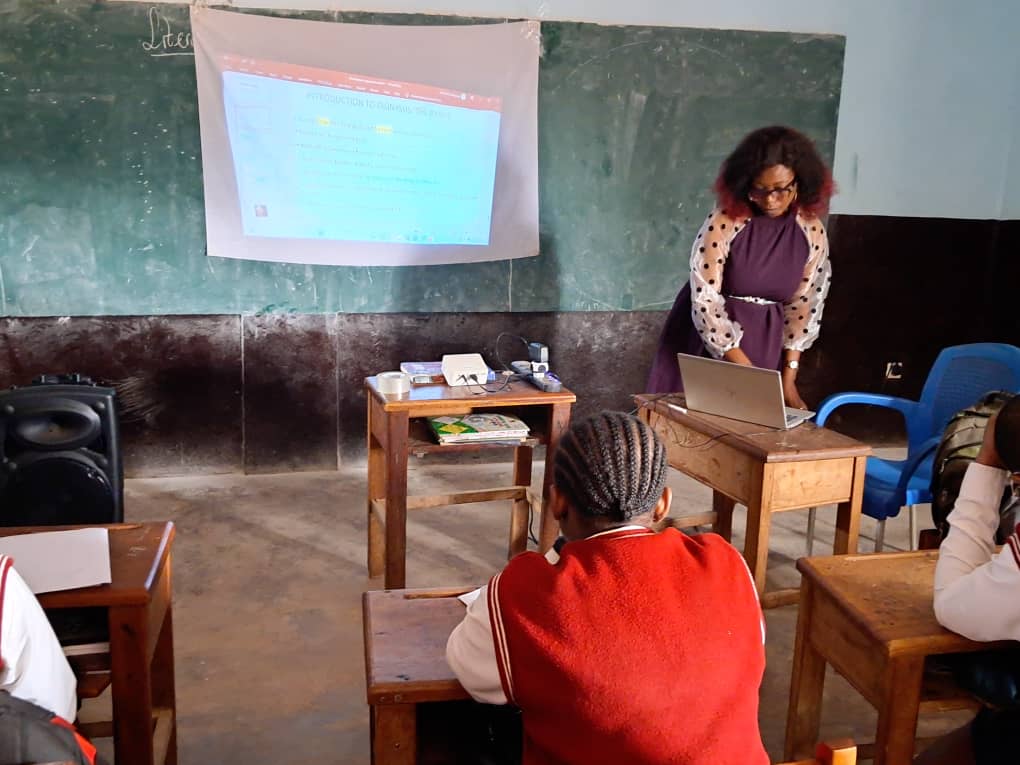

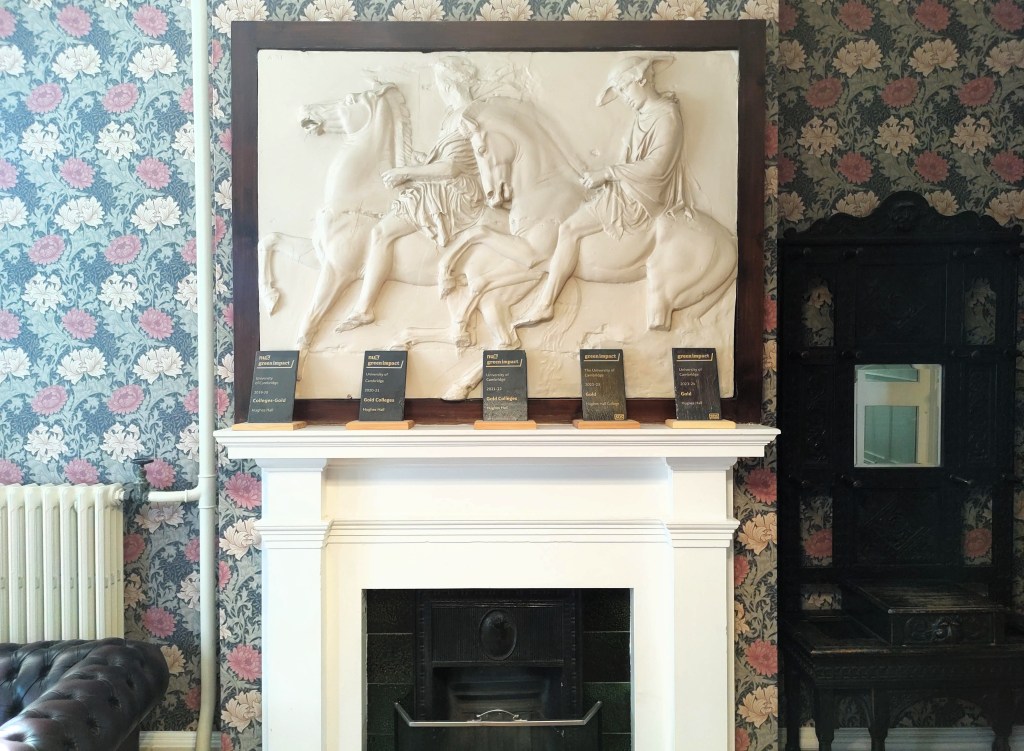

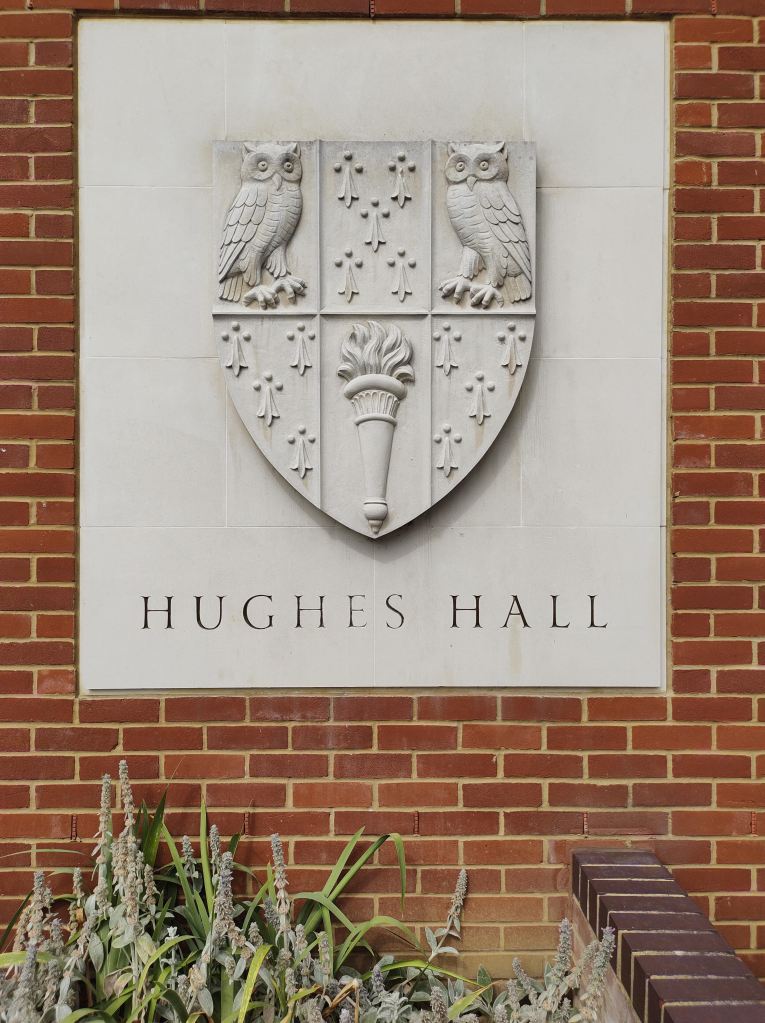

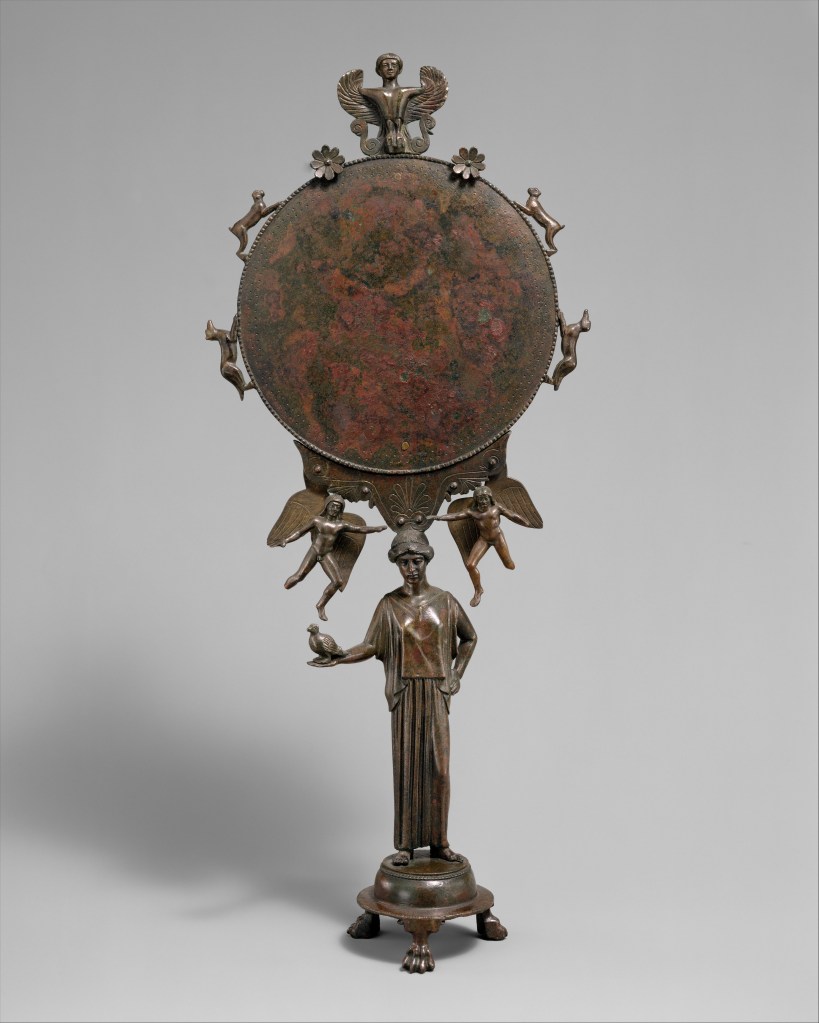


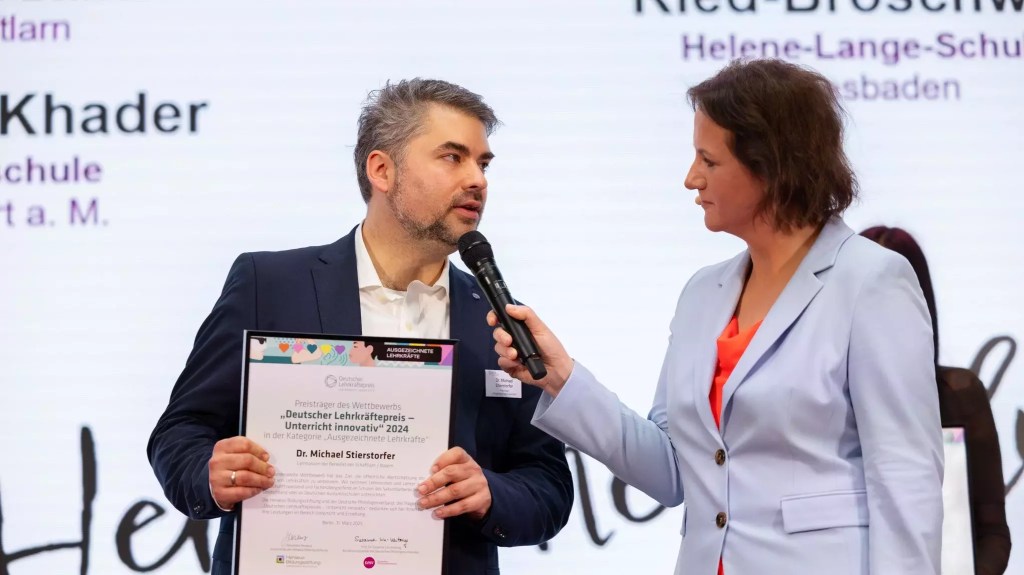
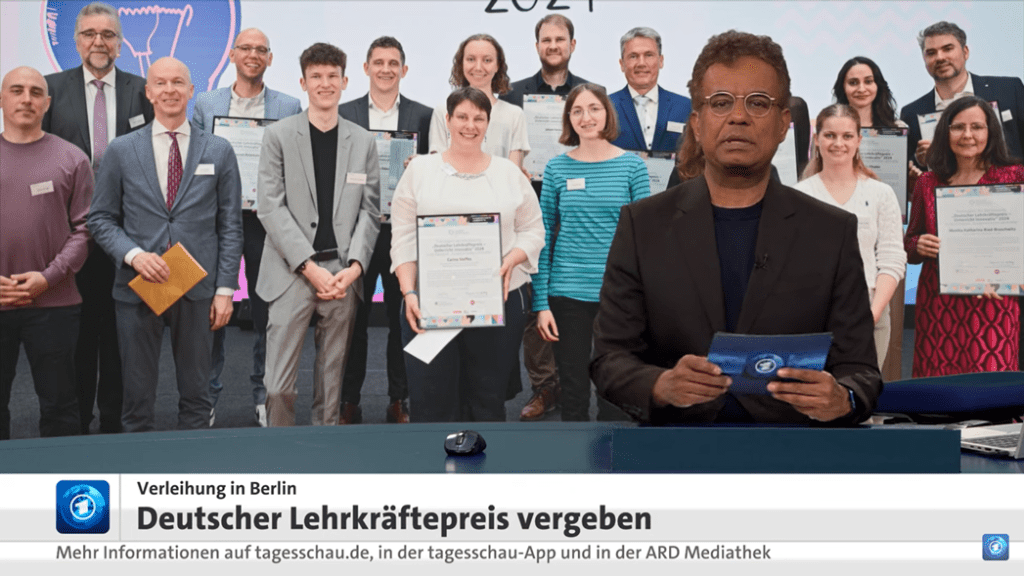


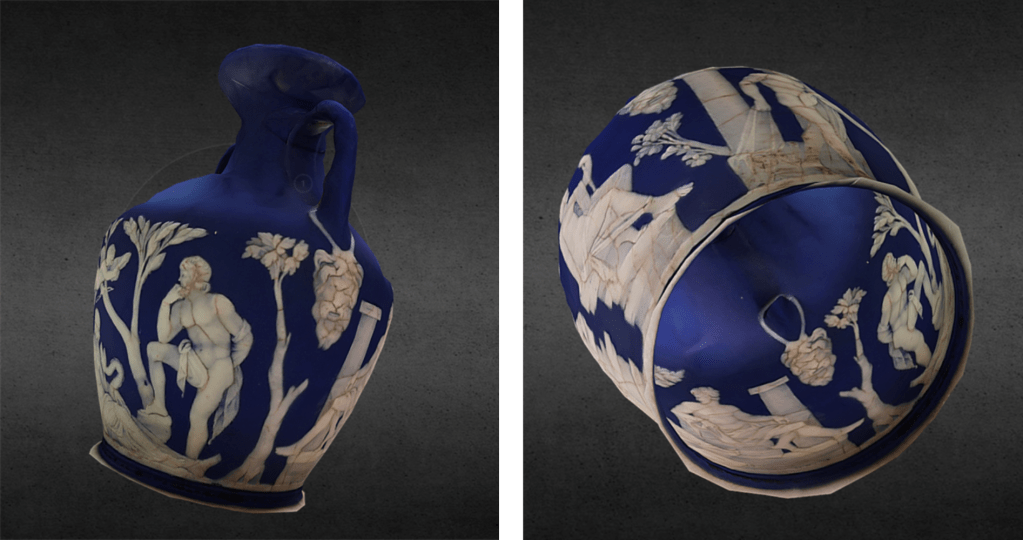


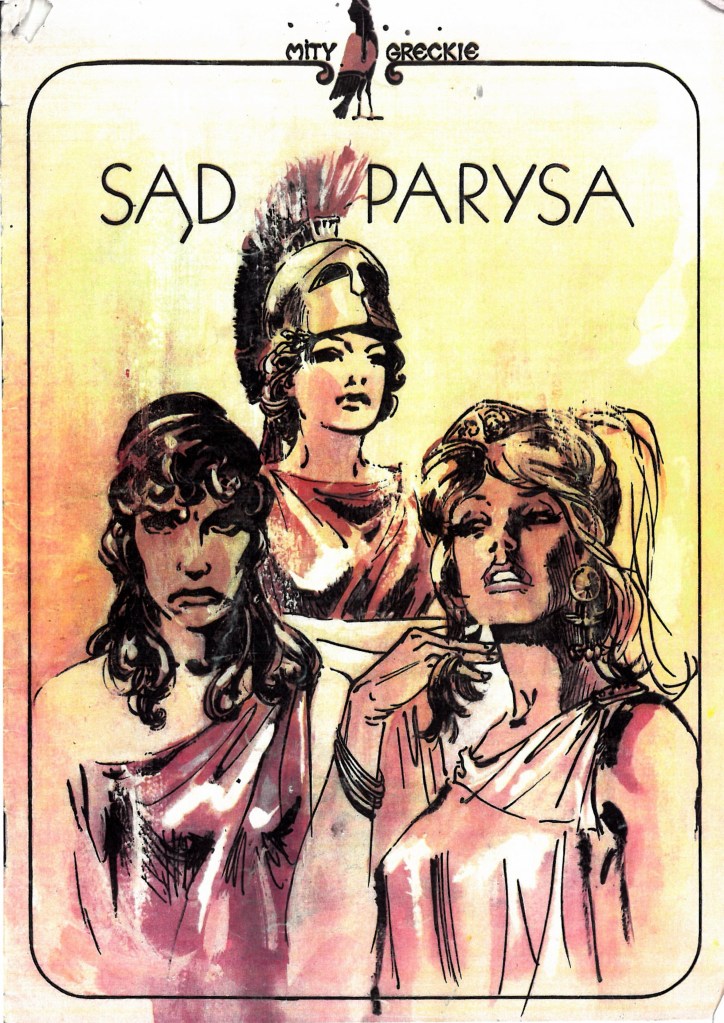


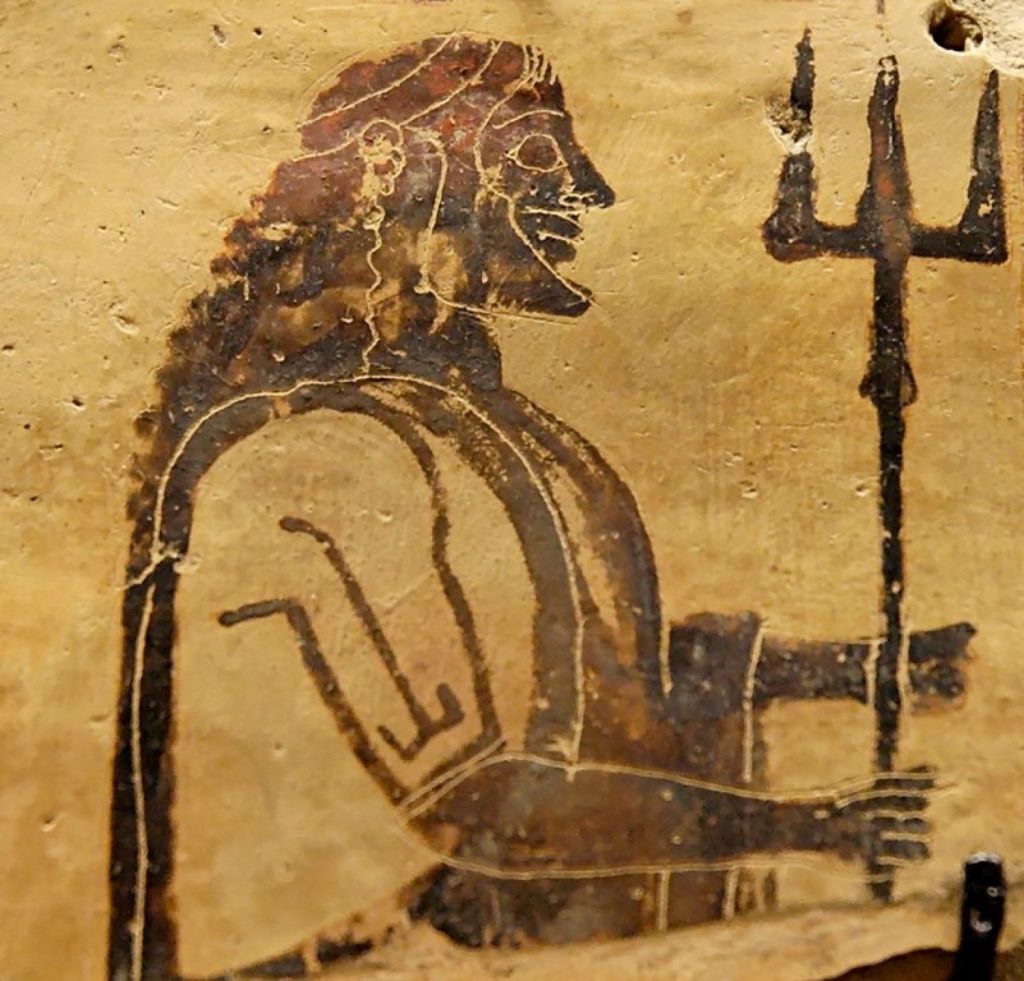


 Our Mythical Childhood Blog